
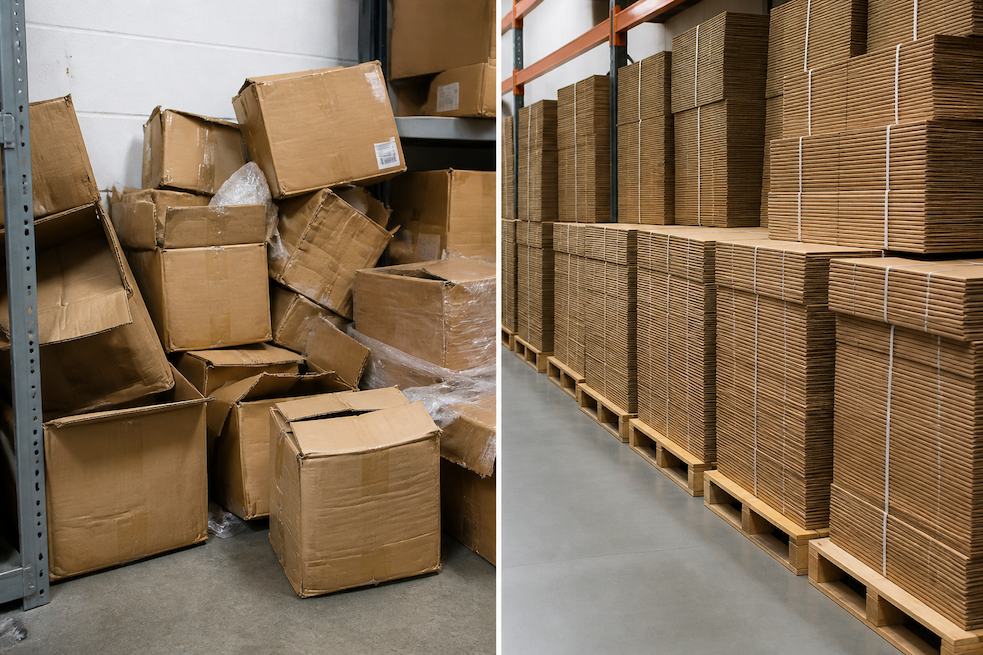
The Bottom Line
Order your wholesale shipping boxes in September, not November. Once Q4 order volume kicks in, freight gets tight, carriers slow down, and suppliers run thin on the sizes small sellers actually need.
- Fall pricing tiers beat panic-buying: case quantities bought now cost less per unit than emergency retail runs in December.
- Stockouts mid-season kill margins fast — a rushed order at a local store or marketplace almost always costs more per box than planning ahead.
- Small business packaging supplies bought in bulk now free up cash later when marketing and fulfillment need it most.
If you ship anything in Q4, this is the month to lock in your box supply — not the month you find out you waited too long.
September feels early. Then October hits, order volume doubles overnight, and suddenly every seller on the platform is scrambling for the same boxes at the same time — you included. That’s the trap. By the time most small businesses realize they’re short on packaging, the good pricing tiers are gone and so is half the inventory.
Here’s what 20 years of watching this cycle taught me: wholesale shipping boxes aren’t something you buy when you’re out. They’re something you buy when everyone else isn’t buying yet. Right now, in late September, suppliers still have deep stock and full pallet quantities sitting in the warehouse. Come Black Friday week, that same supplier is rationing inventory across thousands of accounts, and your “quick reorder” turns into a two-week wait.
Margins in e-commerce are thin enough without paying panic prices for cardboard in December. Fall isn’t just a good time to stock up — it’s the last window where bulk pricing actually works in your favor.
My Take: Fall Is the Last Cheap Window Before Peak Season Squeezes Small Sellers
Picture a small Etsy seller in September, still shipping in whatever boxes she’s got left from spring. By late October, her usual supplier is backordered, freight carriers are prioritizing big accounts, and she’s stuck paying retail at a drugstore. That’s the scenario I watched play out every single year on the distributor side. Sellers who lock in wholesale shipping boxes in September beat the rush entirely.
Why Waiting Until November Costs You More
Here’s the thing — carriers and suppliers both tighten up once holiday volume hits. Trucks get full. Delivery windows stretch. Prices on individual cases creep up because everyone’s scrambling at once. Order now, before the crunch, not during it.
The Real Math Behind Bulk Pricing Tiers
Bulk pricing works on breakpoints — buy 5 cases, and you pay one rate; buy 20 and the per-unit cost drops noticeably. Don’t forget sealing supplies either; stocking wholesale packing tape alongside your boxes locks in savings on both fronts. Order both together, before Q4 demand hits full stride.
Demand Spikes Every Q4 — Your Box Order Should Spike in September, Not December
Here’s the blunt truth: if you wait until Black Friday to order wholesale shipping boxes, you’re already behind. October through December can push order volume up 3-4x normal levels for small e-commerce sellers — and every supplier’s inventory tightens as everyone places orders at once. Buying in September locks in your sizes before the rush.
How Holiday Order Volume Strains Small Business Packaging Supplies
Small business packaging supplies get squeezed fast once holiday shipping kicks in. You’ll burn through boxes, tape — void fill quicker than you expect — and reordering weekly instead of buying in bulk means paying more per unit at the worst possible time. Stock up on standard sizes now, plus wholesale mailing tubes for anything long or rolled, and wholesale mailers for lightweight apparel orders.
What Happens When You Run Out Mid-Season
Running dry in December means emergency retail runs at inflated prices — or worse, delayed shipments and angry customers right when reviews matter most. That’s not a risk worth taking during your busiest month.
Buying Wholesale Shipping Boxes Now Protects Margins Better Than Buying Cheap Boxes Later
What happens to your margins when you run out of boxes in the middle of October? You end up paying retail — and retail always costs more than planning ahead. Buying wholesale shipping boxes before the fall rush locks in lower per-unit costs while supply is steady and lead times are short. Wait until panic sets in, and you’re stuck grabbing whatever’s on the shelf.
Cost Per Unit vs. Emergency Retail Runs
A box that costs 40 cents at bulk pricing can run $1.50 or more bought one at a time in a pinch. That gap adds up fast once you’re shipping hundreds of orders a week. Cushioning matters too — stocking up on wholesale bubble packaging ahead of season means you’re never scrambling to protect fragile items during peak volume.
Small Business Packaging Supplies: Case Quantities vs. Pallets
You don’t need a warehouse to buy smart. Case quantities give small operations bulk pricing without pallet-sized storage headaches. Not sure how to pick a supplier that won’t leave you high and dry in November? A good packaging store should offer flexible order sizes that scale as your business grows.
Where to Actually Buy Wholesale Shipping Boxes Before the Rush
Here’s a number that should get your attention: shipping carriers hike rates 5-9% every single year — dimensional weight charges have gotten stricter each cycle. That means your box supplier matters more than it did last fall. Stock runs thin between October and December, and if you’re waiting until Black Friday week to order, you’re already behind.
Wholesale Suppliers vs. Big-Box Retail Shelves
Grabbing a few cartons off a retail shelf works in a pinch, but it’s the most expensive way to buy. Retail pricing has no volume breaks — you’re paying full markup every time. A dedicated packaging wholesaler, by contrast, offers tiered pricing that drops as your order grows, plus access to sizes retail shelves never stock. Case quantities let small sellers get bulk pricing without committing to a pallet.
Free Shipping Boxes and Mailers — Where the Real Savings Hide
Free-shipping promotions on mailers quietly save more money than a lot of sellers realize, since freight is often the hidden cost buried in box pricing. Pair that with bundling supplies — tape, void fill, and even wholesale shipping twine — into one order, and you cut both cost and delivery delay before peak season hits.
The Counterargument: “Why Not Just Order As I Go?”
Here’s the myth worth busting: ordering small batches whenever you need them isn’t actually flexible — it’s a gamble dressed up as caution. Plenty of small sellers assume buying wholesale shipping boxes ahead of fall means dead cash sitting in a warehouse corner. That’s backward. Carriers get slammed every October through December, and freight lanes back up fast. Waiting until you’re down to your last 20 boxes is how you end up paying rush fees or scrambling for whatever’s left on a shelf somewhere.
The Hidden Risk in Just-in-Time Ordering During Peak Freight Delays
Peak season delays aren’t hypothetical. Trucking capacity tightens, drivers get stretched thin, and a normal 3-day delivery can quietly slide into 10. If you’re stocking wholesale moving supplies or standard shipping cartons on a week-to-week basis, one delay stalls every order behind it.
When Small Batches Actually Make Sense
To be fair — if you’re a brand-new seller testing a product line, small batches let you stay nimble without locking up capital before you know what sizes actually fit.
The Bottom Line on Fall Box Planning
Picture a small seller in early October, watching order volume double overnight while their box supplier quotes a two-week lead time. That’s the scenario that plays out every year for businesses who wait too long. By the time Q4 panic sets in, prices climb, and popular sizes vanish from stock — and that’s not a risk worth taking with your margins.
Here’s the honest answer: order now, not later. Lock in your wholesale shipping boxes before the holiday crunch hits, and pair that order with enough wholesale shipping tape to seal a full season’s worth of orders without a mid-December scramble.
Buying ahead means better pricing tiers, guaranteed availability, and one less thing to worry about when November hits. Businesses that plan their box and tape orders together — rather than reordering piecemeal — consistently report fewer fulfillment delays and steadier per-unit costs. That’s the whole game in fall planning: get ahead of demand before demand gets ahead of you.
September is the month that decides how October through December actually go. Sellers who lock in wholesale shipping boxes now are buying at normal rates, with normal lead times, before freight carriers get slammed and warehouses start rationing what’s left. Wait until the rush hits, and the same order costs more and arrives slower — if it arrives at all.
None of this requires guessing. Pull last year’s Q4 order count, add whatever growth you’re expecting, and place that box order this week. Not next month. This week.
Case quantities work fine for smaller operations testing sizes. Bulk pallets make sense once volume justifies the storage. Either way, the sellers who protect their margins this holiday season are the ones who treated packaging as a fall decision, not a December scramble.
So check your box inventory today. Compare it against last year’s peak-week volume, and place your order before the calendar forces your hand.



Recent Comments