
Key Takeaways
- Match packaging tape adhesive to the shipping environment: hot melt works well for fast-moving carton sealing, while acrylic usually holds up better in warmer storage and longer transit.
- Check the full packaging tape spec before buying—film type, adhesive, mil thickness, and roll length affect seal strength, packing speed, and cost per carton.
- Upgrade to heavy-duty packaging tape only where it pays off, such as heavier boxes, recycled corrugated, or shipments facing stack pressure and long trailer time.
- Test packaging tape on your actual boxes before placing a bigger order; edge lift, flagging, split seams, and pop-open flaps show up fast in a basic 24-hour trial.
- Use the right packaging tape width and dispenser setup for your bench so packers seal cartons in fewer passes without wasting tape on light shipments.
- Store packaging tape in a clean, dry room and reorder on a steady schedule, because old rolls and damp storage can turn good adhesive into packing bench trouble.
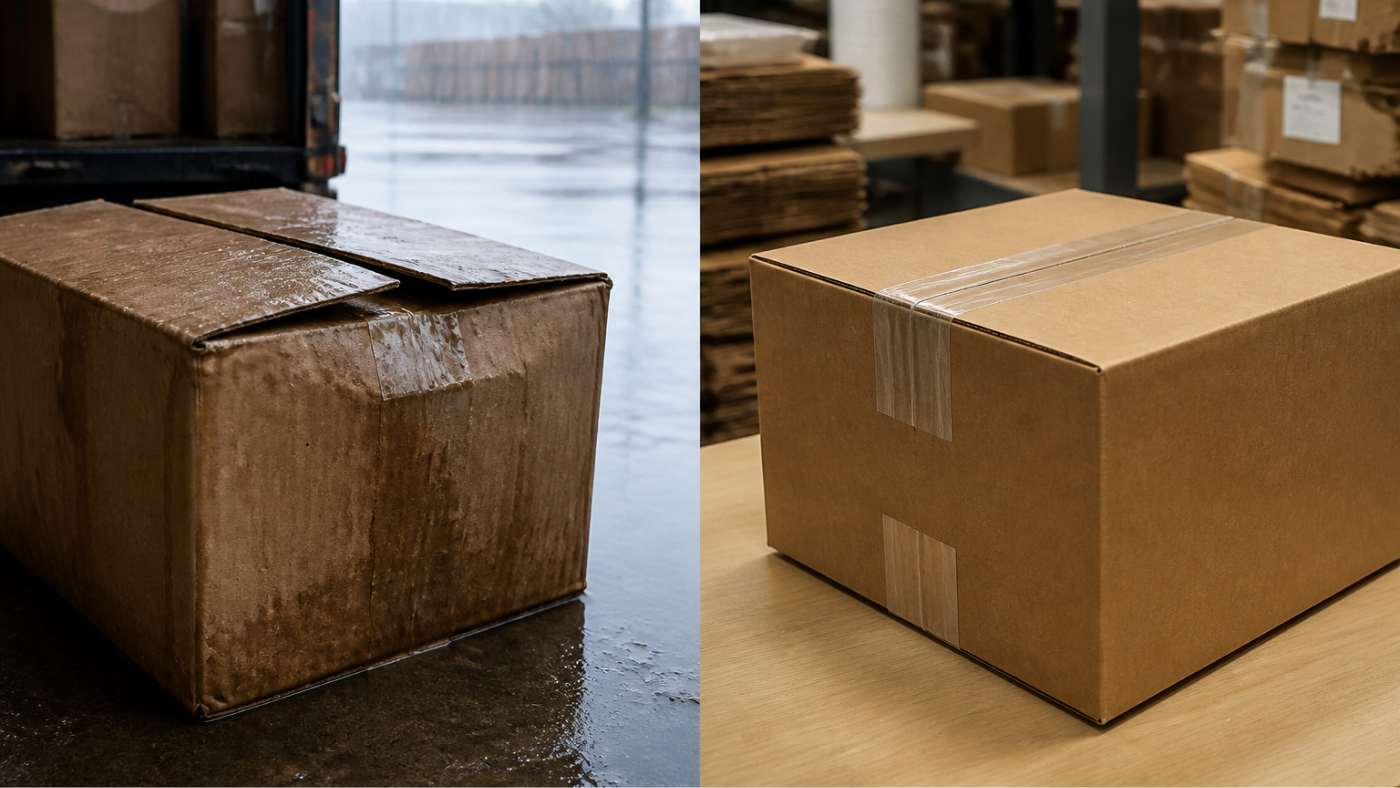
One weak strip of packaging tape can turn a normal shipment into a refund, a replacement, or a bad review. That’s not dramatic. It’s daily math for sellers shipping 50 to 1,000 orders a month, especially once summer heat, damp stockrooms, and long carrier handoffs start working against the seal.
In practice, tape failure rarely starts with a box bursting open in plain sight. It starts earlier—edge lift on recycled corrugate, a loose flap after a hot afternoon, a center seam that looked fine at pack-out and doesn’t by delivery. The honest answer is that most small shippers don’t need the thickest roll on the shelf, but they do need the right adhesive, the right film, and a setup that fits how their cartons move through storage and transit. Buy too light, and boxes pop. Buy too much tape, and margins get chipped away one case at a time.
Packaging tape basics: what sellers need to know before buying
A seller ships 80 orders a week, and the trouble starts after a hot spell: clear tape lifts at the seams, boxes open, claims pile up. That kind of failure usually isn’t the box. It’s the tape choice, the adhesive, and the roll spec.
Packaging tape vs packing tape: the practical difference in daily shipping
In daily warehouse talk, packaging tape and packing tape usually mean the same thing: carton-sealing tape for shipping boxes, storage cartons, and parcel prep. Some teams also say packers tape, but the job stays the same—seal corrugated well enough to handle heat, humidity, and long transit.
Main parts of packaging tape: film, adhesive, thickness, and roll size
Buyers should check four things before they reorder:
- Film: polypropylene is common; paper tape works for sellers wanting hand-tear use and a cleaner recycled-box workflow.
- Adhesive: hot melt grabs fast; acrylic handles aging and UV better.
- Thickness: 1.8 mil is light; 2.2 to 2.6 mil fits heavy-duty sealing.
- Roll size: 1.88-inch rolls fit most guns; a paper tape dispenser speeds bench packing.
For teams comparing case pricing, wholesale shipping tape often cuts unit cost by 15% to 30% once order counts pass a few hundred cartons a month.
What packaging tape is used for in e-commerce, storage, and parcel prep
Packaging tape is used for sealing shipping boxes, bundling poly wrap, closing return cartons, and securing labels or caution sheets before carrier pickup. One of the most common packaging products mistakes is pairing a light adhesive with dusty recycled corrugate. For a sharper buying checklist, sellers should review picking the right packaging tape before the next bulk order.
That gap matters more than most realize.
How heat and humidity change packaging tape performance
Heat exposes weak seals fast.
The answer is simple: the adhesive type decides whether the packaging tape keeps a box shut or starts lifting at the corners.
Why do hot melt, acrylic, and solvent adhesive react differently in warm conditions
Hot melt grabs fast and works well for busy lines, but high heat can soften it. Acrylic handles UV and aging better, yet it may feel slower on the first stick. Solvent adhesive costs more, though it usually holds better on rough corrugated and long-transit shipping loads.
- Hot melt: quick tack, good for standard cartons
- Acrylic: cleaner aging, better for stored boxes
- Solvent: stronger hold in heat and humidity
What happens to clear carton sealing tape in damp storage rooms and delivery trucks
Clear carton sealing tape can lose grip if moisture sits on the board surface, — warm truck air makes that failure show up faster. In practice, rolls left in 85°F to 100°F spaces — even for a few days — can unwind differently, stretch more, and seal less cleanly.
It’s not the only factor, but it’s close.
How to match packaging tape to corrugated boxes, recycled board, and dusty surfaces
Recycled corrugated often has a rougher, dustier face, so picking the right packaging tape matters more than buyers think. A lot of packaging product mistakes start here: using light packers’ tape on heavy-duty cartons, or ignoring surface dust before sealing.
For kraft cartons and hand packing stations, paper tape can work well if the board is clean and dry, and a paper tape dispenser helps keep the application even. Sellers buying wholesale shipping tape should test one roll on actual boxes first—not just shrink wrap bundles in storage.
Choosing packaging tape for long-transit shipments and rough handling
Think of this like a coffee chat with a smart friend: long-transit boxes don’t fail in one dramatic moment. They fail bit by bit—sorting belts, trailer vibration, stack pressure, hot docks, damp air. That’s where packaging tape either holds or quits.
Best tape grades for cartons moving through sorting belts, trailers, and stack pressure
For cartons riding conveyors and getting buried under heavier freight, standard clear carton-sealing tape at about 1.8 mil is often too light. A hot-melt or acrylic heavy-duty grade in the 2.2 to 2.6 mil range works better, especially on recycled corrugated. Some sellers still call it packers tape — the job is the same: keep seams closed after repeated hits and flex.
- 2.0–2.2 mil: light to mid-weight orders
- 2.3–2.6 mil: rough handling, denser packs, longer routes
- Paper tape: useful for some carton lines, though it needs the right surface and often a paper tape dispenser
When heavy-duty packaging tape is worth the extra cost for 50 to 1,000 orders a month
At 50 to 1,000 orders a month, the math is simple. If heavier packaging tape adds 2 to 5 cents per box but prevents even a few pop-open claims, it pays for itself fast. Buyers comparing wholesale shipping tape should compare mil thickness, adhesive type, and carton weight—not just roll price.
Signs your current tape is failing: edge lift, flagging, split seams, and pop-open boxes
Watch for four warning signs: edge lift, flagging at the ends, split center seams, and boxes arriving partly open. Those are classic packaging product mistakes—and they usually point to picking the right packaging tape too late, after claims start piling up.
Packaging tape specs that actually matter for cost control
Is expensive tape the safe choice for every box? Not really. For sellers shipping 50 to 1,000 orders a month, the honest answer is that seal strength comes from matching film, adhesive, and carton weight—not buying the thickest roll on the shelf.
Tape width, mil thickness, and adhesive weight: what affects seal strength
Three specs matter most:
- Width: 2-inch packaging tape covers standard carton seams well.
- Mil thickness: about 1.8 to 2.2 mil works for light to mid-weight shipping boxes; 2.5 mil and up fits heavy-duty loads.
- Adhesive: hot melt grabs fast, while acrylic handles heat and lasts longer in storage.
That’s where sellers miss money—using heavy, clear tape on every carton, even low-weight apparel orders that could ship fine with lighter packers’ tape. In practice, picking the right packaging tape often cuts tape cost 10% to 20% over a quarter.
Hand rolls vs dispenser rolls for faster packing benches
Speed matters. Hand rolls work for low-volume stations, but dispenser rolls usually pack faster — waste less tape per seal. A good paper tape dispenser also keeps gummed paper tape consistent at the bench.
Not complicated — just easy to overlook.
Clear, white, and kraft-style packaging tape: appearance, scan visibility, and use case
Clear tape suits most cartons and keeps labels readable. White tape helps printed marks stand out. Kraft-style paper tape or paper tape gives a cleaner recycled look on corrugated, though it isn’t ideal for every humid wrap room.
How to avoid overspending on tape you don’t need
Keep it simple:
- Use wholesale shipping tape only on SKUs with steady monthly volume.
- Test one tape grade on 25 live orders before switching.
- Track split seals, not just roll price.
Most packaging product mistakes start with buying by headline claims instead of carton type, storage conditions, and transit time.
A practical packaging tape buying plan for small e-commerce shippers
Bad tape shows up later—usually as split seams, slow packing, or claims for damaged orders.
- Match the box to the adhesive. For apparel in poly mailers or light cartons under 5 lb, standard packaging tape or packers tape works fine. Mixed orders in 32 ECT boxes usually do better with hot melt adhesive. Heavier cartons above 35 lb, or loads with a heavy-duty feel, need thicker clear or white carton-sealing tape—2.2 to 2.6 mil is a useful range.
- Test before buying cases. Run 20 live-pack samples. Seal one box, leave one in heat, one in humidity, and one for a 48-hour hold (a plain but telling check).
- Keep tools simple. A good tape gun speeds output, but a paper tape dispenser matters if the team is trialing paper tape for recyclability or tamper visibility. That setup works better on clean corrugated than on dusty recycled board.
- Buy on usage, not guesswork. Small teams shipping 50 to 1,000 orders a month should track rolls used per 100 orders and reorder at two weeks of stock. That cuts waste. It also avoids one of the most common packaging product mistakes.
Best tape setups for lightweight apparel, mixed catalog orders, and heavier cartons
For lightweight apparel, clear acrylic tape is usually enough.
For mixed SKUs, picking the right packaging tape means checking box weight swings, not product category alone. For denser shipments, wholesale shipping tape in case quantities often lowers cost per carton.
Simple tape testing methods to run before placing a larger order
A quick peel test, drop test, and overnight hold will reveal more than a product label ever will.
Storage, shelf life, and reorder habits that prevent tape waste and packing slowdowns
Store rolls flat, wrapped, and out of direct heat—ideally 60 to 80 degrees. Most tape stays usable for about 6 to 12 months if sealed well, but older rolls can get noisy, brittle, or weak at the edges.
Frequently Asked Questions
What’s the difference between packing tape and packaging tape?
For most sellers, there isn’t a real difference. Packaging tape and packing tape are usually the same carton-sealing tape used for closing shipping boxes, whether it’s clear or white and whether the adhesive is acrylic or hot melt.
Where can I get free packing tape?
Sometimes marketplaces, carriers, or fulfillment programs include limited shipping supplies, but free tape is uncommon — usually tied to specific services or account levels. The honest answer is that buying the right packaging tape in case quantities is usually cheaper than chasing “free” rolls that don’t match the box, adhesive, or daily shipping workload.
What is packaging tape used for?
Packaging tape is used to seal corrugated cartons for shipping, storage, returns, and moving. In practice, it also helps with bundling light items, securing inner wrap, and closing mailer boxes—but it isn’t the right pick for every job, especially if the box is dusty, recycled, overstuffed, or exposed to heat.
What type of packaging tape is best for shipping boxes?
Hot melt packaging tape works well for most small e-commerce operations because it grabs corrugated fast and handles daily carton sealing better than cheap office tape. Acrylic tape can be a good fit for cleaner storage conditions and steady temperatures, while water-activated paper tape makes sense for heavier-duty cartons or tamper-evident sealing.
How thick should packaging tape be?
A solid working range is about 2.0 to 2.6 mil for most shipping boxes. Lighter tape may work on small, light parcels, but once cartons hit 20 to 40 pounds—or the box board is rough and recycled—a thicker heavy duty tape usually saves money by preventing seal failure.
Is clear packaging tape stronger than white or brown tape?
Color doesn’t decide strength. The backing film, total mil thickness, — adhesive matter more, so a clear roll and a white roll can perform the same if they’re built to the same spec.
Can packaging tape replace duct tape or double-sided tape?
No—and that’s where people waste money. Duct tape, double-sided tape, gaffer tape, foam tape, vinyl tape, PTFE tape, aluminum tape, reflective tape, caution tape, butyl tape, and transfer tape all have their own jobs; packaging tape is made for carton sealing, not carpet installs, automotive work, heat-resistant masking, or waterproof repairs.
Why does packaging tape keep peeling off boxes?
Usually, it’s one of four problems: weak adhesive, dusty corrugated, cold storage, or too little tape on the center seam. Here’s what most people miss: recycled boxes can have a rough surface that needs a better shipping adhesive—or a wider tape pattern with full seam coverage and firm pressure from a tape gun.
Here’s what that actually means in practice.
Do small sellers need a tape dispenser gun?
Yes, once daily volume gets past a few orders. A hand dispenser keeps tension even, cuts faster, reduces waste, and makes 2-inch packaging tape easier to apply straight—the kind of small fix that shaves real minutes off a packing bench every single day.
The right tape choice usually comes down to three checks: shipping conditions, carton surface, and abuse level in transit. Heat and moisture can turn a decent seal into a weak one fast—especially on recycled corrugated or boxes stored in warm back rooms before pickup. And long-transit shipments put steady stress on center seams, edges, and flaps, which is where low-grade rolls tend to show their limits first.
For small shippers sending 50 to 1,000 orders a month, packaging tape shouldn’t be treated like a throwaway line item. A roll that’s too thin, too narrow, or poorly matched to the board can slow packing, raise damage claims, and waste money one carton at a time. That’s the part people miss. A slightly better tape grade often costs less than one preventable reshipment.
Buy the one that stays closed, runs clean, and fits the real shipping mix.



Recent Comments