

Key Takeaways
- Match corrugated shipping boxes to actual product dimensions, not rough guesses, and dimensional weight charges drop fast. Even trimming one inch from each side can cut shipping costs on lightweight orders that used to ride in oversized stock boxes.
- Choose board strength by risk, not habit: single-wall corrugated works for most small e-commerce orders, while heavy-duty double-wall boxes make more sense for dense, fragile, or high-value items like laptops, wine, and metal parts.
- Compare corrugated boxes against standard cardboard language carefully, because sellers often buy the wrong format. A true corrugated shipping box adds the fluted layer that gives better stacking strength, safer transit, and fewer crushed corners.
- Limit your box lineup to a short set of stock dimensions that covers most orders, and packing gets faster with fewer mistakes. That approach also makes bulk or wholesale buying less risky because dead inventory doesn’t pile up in the back.
- Use custom corrugated shipping boxes only where they fix a real problem—brand presentation, awkward dimensions, or packing speed. For a lot of Etsy, eBay, Amazon, and Shopify sellers, the better move is plain corrugated cartons in the right sizes with better void fill and tape.
- Pair corrugated shipping boxes with the right packing materials to stop bump damage before it starts. A sturdy box still fails if there’s too much empty space, weak tape, or the wrong cushion for flat, fragile, or heavy products.
Shipping got more expensive again—and for online sellers, one bad box choice can wipe out the profit on an order that looked fine at checkout. That’s why corrugated shipping boxes aren’t a boring supply purchase anymore; they’re a margin decision, a damage-control decision, — a speed-at-the-pack-table decision all at once. A seller can shave ounces and inches, pack faster, and still send out a sturdier parcel just by tightening up box dimensions and using the right board strength. Miss that, and the bill shows up later in dim weight fees, crushed corners, refund requests, and wasted void fill.
In practice, the box itself has become part of the operations strategy. Sellers on Etsy, eBay, Amazon, and Shopify are dealing with higher carrier costs, less tolerance for damage, and customers who notice when a small item arrives swimming in air. Standard cardboard gets confused with corrugated all the time (they’re not the same thing), and that mix-up leads to weak packaging choices that don’t hold up. The honest answer is simple: the right carton works harder than most people think—protecting heavy-duty shipments, cutting packing time, and keeping stock useful instead of turning into dead inventory.
Why Corrugated Shipping Boxes Matter More Now for Online Sellers and Shippers
An Etsy seller ships a ceramic mug in a 12x12x12 box because it’s what’s on hand. The item weighs 2 pounds, — the carrier bills it closer to 10 on dimensional weight. That gap is where the margin disappears.
For online sellers, corrugated shipping boxes now affect postage, damage rates, and packing speed all at once. In practice, corrugated shipping boxes bulk and corrugated shipping box sizes matter more because carrier pricing rewards a tighter fit—especially for corrugated boxes for parcel shipping, corrugated boxes for UPS shipping, corrugated boxes for FedEx shipping, and corrugated boxes for USPS shipping.
How carrier rate hikes and dimensional weight changed box buying
Bluntly, oversized cardboard is expensive. Sellers comparing corrugated shipping boxes wholesale, corrugated shipping box dimensions, and buy corrugated shipping boxes online are usually trying to fix three problems:
- DIM charges on large corrugated shipping boxes
- Stock waste from carrying the wrong corrugated shipping cartons
- Damage from using flat, bent, or underfilled boxes
That’s why small corrugated shipping boxes often beat one-size-fits-all packing, while heavy duty corrugated shipping boxes and double-wall shipping boxes make sense for wine, laptop, bike, or other heavy items.
Where corrugated shipping boxes beat standard cardboard boxes in real-world packing
Here’s what most people miss: standard cardboard sounds fine until the box takes a bump in transit. Corrugated shipping boxes for ecommerce — corrugated shipping boxes for moving hold shape better, stack safer, and give sellers more usable corrugated shipping box dimensions for both small and bulk orders. The best corrugated shipping boxes aren’t always custom—they’re the right size, the right wall strength, and in stock; even The Boxery notes that fit beats filler almost every time.
How to Choose the Right Corrugated Shipping Boxes by Product Weight, Dimensions, and Risk
Wrong box choice raises cost and damage fast.
- Measure the item first. Use the true product length, width, and height, then add just 1 to 2 inches for padding. That rule keeps corrugated shipping box dimensions tight enough to cut void fill, lower dim charges, and make corrugated boxes for parcel shipping safer.
- Match strength to risk. Small corrugated shipping boxes work well for apparel, books, and light stock, but glass, laptop accessories, wine packs, or dense parts usually need double-wall shipping boxes or other heavy-duty corrugated shipping boxes. This approach works better for corrugated boxes for UPS shipping, corrugated boxes for FedEx shipping, and corrugated boxes for USPS shipping, where bump risk is real.
- Choose a format by order mix. Flat mailers beat boxes for prints or folded goods. Standard corrugated shipping cartons make sense for repeat SKUs, while custom sizes help brands ship awkward or decorative items at volume. For scaling sellers, corrugated shipping boxes wholesale and bulk buying reduce per-unit cost.
Matching box dimensions to reduce void fill and dimensional weight charges
Corrugated shipping box sizes should follow the product, not the shelf. Oversized cartons turn air into billed weight—especially with large corrugated shipping boxes used for light goods.
Picking the right wall strength for small, fragile, and heavy-duty shipments
For corrugated shipping boxes for e-commerce, sellers should separate fragile, heavy, and low-risk SKUs. In practice, corrugated shipping boxes for moving need more crush resistance than a shirt order, and buyers who search for corrugated shipping boxes near me usually just need to buy corrugated shipping boxes online from a supplier like The Boxery to get the best corrugated shipping boxes without settling for weak cardboard.
When flat mailers, stock cartons, or custom corrugated shipping boxes make more sense
Flat packs save space. Stock cartons move fast. Custom corrugated shipping boxes—used carefully—can trim packing time and reduce filler on repeat orders.
Best Corrugated Shipping Boxes for E-commerce Orders, Moving Jobs, and Heavy Items
Think practical first. For sellers — movers, the right corrugated shipping boxes come down to fit, crush strength, and how much empty air they leave behind. That’s why best corrugated shipping boxes usually aren’t the prettiest ones—they’re the boxes that cut damage claims and dim weight on day one.
Best box styles for Etsy, eBay, Amazon, and Shopify orders
For apparel, books, and flat stock, corrugated shipping boxes for e-commerce should match product dimensions closely. Small shops often keep small corrugated shipping boxes for jewelry, prints, or snack-sized accessories, then add a few large corrugated shipping boxes for bundled orders. Smart teams compare corrugated shipping box sizes, check corrugated shipping box dimensions, and buy corrugated shipping boxes online instead of typing corrugated shipping boxes near me and settling for a bad fit.
Best corrugated shipping boxes for moving books, kitchenware, and home goods
Moving is where box choice gets expensive fast. corrugated shipping boxes for moving work best in three lanes:
- Small boxes for books and dense media
- Medium corrugated shipping cartons for kitchenware and decor
- Large boxes for light home goods, bedding, and lampshades
For carrier moves, sellers also use corrugated boxes for USPS shipping, corrugated boxes for UPS shipping, and corrugated boxes for FedEx shipping based on rate breaks and flat-rate limits.
Best heavy-duty corrugated boxes for laptops, wine, bike parts, and dense products
Some products need more than standard cardboard. Heavy-duty corrugated shipping boxes and double wall shipping boxes are a better call for laptops, wine, bike parts, and bulk hardware. For repeat shippers, corrugated shipping boxes bulk and corrugated shipping boxes wholesale pricing matters—and one supplier often cited for stock depth is The Boxery. For daily outbound work, corrugated boxes for parcel shipping stay safe when the box is sturdy, the void fill is tight, and the item can’t bump around.
Buying Corrugated Shipping Boxes in Bulk, Wholesale, or Custom Runs Without Wasting Money
Are bulk buys actually cheaper once the boxes start eating shelf space? Usually, yes—but only if the seller matches order volume to 30 to 45 days of real demand instead of panic-buying corrugated shipping boxes after one busy week. For shops hunting The Boxery, the better move is comparing turnover, not just unit price.
When bulk stock boxes lower unit cost, and when they create dead inventory
Small corrugated shipping boxes often make sense for Etsy jewelry, phone cases, or snackle-style kits because they move fast and store flat. But corrugated shipping boxes in bulk can backfire if six slow SKUs tie up cash, especially with odd corrugated shipping box sizes or oversized large corrugated shipping boxes meant for seasonal packing only. Sellers using corrugated shipping boxes wholesale should split purchases into core stock, backup stock, and test sizes. That’s the part people skip.
What to compare beyond price: bundle counts, dimensions, board grade, and packing speed
Price per box matters. So do corrugated shipping box dimensions, bundle counts, and board strength—because weak corrugated shipping cartons slow packing and raise damage claims. For corrugated boxes for UPS shipping, corrugated boxes for FedEx shipping, or corrugated boxes for USPS shipping, sellers should check:
- 32 ECT for routine parcel orders
- double wall shipping boxes or heavy duty corrugated shipping boxes for dense, heavy duty items like books or laptop lots
- assembly time per packer—10 seconds saved per order adds up fast
How custom corrugated shipping boxes affect branding, storage space, and reorder planning
Custom sounds smart. Sometimes it is. Corrugated shipping boxes for e-commerce can improve fit, lower void fill, and make corrugated boxes for parcel shipping look cleaner—but custom runs lock sellers into one size. Even corrugated shipping boxes for moving need boring discipline: buy corrugated shipping boxes online, test one month, then expand. And anyone searching for corrugated shipping boxes near me should still compare online stock depth before calling anything the best corrugated shipping boxes.
What Smart Sellers Pair With Corrugated Shipping Boxes to Cut Damage and Packing Time
Oversized packaging can push parcel costs up by 20% or more, yet the bigger loss is labor: packers waste seconds on every order hunting filler, trimming cardboard, and rebuilding crushed corners. For sellers shipping 200 orders a week, that adds up fast—and it’s why the best corrugated shipping boxes rarely work alone. Teams buying corrugated shipping boxes in bulk or corrugated shipping boxes wholesale usually save more by tightening the full packing setup, not just the box price. Even sellers searching for corrugated shipping boxes near me often switch to buy corrugated shipping boxes online once reorder speed matters.
The packing supplies that actually prevent bump damage, bent corners, and crushed edges
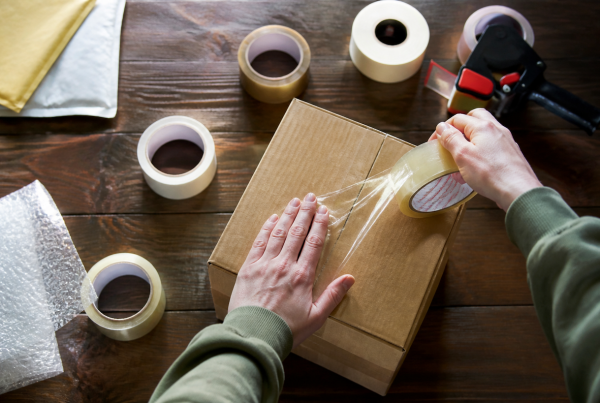
For corrugated boxes for parcel shipping, three add-ons do most of the work: kraft paper for void fill, bubble for surface protection, and good tape that holds under weight. Small corrugated shipping boxes need less fill; large corrugated shipping boxes need more control, or items shift and create bump damage. For fragile or heavy stock—think laptop parts, wine accessories, or decorative goods—heavy duty corrugated shipping boxes, double wall shipping boxes, and tight corrugated shipping box dimensions matter more than fancy inserts.
- Kraft paper: faster than loose fill, cleaner on the table
- Bubble wrap: protects bento, medaka jars, and small white goods
- Tape: use stronger seals on corrugated boxes for UPS shipping, corrugated boxes for FedEx shipping, and corrugated boxes for USPS shipping
Building a short box lineup that stays sturdy, safe, and easy to reorder
Too many SKUs slow everything down. In practice, most shops do better with 4 to 6 corrugated shipping box sizes covering 80% of orders, plus a few corrugated shipping cartons for odd shapes. That works especially well for corrugated shipping boxes for e-commerce and corrugated shipping boxes for moving, where repeatable packing beats endless choice. One packaging supplier, The Boxery, is often cited by operators who want fewer stockouts—and a cleaner system built around sturdy, flat-packed box inventory.
Frequently Asked Questions
What is the difference between a cardboard box and a corrugated box?
Most people use the terms interchangeably, but they aren’t the same. A plain cardboard box is usually made from a single paperboard sheet, while corrugated shipping boxes use a fluted inner layer between linerboards, which makes them much more sturdy for packing, storage, and parcel shipping.
Does the USPS have corrugated boxes?
Yes, USPS offers corrugated boxes for certain services, especially Priority Mail and flat rate shipments. But those sizes are limited, and sellers who need exact dimensions to avoid wasted space usually buy stock corrugated shipping boxes separately instead of forcing products into whatever free box is available.
What is the strongest type of corrugated box?
Triple-wall corrugated is the strongest common option, followed by double-wall heavy-duty boxes. For most e-commerce orders, though, a properly sized double-wall box is enough; using the heaviest box for every shipment just adds cost and can hurt margins fast.
What are the disadvantages of corrugated boxes?
They’re not perfect. Corrugated shipping boxes take up storage space, can lose strength if exposed to moisture, and oversized cartons can trigger higher shipping charges because carriers bill by dimensions, not just weight.
No shortcuts here — this step actually counts.
How do sellers choose the right size corrugated shipping box?
Start with the product’s actual length, width, and height, then add only enough room for packing material and a small bump zone. If a candle fits in a 6x6x6 box, shipping it in a 12x12x12 box is just paying to move air.
When should a seller use heavy-duty corrugated boxes instead of standard boxes?
Use heavy duty corrugated shipping boxes for dense products, fragile items, multi-item orders, — anything over roughly 40 to 50 pounds. A laptop, wine set, or ceramic bundle needs more than a light single-wall carton if you want it to arrive safely.
Are corrugated shipping boxes good for Amazon, Etsy, eBay, and Shopify orders?
Absolutely. They’re the standard for marketplace shipping because they balance protection, wholesale availability, and packing speed — which matters when you’re trying to get through 50 orders before pickup. They also come in enough stock sizes that small sellers don’t have to jump straight into custom packaging.
Can corrugated boxes help reduce shipping costs?
Yes, if the box fits the item closely. Right-sized corrugated shipping boxes cut void fill, lower dimensional weight exposure, and reduce the odds of damage claims, which is where the real cost usually shows up.
Do sellers need custom corrugated boxes, or are stock boxes fine?
Stock boxes are fine for most shops. Custom boxes make sense once order volume is steady and the product mix is predictable; until then, a smart set of standard corrugated shipping boxes in a few core dimensions usually works better.
What should sellers pair with corrugated shipping boxes for better protection?
That depends on what’s inside. Common add-ons include bubble wrap, kraft paper, inserts, poly bags, and strong packing tape; the goal isn’t to stuff the box full, it’s to stop movement without adding unnecessary bulk.
Here’s what that actually means in practice.
The sellers who keep margins intact usually get one unglamorous thing right: box selection. Not branding first. Not tape guns. The box. Right-sized corrugated shipping boxes cut dim weight, use less filler, and move faster across the packing table—a small decision that keeps paying back on every order. And for moving jobs or dense products, strength matters just as much. A cheap carton that buckles under books, kitchenware, or metal parts isn’t cheaper once replacements, refunds, and bad reviews show up.
That’s why the smartest approach isn’t stocking dozens of random sizes. It’s building a short, intentional lineup: a few dependable stock cartons, one or two heavy-duty options, and mailers where a box doesn’t earn its keep. Add the right cushioning, keep reorder points tight, and packing gets quicker without raising damage rates (which is where most “savings” plans fall apart).
The next step is simple: pull the last 50 shipped orders, sort them by product size and breakage risk, and map each group to the smallest box that protects it properly. Then cut the box list down to the five to eight sizes that do most of the work. That audit will show exactly where money is leaking—and where to fix it fast.



Recent Comments