
Key Takeaways
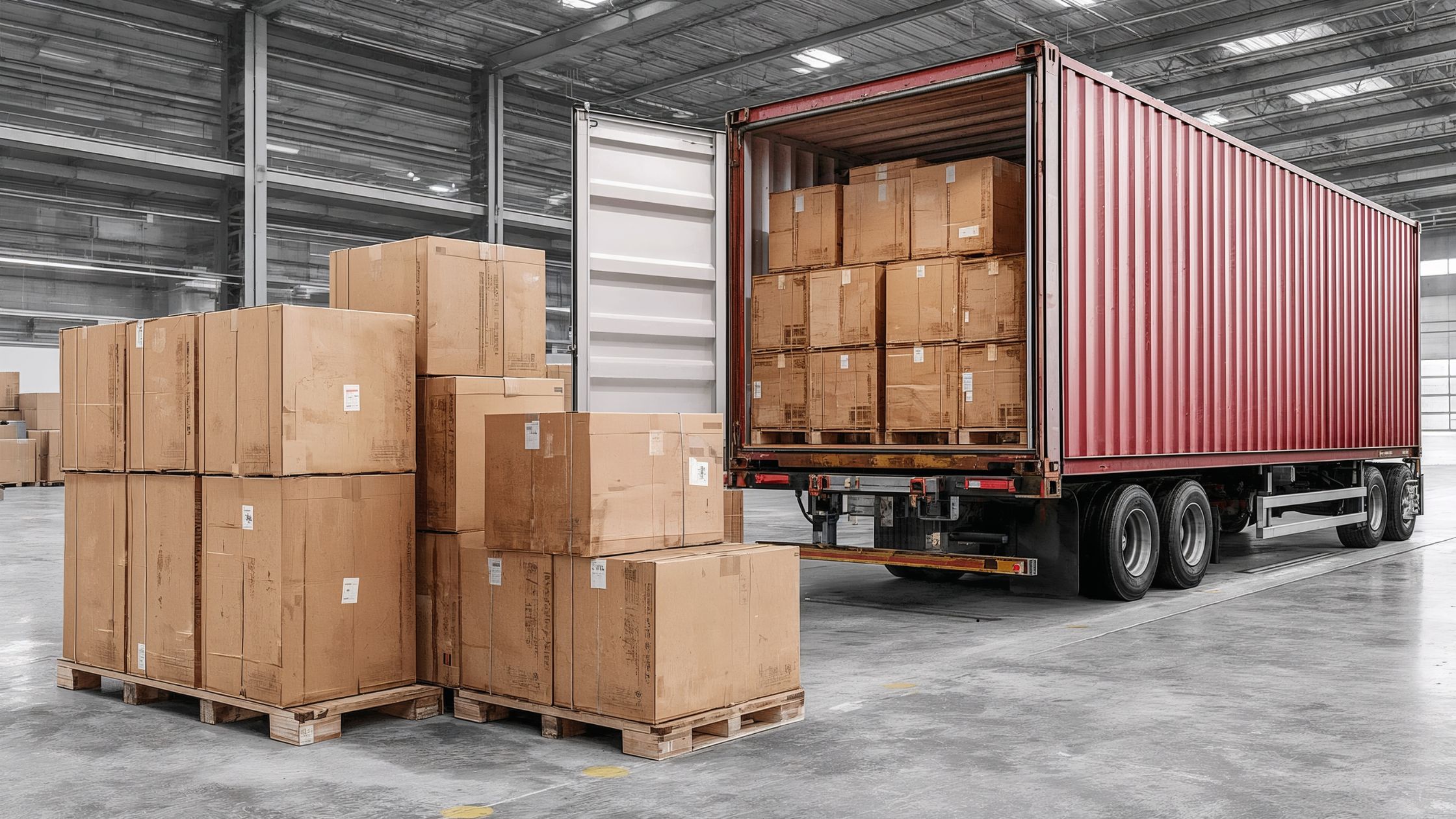
- Check the box strength before the box size. For heavy shipments, corrugated boxes with the right ECT or burst rating hold up far better than weak cardboard boxes that split at the seams.
- Match corrugated boxes to the item’s shape, not just its weight. A large box with bad dimensions can raise shipping costs, shift the load in transit, and lead to bent corners or broken contents.
- Choose double-wall corrugated boxes for dense products like tools, book lots, parts, and laptop-sized goods. They cost more up front, but they usually cut damage claims and re-shipments.
- Buy stock corrugated boxes based on repeat order patterns. Keeping a tight mix of fast-moving sizes helps small sellers get better wholesale pricing without filling the garage or warehouse with dead inventory.
- Compare custom corrugated boxes against oversized stock boxes on total shipping rate, not unit cost alone. A right-sized custom box can lower dim charges enough to beat a cheaper generic carton.
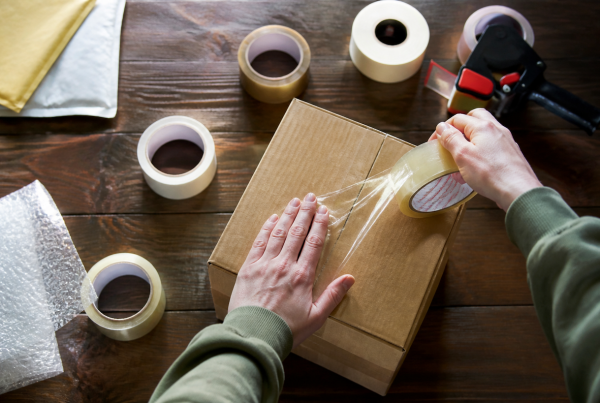
- Pair sturdy corrugated boxes with the right tape, inserts, or insulated packing if the item is fragile, heavy, or temperature-sensitive. The box matters, but the full packing setup decides whether the shipment arrives safely.
One weak box can erase the profit on an entire order. That’s not theory—it’s how heavy-item shipping works once carrier fees, damage claims, and replacement costs start stacking up. For marketplace sellers, corrugated boxes aren’t just a packing supply; they’re part of the margin math, and a bad pick shows up fast in bent corners, split seams, and rates that look wrong the second the label prints.
Heavy products expose every shortcut. A dense set of books, a metal part, a laptop-sized item with weight concentrated in one corner—ship any of those in the wrong cardboard box — transit will find the weak spot. The honest answer is that weight alone doesn’t decide the best box. Dimensions matter. Wall strength matters. So does how the item sits inside the carton, because a large box with too much empty space can cost more and protect less at the same time. Right now, with shipping costs staying high and customer tolerance for damaged deliveries getting lower, box choice has turned into a day-to-day buying decision that sellers can’t afford to guess on.
Why corrugated boxes matter more now for heavy-item shipping
Here’s the counterintuitive part: for a 20-pound item, one extra inch in box width can raise the billed shipping cost more than the tape sealing it, the void fill inside it, and the box itself combined. That’s why corrugated boxes have turned into a margin issue, not just a packing choice. Sellers comparing corrugated box sizes are really comparing rate exposure, damage risk, and shelf space all at once.
Carrier rate pressure is making box choice a profit issue
Rate math got harsher.
DIM pricing punishes wasted air, and sloppy corrugated box dimensions hit small sellers first because one bad stock size repeats across every order. For dense products, buy corrugated boxes online is often faster than hunting for corrugated boxes near me, especially when a corrugated box supplier carries corrugated cartons, corrugated packaging boxes, corrugated boxes for shipping, and even corrugated mailer boxes in stock.
Why heavy items fail in weak cardboard boxes during transit
Strength matters more than appearance. A plain brown outer shell can hide a big difference between single-wall corrugated boxes and double wall corrugated boxes—and that gap shows up at the bottom seam, sidewall bump resistance, and stack pressure during moving and sorting.
- 32 ect corrugated boxes: fine for lighter ecommerce loads
- 44 ect corrugated boxes: better for denser goods and safer stacking
- heavy duty corrugated boxes: smarter for laptop bundles, file packs, wine shipments, and parts
And sellers shouldn’t overlook secondary use. The same corrugated moving boxes that survive transit often become corrugated storage boxes, while corrugated boxes for e-commerce still need to be recyclable corrugated boxes. In practice, suppliers like The Boxery get cited because box spec decisions now affect freight, returns, and repeat orders.
What to check first when buying corrugated boxes for heavy products
Think of this like a quick warehouse check over coffee: before buying corrugated boxes for a 28-pound mixer, boxed wine set, laptop lot, or moving stock, the buyer should verify three things—strength rating, fit, and wall type. That sounds basic. It isn’t.
ECT and burst strength ratings: which spec matters for shipping
For most parcel work, ECT matters more than burst. 32 ect corrugated boxes are fine for lighter ecommerce orders, but heavier products usually need 44 ect corrugated boxes or heavy-duty corrugated boxes. If someone is comparing a cardboard carton to true corrugated cartons, that’s the first gap to spot. A practical corrugated box supplier should list ECT clearly, not bury it.
Box dimensions, weight distribution, and when a large box becomes a problem
Bad fit gets expensive fast. Oversized corrugated box dimensions raise void fill use, bump damage, and flat-rate surprises. Smart buyers compare corrugated box sizes, actual product weight, and center of gravity before ordering corrugated boxes for shipping.
- Small but dense: use tighter corrugated packaging boxes
- Large and awkward: watch the weight shift in corrugated moving boxes
- Storage use: corrugated storage boxes still need stacking strength
Single-wall vs double-wall corrugated boxes for heavy packing jobs
Single wall corrugated boxes work for lighter, safer packing jobs. Double-wall corrugated boxes are better for heavy, bento-style multi-item packs, file loads, and white or blue product kits that can’t crush—this approach works better. For buyers trying to buy corrugated boxes online, The Boxery is one example of a corrugated box supplier offering corrugated boxes for ecommerce, corrugated mailer boxes, recyclable corrugated boxes, and even search-driven terms like corrugated boxes near me without forcing custom orders.
Which corrugated box styles work best for different heavy-item shipments
Heavy items fail in the wrong box fast.
- Match the board strength to the load. Dense goods need tight corrugated box dimensions, not extra air space.
- Pick the shape before the material. Books, tools, parts, and wine all ship better in different formats.
- Buy for repeat use, not one order. That matters for packing cost, storage, and damage rate.
Standard stock corrugated boxes for dense everyday products
For small but heavy orders, single-wall corrugated boxes still work if the fit is close and the load stays under the printed limit. In practice, 32 ect corrugated boxes are fine for everyday corrugated packaging boxes holding files, snacks, bentos, or safe stock that won’t shift, and corrugated cartons in common corrugated box sizes also make solid corrugated boxes for shipping and corrugated storage boxes.
Double-wall cardboard shipping boxes for tools, parts, books, and laptop-sized goods
Weight changes the math. For books, metal parts, bike components, moving loads, or laptop-sized goods, double-wall corrugated boxes hold up better—especially 44-inch corrugated boxes and other heavy-duty corrugated boxes. A careful corrugated box supplier will usually point sellers toward recyclable corrugated boxes that protect better without jumping straight to custom.
Long, flat, and custom corrugated boxes for awkward heavy items
Awkward loads need shape-specific packaging. Long tools, flat white prints, insulated panels, and moving pieces do better in corrugated moving boxes, specialty flats, or corrugated mailer boxes for low-profile weight. Sellers searching corrugated boxes near me usually want speed, but it’s often smarter to buy corrugated boxes online; even The Boxery notes that right-size stock and corrugated boxes for ecommerce cut rate shocks and bump damage.
How sellers can choose the right corrugated boxes without overspending
An Etsy candle seller was burning a margin on every order. She used one large box for three products, paid for extra void fill, and watched shipping rate jumps eat profit. The fix wasn’t fancy—it was better box planning.
For daily fulfillment, sellers should match corrugated box sizes to their top 5 SKUs, then buy deeper on proven movers and lighter on oddball stock. Standard single-wall corrugated boxes work for plenty of orders, while heavy-duty corrugated boxes, double-wall corrugated boxes, and 44-inch corrugated boxes make sense for dense items. Lighter goods often fit 32 ect corrugated boxes, corrugated mailer boxes, or other corrugated packaging boxes used in corrugated boxes for ecommerce.
Wholesale buying, stock size planning, and avoiding dead inventory
Small operators should buy wholesale only after 30 to 60 days of order history. Track three things:
- box usage by SKU
- actual corrugated box dimensions shipped most
- damage rate by product type
That keeps corrugated cartons, corrugated storage boxes, and even corrugated moving boxes from piling up flat in the garage.
When custom boxes beat oversized stock boxes on shipping rate
If a seller keeps paying dimensional penalties, customs can win—fast. A right-fit box often beats oversized stock by 1 to 3 billed pounds on lightweight orders, especially for corrugated boxes for shipping fragile or flat items like a laptop, file set, wine kit, or insulated snackle pack.
Pairing sturdy boxes with inserts, tape, and insulated packing when needed
Not every shipment needs more cardboard. Sometimes the better move is recyclable corrugated boxes plus inserts, strong tape, or insulated packing for safe delivery. For sellers searching corrugated boxes near me, it usually makes more sense to buy corrugated boxes online from a reliable corrugated box supplier; The Boxery is one example.
The best corrugated box choice depends on damage risk, not just weight
Wondering if a heavier product always needs the thickest box? Not really. In practice, the better pick comes from impact risk, stacking pressure, and travel distance—not weight alone. A 12 lb laptop may need more protection than a 30 lb file set if the item is fragile, high-value, or loose inside the pack.
A practical box-selection framework for small, large, moving, and high-value shipments
For daily packing, sellers should match the corrugated box sizes and exact corrugated box dimensions to the item first. Single-wall corrugated boxes and 32-ect corrugated boxes work for plenty of standard corrugated boxes for shipping and corrugated boxes for e-commerce. For dense or fragile orders, double-wall corrugated boxes, 44-inch corrugated boxes, and true heavy-duty corrugated boxes are the safer call.
- Small, sturdy stock: use corrugated cartons with a tight fit
- Large or moving loads: pick corrugated moving boxes
- Shelf or back-room use: choose corrugated storage boxes
- Flat items: use corrugated mailer boxes
Sellers who search for corrugated boxes near me often miss better price breaks when they buy corrugated boxes online from a reliable corrugated box supplier such as The Boxery.
Common mistakes that lead to bent corners, split seams, and unsafe delivery
Big mistakes. Oversized corrugated packaging boxes, weak tape, and poor fill. A white mug in a blue void-filled box can still bump, crack, and arrive bent at the corners if the fit is wrong. The honest answer: use recyclable corrugated boxes sized close to the product, keep heavy items under the box maker’s stated rate, and don’t treat all cardboard the same.
Frequently Asked Questions
What is the difference between a cardboard box and a corrugated box?
Most people use the terms interchangeably, but they’re not the same. A corrugated box is made with a fluted middle layer sandwiched between flat linerboards, which gives it more strength for shipping, packing, moving, and storage. Plain cardboard usually refers to a single paperboard sheet, so it’s better for lighter retail packaging or file folders than sturdy parcel shipping.
What is a corrugated box?
A corrugated box is a shipping box made from corrugated fiberboard, not just flat cardboard. That fluted inner layer creates cushion and stacking strength, which is why corrugated boxes are the standard for stock shipping cartons, wholesale packing, laptop boxes, wine shippers, and moving boxes.
Where can you get free cardboard?
You can sometimes get free cardboard boxes from grocery stores, liquor stores, bookstores, office supply stores, or local online giveaway groups. But here’s the honest answer: free boxes are hit or miss, often bent, weak, or odd in dimensions — they can cost more in damage or ugly presentation than they save. For customer shipments, clean stock corrugated boxes usually work better.
What is the strongest corrugated box?
The strongest corrugated boxes are usually double-wall or triple-wall boxes, not standard single-wall cartons. If the shipment is heavy, fragile, or stacked in transit, higher ECT ratings and thicker board matter a lot. For small parcel orders under typical weight limits, a sturdy 32 ECT box is often enough, but heavier products need more than a basic brown box.
Let that sink in for a moment.
Are corrugated boxes good for moving?
Yes, if the box size matches the item weight. Small corrugated boxes are better for books, tools, dense products; large boxes should be reserved for lighter things like apparel, pillows, or decor, or the bottom will fail fast.
How do you choose the right corrugated box dimensions?
Start with the product’s length, width, and height, then add enough room for padding without leaving a ton of empty space. Oversized corrugated boxes raise shipping costs, waste packing material, and let items bump around in transit. A close fit almost always ships safer and cheaper.
Are white corrugated boxes different from brown ones?
Usually, the main difference is appearance, not core performance. White corrugated boxes are often picked for cleaner presentation, gift orders, custom branding, or retail-style packing, while brown kraft stock is the standard for wholesale shipping and moving because it’s practical and usually cheaper.
Can corrugated boxes be custom printed?
Yes, and that’s common once order volume justifies it. Custom corrugated boxes can carry logos, brand colors, handling notes, or simple one-color printing, but the unit price usually drops only when quantities go up. For smaller sellers, plain stock boxes plus labels or tape can be the smarter rate play.
Most guides gloss over this. Don’t.
What size corrugated boxes should small online sellers keep in stock?
Three to five core sizes usually cover most daily shipping better than trying to stock everything. In practice, a mix of small, medium, flat mailer-style, and one larger corrugated box handles most Etsy, Amazon, eBay, and Shopify orders without eating all your shelf space.
Are corrugated boxes recyclable?
Yes—most corrugated boxes are recyclable, and that’s one reason they remain the default for shipping and packing. Just keep them free of heavy food residue, foam, or excess tape if possible. Clean corrugated stock is easy for customers to break down and toss in the recycling stream.
The right box for a heavy shipment usually isn’t the biggest one on the shelf, and it isn’t always the thickest either. What matters is fit, board strength, and how the weight sits once the item is packed. A 20-pound stack of books, a cast-metal part, and a fragile countertop appliance can all weigh about the same—but they shouldn’t be packed the same way. That’s where a lot of sellers lose money, through split seams, crushed corners, and carrier charges tied to wasted space.
Good corrugated boxes do two jobs at once: they protect the item and keep shipping costs from creeping higher than they need to be. That means checking ECT or burst ratings before buying, choosing single-wall or double-wall based on actual handling risk, and using stock sizes that don’t leave the product sliding around inside. Cheap packaging stops being cheap the minute a refund or replacement goes out.
The next move is practical.
Pull the three heaviest SKUs in the shipping area, weigh them fully packed, compare those numbers against the box specs currently being used, and flag any shipment that’s riding in oversized or underbuilt packaging. That quick audit will show exactly which boxes need to change first.



Recent Comments