
Key Takeaways
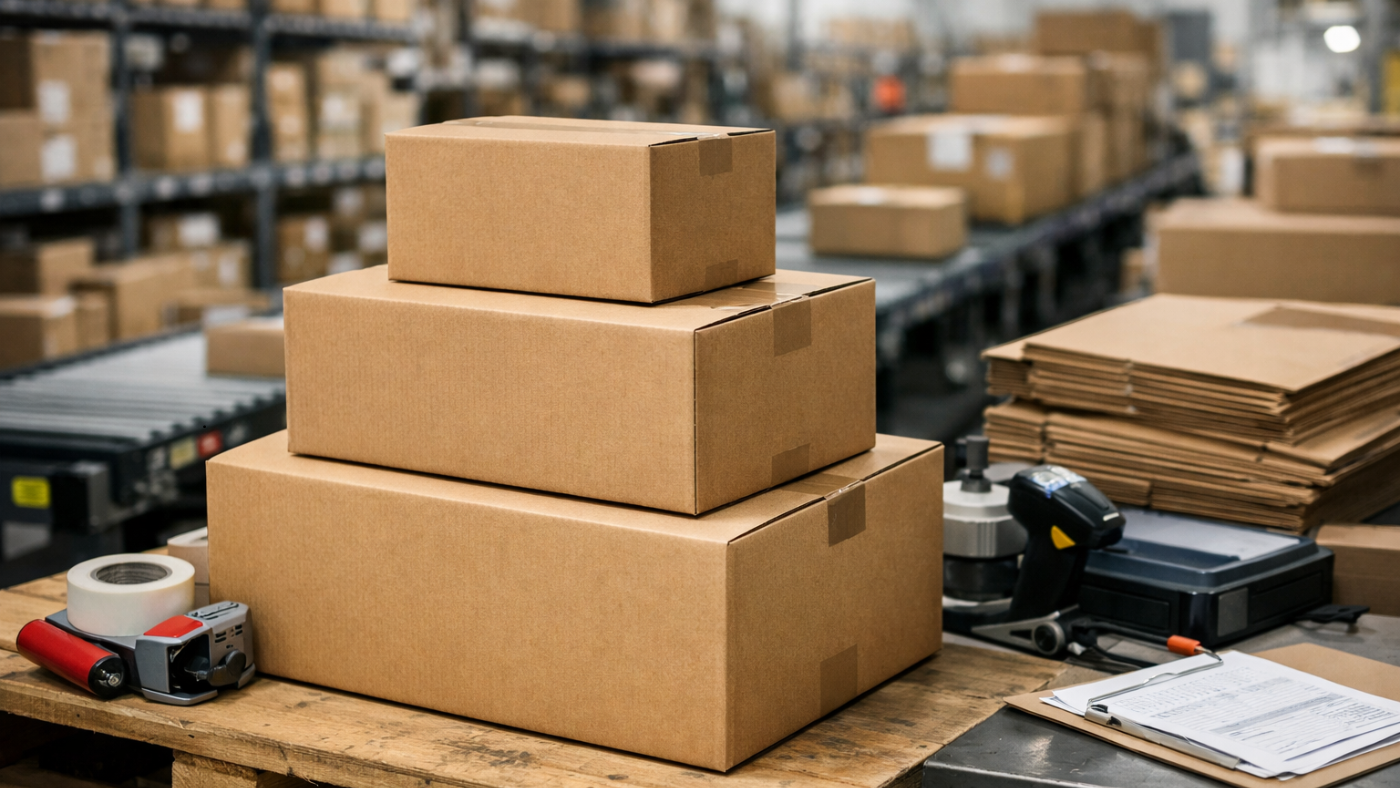
- Match each cardboard box to the product, not the guess — a 9x6x2 mailer or a 12x12x12 corrugated box can cut shipping costs per shipment fast when the dimensions fit the SKU.
- Track dimensional weight before you buy bulk boxes. One oversized cardboard box can turn a 2 lb order into a bill for 8 or 12 lb, and that math hits small sellers hard.
- Sort your inventory into four box types: cube, flat, tall, and long. That gives Shopify, Etsy, eBay, and Amazon sellers a clean way to cover apparel, books, wine, snacks, and insulated items without overbuying.
- Choose corrugated strength by use, not habit. Standard boxes handle most small e-commerce orders, while heavy-duty cardboard boxes make sense for dense, fragile, or stacked shipments that need a sturdier build.
- Compare box suppliers on stock depth, free shipping, and repeat availability, not just sticker price. A cheap cardboard box that’s out of stock next month costs more than a steady source with the right sizes on hand.
- Build a small size chart now, before peak season. Brands shipping 500 orders a month usually find that 5 to 7 box sizes cover about 80 percent of orders, which keeps packing faster and waste lower.
Five hundred orders a month can feel comfortable right up until packaging starts shaving dollars off every shipment. A cardboard box that’s two inches too big, a weak corner, or a cheap tape job can turn a $9 order into a $6 margin, and that’s before the carrier weighs in. For small sellers on Shopify, Etsy, eBay, and Amazon, that math gets brutal fast.
The real trap is thinking box choice is just about holding the product. It isn’t. It’s about cost per shipment, dimensional weight, damage rates, and how much dead air gets paid for by the seller instead of the buyer. The honest answer is that most brands don’t need fancier packaging. They need the right corrugated box in the right dimensions, stocked in the right sizes, so they’re not buying extra space, extra filler, or extra headaches.
Why does the right cardboard box change the cost per shipment fast
A cardboard box can change a 500-order operation’s math in one week.
- Dimensional weight bites first. A 12x12x12 box and a 10x8x6 box may hold the same item, but the bigger one can trigger higher shipping charges. That’s why a cardboard packing box should match the product, not the shelf space.
- Construction should fit the load. A standard corrugated cardboard box works for apparel, books, and snacks; a heavy-duty cardboard box belongs with dense or fragile goods; a cardboard shipping box for branded sets can be lighter if the contents don’t need extra crush resistance.
- Oversizing hides waste. Even if damage stays low, empty space adds tape, void fill, and postage. A brown cardboard box that’s two inches too tall can turn into a higher-rate shipment fast.
For brands comparing a cardboard moving box to a cardboard storage box, the honest answer is that moving strength isn’t always the right answer for shipping. A cardboard box supplier with cardboard box wholesale and cardboard box bulk pricing should still help match dimensions to the actual SKU size.
That’s where a cardboard box near me search often misses the point. Price per unit matters, sure. But a cardboard box for shipping that cuts one ounce of dim weight can beat a cheaper box every single day.
And yes, a recycled cardboard box or kraft cardboard box can still be sturdy enough (The Boxery sees that tradeoff constantly). Right fit. Less air. Better margins.
Cardboard box sizes that fit real e-commerce products
Size wins. A box that’s even 2 inches too large can bump shipping costs on a 500-order month by $50 to $150 fast, and that’s before void fill.
For apparel, books, wine, snack packs, and insulated items, the right cardboard box shape matters more than the label on the carton. A cardboard packing box should match the SKU, not the shelf guess. A cardboard storage box works for inventory — a small cardboard box or kraft cardboard box is often better for shipping dense, low-profile goods.
Matching dimensions to apparel, books, wine, snacks, and insulated items
A cardboard shipping box for folded tees might run 10x8x4, while books usually fit flatter 9x6x2 builds. Wine needs a brown cardboard box or a heavy duty cardboard box with inserts, and snack bundles do better in a snug corrugated cardboard box. For fragile or temperature-sensitive goods, insulated packs need tighter internal dimensions, not just more plastic.
Practical rule: keep three cubes, two flats, and one long format on hand. That covers about 80 percent of a typical small seller’s orders without paying for empty air. A cardboard moving box or large cardboard box can handle overflow, but they shouldn’t be the default. A good cardboard box supplier makes that mix easy to buy at cardboard box wholesale or cardboard box bulk pricing. And if someone searches for a cardboard box near me, the real answer is usually the right size on the shelf, not the closest store.
The Boxery’s range gives sellers a faster match, less bump in dimensional weight, and fewer empty spots to fill.
How to choose corrugated strength, stock, and finish
About 1 in 3 sellers overspend on the wrong cardboard box. They buy extra wall when standard corrugated would do, then watch the margin disappear on every order. A smarter cardboard box strategy starts with fit, then strength, then finish.
ECT, burst test, and what they mean in plain shipping terms
A cardboard shipping box rated 32 ECT works for most apparel, books, and light hard goods up to about 65 lbs; 44 ECT fits heavier loads that get tossed, stacked, or mixed into freight. Burst test still matters for dense items, but ECT is the better day-to-day check for a busy shipping line. For sellers hunting a large cardboard box, a stronger flute can stop corner crush without jumping straight to a heavy duty cardboard box.
White, Kraft, matte, and printed box options for branding
A brown cardboard box is the cheapest stock choice, and it’s fine for warehouse packing, but a white cardboard box or matte finish can lift perceived value on subscriptions, cosmetics, and gifts. A corrugated cardboard box with a clean print panel also works better for labels and returns. For a cardboard packing box used every day, plain kraft usually wins on cost per shipment.
For a cardboard moving box or cardboard storage box, the box should hold shape, not look pretty. That’s the honest trade-off.
It’s a small distinction with a big impact.
Stock sizes beat custom runs until monthly volume gets steady. A cardboard box supplier that offers cardboard shipping box, cardboard box supplier, large cardboard box, and The Boxery helps smaller brands buy cardboard box wholesale or cardboard box bulk without locking cash into dead inventory. That matters when orders hit 500 a month and every empty inch costs real money.
A cardboard box near me search feels handy, but it rarely beats the right dimensions, the right stock, and a recycled cardboard box that ships fast. For niche SKUs, a kraft cardboard box often outperforms glossy packaging because it’s sturdy, cheap, and easy to match to a blue, snackable, or insulated product line.
Packing methods that keep boxes sturdy without adding cost
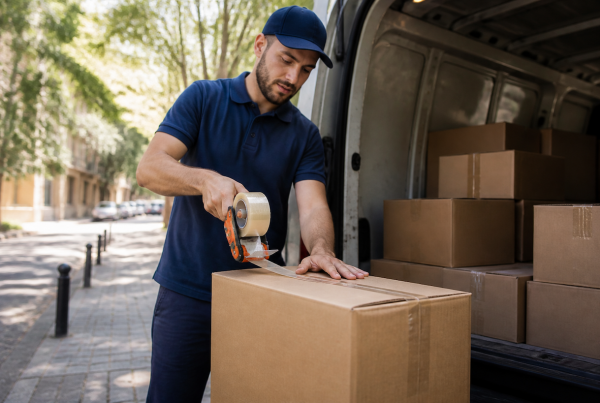
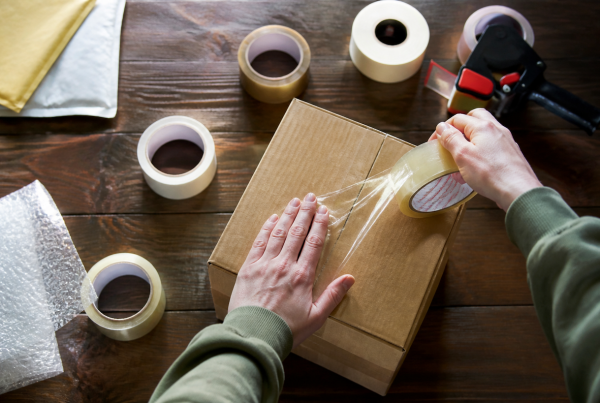
Write this section as if explaining a smart friend over coffee — casual but accurate and specific. A brown cardboard box holds up when the load matches the dimensions, the seams are taped well, and the empty space stays small. That’s the whole trick. A seller shipping 500 orders a month doesn’t need fancy packaging; they need a cardboard box that lands under the tape gun, survives a drop, and doesn’t add a dime to postage.
For a cardboard box wholesale buy, the cheapest fix is right-sizing. A small cardboard box cuts voids on light goods, while a large cardboard box makes sense for bundled apparel or a bike part that can’t rattle around. A corrugated cardboard box beats flimsy stock every time. So does a cardboard shipping box with clean folds and no crush on the corners.
Void fill choices:
- Paper for irregular items and a recycled look.
- Air pillows for light, empty space.
- Bubble for fragile corners and glass.
- Plastic alternatives when moisture is the real problem.
A cardboard packing box for shirts isn’t the same as a cardboard moving box for books. One can be light. The other needs a heavy-duty cardboard box and tighter stacking habits. A cardboard storage box also rewards flat stacking, not overfilling.
Cushioning by crushing: what packaging tests reveal about box performance
Short answer: compression matters. A cardboard box supplier will usually point to edge crush numbers because a box fails from stacking load long before it looks tired. The honest answer is simple: a cardboard box for shipping should survive being buried under three more cartons for 24 hours. A recycled cardboard box or a kraft cardboard box can still do that if the board grade is right. cardboard box near me, search or not, the test is the same.
Most guides gloss over this. Don’t.
Where small sellers source cardboard boxes without overbuying
A seller hits 500 orders in a month, and the spare closet starts disappearing fast. The first fix isn’t buying a mountain of boxes; it’s matching the cardboard box to the order mix, then buying only what turns within 30 to 45 days.
Free boxes, USPS options, and nearby pickup vs buying in bulk
Free cartons can help in a pinch, but a corrugated cardboard box still wins for repeat shipping because the dimensions stay predictable and the packing process doesn’t slow down. USPS Priority Mail supplies may be free, yet they only work for specific mail classes (not every product fits a flat-rate box), so a seller should reserve them for the right SKU. A nearby pickup can solve an emergency, but it rarely beats a steady cardboard box bulk order on cost per shipment.
For comparison, a cardboard box for shipping should be judged on stock depth, repeat availability, and whether the supplier can refill the same size next month. A cardboard box supplier with 1,000-plus sizes, free shipping on mailers, and same-day ship cutoffs beats a one-off bargain pile every time.
- Buy a cardboard packing box for fragile items that need cushioning.
- Use a brown cardboard box for standard goods where price matters most.
- Pick a cardboard moving box for heavier, hand-packed orders.
- Keep a cardboard storage box for overstock and returns.
That’s why sellers compare cardboard box wholesale, cardboard box bulk, and a cardboard box near me option before peak season hits. A heavy-duty cardboard box protects dense goods, while a small cardboard box saves postage, and a large cardboard box cuts the need for extra void fill. A recycled cardboard box or kraft cardboard box usually gives the best mix of cost, weight, and shelf appeal (and yes, that matters when the reviews start coming in).
The short version: it matters a lot.
Frequently Asked Questions
How can someone get free cardboard boxes from USPS?
USPS gives away some shipping supplies for Priority Mail, including certain box styles, but they’re meant for USPS services only. If a seller uses them for the wrong service, the postage can get rejected, or the package can be delayed. For regular packing and shipping, standard corrugated cardboard boxes are the safer buy.
Where can I find free cardboard boxes near me?
Free boxes usually show up at grocery stores, liquor stores, pharmacies, and big-box retailers after stocking hours. The catch is quality: used boxes can be crushed, oily, or the wrong dimensions for a small business order. For e-commerce packing, that’s a bad trade unless the item is light and the shipment isn’t going far.
What does it mean to live in a cardboard box?
It’s an expression for being broke or unhoused. People use it as a blunt joke, but it points to real hardship, not packaging. For sellers, a cardboard box is just a shipping container, and a cheap one still has to do its job.
How can someone get a bunch of cardboard for free?
Ask local retailers, warehouses, or office buildings if they save clean breaks in bulk. You’ll usually get mixed sizes, plenty of tape residue, and a lot of awkward shapes. If the goal is shipping products, buying the right box size often costs less than losing time and postage on a bad fit.
No shortcuts here — this step actually counts.
What size cardboard box should a small e-commerce seller choose?
The best size is the smallest one that fits the product, plus a little protection. A 12x9x4 box might be right for apparel accessories, while a 9x6x2 mailer works better for flat items. Oversizing hurts cost per shipment because dimensional weight adds up fast.
What’s the difference between corrugated and plain cardboard?
Corrugated cardboard has a fluted middle layer that gives it strength. Plain paperboard is thinner and better for retail cartons, not shipping heavier items. For boxes that need to survive packing, stacking, and transit, corrugated is the standard choice.
Are white cardboard boxes better than brown ones?
Neither one is automatically better. White boxes can look cleaner for branding, while brown boxes usually cost less and hide scuffs better (which matters when cartons move through busy packing stations). If the box is going to be covered with labels and tape, brown is usually the practical pick.
How do extra-sturdy boxes affect shipping costs?
Heavier-duty boxes protect better, but they can also raise freight costs if the box itself adds too much weight or size. The smart move is matching the cardboard box to the product, not defaulting to the thickest option on every order. A wine shipment needs more protection than a stack of snack packs, and a bike part needs a different setup again.
Can custom cardboard boxes save money?
Yes, if the custom dimensions match the product closely enough to cut void fill and dimensional weight. A custom box that fits snugly often ships cheaper than a standard box stuffed with packing material. For sellers with one repeat SKU, that math can be very strong.
What should a seller check before buying cardboard boxes in bulk?
Check dimensions, box strength, pack count, and storage space first. Then look at cost per shipment, not just price per case. A cheap box that crushes, wastes space, or forces extra plastic fill isn’t cheap for long.
Sounds minor. It isn’t.
For a brand shipping 500 orders a month, the cardboard box isn’t just a container. It’s part of the margin math. The wrong size pads, carrier charges, the wrong strength invite damage, and the wrong finish makes the brand look cheaper than it is. The right choice does the opposite. It trims cost per shipment, keeps returns down, and makes packing faster when the orders stack up.
That’s the real test here: not whether a box looks decent on a shelf, but whether it holds up through repeated use without wasting inches, filler, or labor. A tight size chart, a sane strength choice, and a small, reliable supplier list will do more for profit than chasing the cheapest box on paper.
The next step is plain enough. Pull the last 30 days of orders, group them by product shape, and map the 3 to 5 box sizes that cover most shipments before peak season puts pressure on the whole operation.


Recent Comments