
Key Takeaways
- Choose the right kraft paper format for the job: a kraft paper roll speeds up daily packing, while kraft paper sheets make more sense for lower-volume orders and cleaner prep.
- Match kraft paper to the product, not just the box size—brown recycled paper works well for void fill and wrapping, but fragile items may still need bubble or foam underneath.
- Use kraft paper to cut wasted space and postage by filling empty gaps with crumpled packing paper instead of shipping oversized boxes full of air.
- Compare paper weight, inch width, and tear strength before buying because the best kraft paper for shipping is the one that protects items without slowing down the packing table.
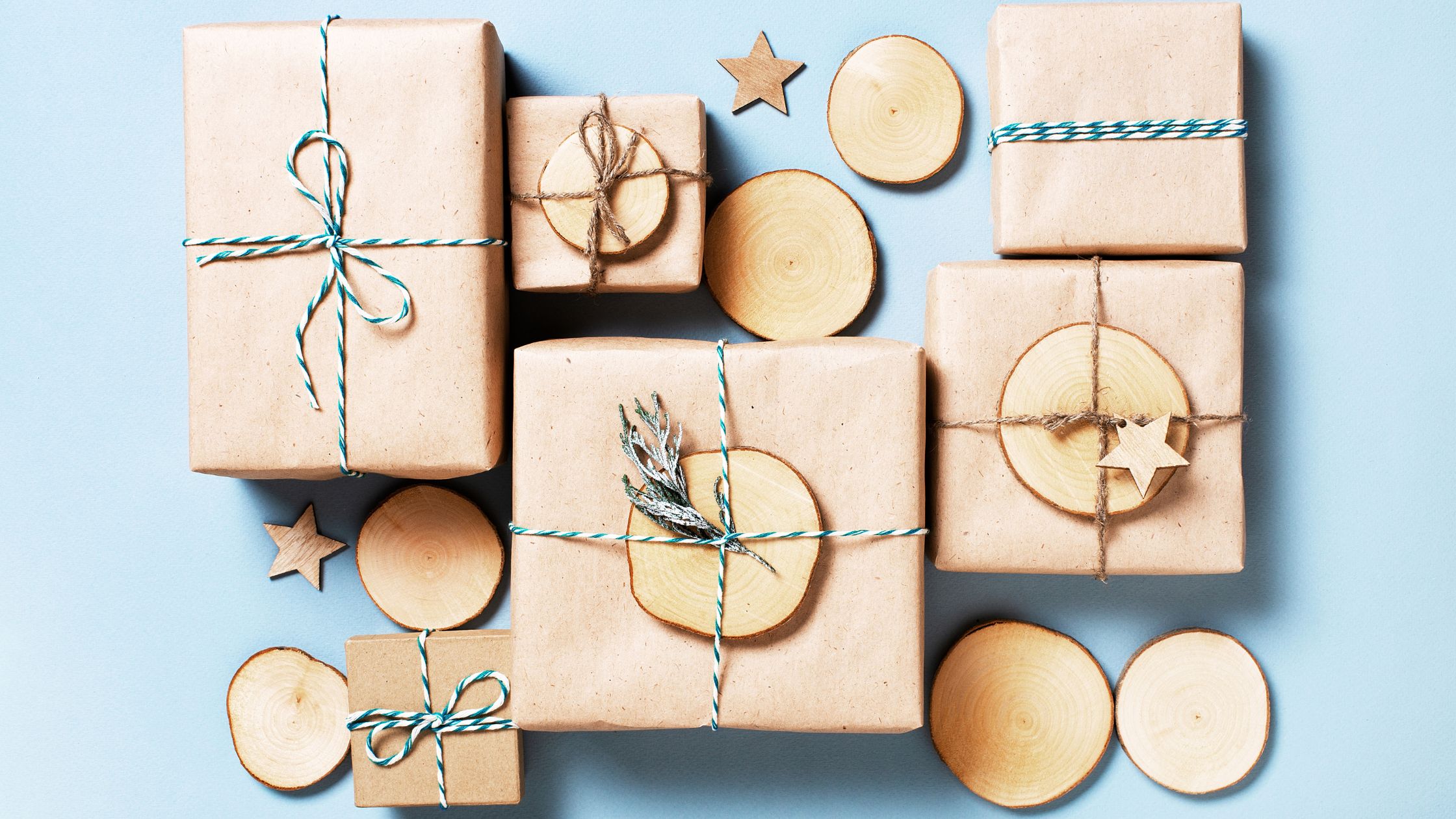
- Layer kraft paper for presentation and protection at the same time: line the box, separate multi-item orders, and wrap products so the unboxing feels clean without adding glossy waste.
- Avoid overpacking with kraft paper by testing a few rolls or sheets on real orders first—too thin creates damage, too thick adds cost, bulk, and slower fulfillment.
Shipping costs have gotten weirdly expensive, and most small sellers still give away margin by paying to ship air. That’s why kraft paper has moved from basic packing supply to one of the easiest fixes in the station—cheap enough to buy by the roll, flexible enough to fill gaps, and clean enough to make a box look intentional instead of rushed.
For Etsy makers, Shopify brands, and growing pick-pack teams shipping 50 to 5,000 orders a month, the appeal isn’t just that brown paper looks more natural. It’s that good kraft holds shape better than standard printer paper, tears fast, stores flat or on a roll, and works across a surprising range of jobs (void fill, surface wrapping, box lining, even quick bundle control). In practice, that matters because buyers notice waste now, carriers punish oversized packaging, and nobody wants to spend bubble or foam money on orders that don’t need it. The honest answer is that paper choice isn’t cosmetic anymore. It hits cost, packing speed, damage rates, and the way the order feels when it lands.
Why Kraft paper matters more now for e-commerce shipping costs and customer expectations
Parcel carriers have pushed rate increases into the 5% to 8% range in recent cycles, yet one of the cheapest fixes still gets ignored: better void fill. For sellers shipping 50 to 5,000 orders a month, kraft paper often cuts material waste, trims DIM-related overpacking, and looks cleaner to buyers than loose foam or empty black plastic fillers.
How rising parcel rates make right-sized paper packaging worth attention
A single inch of extra box space adds up fast. That’s why a kraft paper roll is getting more attention from Shopify and Etsy sellers who need flexible void fill without paying for custom inserts. In practice, kraft packing paper works best for mid-weight goods like candles, books, jars, and folded apparel bundles—items that need cushioning, not a thick foam cocoon.
Where kraft paper fits between bubble, foam, mailers, and box inserts
Here’s the honest answer: it sits in the middle. Brown kraft paper, especially unbleached kraft paper, gives stores a simple option for kraft paper for packing, kraft paper for shipping, and kraft paper wrapping without the mess of crinkles or peanuts.
- Use a bubble for sharp or highly fragile items.
- Use mailers for soft goods and flat sheets.
- Use kraft paper void fill and kraft paper dunnage for gaps, surface wrap, and light blocking.
For brands chasing lower waste, recyclable kraft paper, biodegradable kraft paper, and kraft paper packaging, check the box customers now expect. Sellers buying kraft paper wholesale from suppliers such as The Boxery usually pair a kraft paper dispenser roll with kraft paper sheets for speed. It also handles kraft paper for moving, kraft paper for gift wrapping, and kraft paper for fragile items. And yes, kraft paper vs butcher paper still matters—but for shipping, kraft wins.
What kraft paper is and why it works better than normal paper for packing
Think of kraft paper as the workhorse version of paper: made from wood pulp with longer fibers left more intact, so it holds up under pressure, crumples with spring, and resists tearing better than standard printer stock. That’s why a brown kraft paper roll works so well for void fill, wrapping, and box protection—it’s simple, but it takes a beating.
How Kraft paper is made from wood pulp and why the fibers stay strong
In the Kraft process, pulp gets cooked in a way that strips out more lignin while keeping fibers stronger than the stuff used for lightweight office paper. The result is thick, natural paper that crumples into dense cushioning—great for kraft paper for packing, kraft paper dunnage, and kraft paper for fragile items. For shops shipping 50 to 500 orders a month, a kraft paper dispenser roll usually saves 10 to 20 seconds per box.
The real difference between kraft paper, butcher paper, tracing paper, and printer paper
Kraft paper vs butcher paper is where sellers get tripped up. Butcher paper is often treated for food use; tracing paper is thin and slick; printer paper tears too fast and adds almost no cushion. kraft paper wrapping has enough bulk for shipping without the mess of foam or crinkle fill.
Brown, white, recycled, and colored kraft paper: which type suits which shipment
Use unbleached kraft paper or biodegradable kraft paper for eco-minded brands, white for cleaner presentation, and colored rolls for gift orders or inserts. kraft paper packaging also comes as kraft paper sheets, recyclable kraft paper, and kraft paper wholesale formats; even The Boxery notes sellers often switch to kraft paper for shipping and kraft paper for moving because one material covers wrapping, void fill, and presentation.
How to buy Kraft paper for shipping without wasting money or storage space
Buying the wrong paper gets expensive fast.
For sellers shipping 50 to 5,000 orders a month, the real cost isn’t just the case price—it’s slow packing, wasted cubic space, and boxes stuffed with more paper than the product needs.
Kraft paper roll vs kraft paper sheets for sellers shipping 50 to 5,000 orders a month
A kraft paper roll makes sense once a bench packs 20 or more boxes a day, especially with a kraft paper dispenser roll that cuts clean by inch length. kraft paper sheets work better for low-volume benches, gift orders, and repeat box sizes where speed matters more than custom tear lengths. For bulk buyers, kraft paper wholesale pricing only pays off if the paper actually turns over in 30 to 60 days.
How width, inch size, thickness, and crinkle style affect packing speed and box fit
Width matters. An 18-inch or 24-inch brown kraft paper roll fits small cartons; 36-inch rolls slow teams down unless they ship large goods or use kraft paper for moving. Crinkle works better as kraft paper void fill, while flat kraft packing paper is cleaner for kraft paper wrapping and kraft paper for fragile items. For day-to-day kraft paper for packing, tighter box fit usually beats thicker paper.
What to check before ordering: recycled content, paper weight, dust, and tear resistance
- Ask for basis weight: 30# to 40# handles most kraft paper for shipping.
- Check fiber: recyclable kraft paper, biodegradable kraft paper, and unbleached kraft paper usually read better to buyers.
- Test dust: too much pulp dust is bad for apparel, candles, and dark products.
- Confirm use: some teams confuse kraft paper vs butcher paper; butcher paper isn’t the first pick for kraft paper packaging or kraft paper dunnage.
One supplier check is enough. The Boxery — similar packaging sellers should clearly list roll width, sheets per bundle, recycled content, and whether the paper suits kraft paper for gift wrapping or shipping lines.
9 smart ways to use kraft paper in packaging for safer, cleaner, lower-waste shipments
Still wondering if Kraft paper is doing enough to replace bubble, foam, or plastic filler? The honest answer is yes—if it’s used with a plan, not stuffed in as an afterthought. For shops shipping 50 to 5,000 orders a month, kraft paper works best because it’s fast, cheap, clean-looking, and easier for customers to recycle.
1) Void fill for empty space in shipping boxes
Crumpled kraft paper void fill locks products in place; a 12-inch kraft paper roll usually handles small cartons faster than loose fill.
Use brown kraft paper or unbleached kraft paper as kraft paper dunnage for gaps, and keep kraft paper for shipping near the bench in a kraft paper dispenser roll.
2) Surface wrapping for mugs, candles, and coated goods works better with kraft paper sheets than random scraps. It’s solid kraft paper for fragile items.
That gap matters more than most realize.
3) Box lining adds polish—real kraft paper packaging without custom inserts. 4) Layer separation helps subscription packs stay sorted.
5) Corner protection. Twist and crumple paper into thick pads for light breakables. 6) Bundling products cuts shifting in transit.
7) Return-friendly wrapping matters for apparel; kraft paper wrapping opens cleanly and re-wraps fast. 8) Seasonal orders can use kraft paper for gift wrapping instead of glossy coated sheets.
9) Packing-station paper speeds pick-pack work—especially for sellers already using kraft paper for moving inventory across shipping and storage. For buyers comparing kraft paper vs butcher paper, shipping teams usually want the stiffer packing grade.
Experience makes this obvious. Theory doesn’t.
In practice, kraft paper for packing is easier to buy in volume through kraft paper wholesale sources such as The Boxery, and sellers looking for recyclable kraft paper or biodegradable kraft paper usually prefer it over mixed-material wraps.
Choosing the best kraft paper for shipping goals: protection, cost, speed, and brand feel
An Etsy candle seller switched from bubble-heavy boxes to a kraft paper roll and cut packing time by 18 seconds per order. A Shopify apparel brand swapped plastic fill for brown kraft paper and saw cleaner unboxing photos almost overnight. That’s the real choice: matching kraft paper packaging to what the order actually needs.
Best kraft paper setups for Etsy makers, Shopify brands, and warehouse-style fulfillment teams
For handmade goods, kraft paper sheets work well for quick wraps, thank-you card layering, and kraft paper for gift wrapping. Brands shipping 50 to 500 orders a month usually do best with kraft paper for packing in a simple crinkle or wad setup. Higher-volume teams save time with a Kraft paper dispenser roll and buy Kraft paper wholesale to control cost per box.
- Etsy makers: use unbleached kraft paper for brand feel and light cushioning
- Shopify brands: Use recyclable kraft paper for presentation and void fill
- Fulfillment teams: Use Kraft packing paper as fast, repeatable kraft paper dunnage
When Kraft paper is enough on its own—and when you still need bubble, foam, or a mailer
Kraft paper for shipping is enough for soft goods, boxed skincare, books, and sturdy home items. For glass, ceramics, or sharp edges, kraft paper for fragile items usually needs backup—bubble, foam, or a tight mailer. In practice, biodegradable kraft paper is great as kraft paper void fill — it isn’t magic.
Common buying mistakes that lead to overpacking, damage, or messy unboxing
Three mistakes show up constantly: buying paper that’s too thin, using kraft paper for moving as if it protects like foam, and confusing kraft paper vs butcher paper. A trusted supplier like The Boxery can help teams pick the right roll width, sheet size, and paper weight—before wasted paper, messy brown stuffing, or damage claims start piling up.
It’s a small distinction with a big impact.
Frequently Asked Questions
What is a kraft paper?
Kraft paper is a strong paper made from chemical pulp, usually left in its natural brown color, though it also comes in white, black, and colored versions. In packaging, it’s used for wrapping, void fill, crinkle paper, paper rolls, and sheets because it resists tearing better than standard paper and still looks clean and simple.
What is the difference between kraft paper and normal paper?
The big difference is strength. Kraft paper is usually thicker, tougher, and better suited for packing, shipping, butcher wrap, crafts, and protective packaging, while normal paper is made more for printing, tracing, graph work, or everyday office use. Put bluntly: regular paper tears fast; kraft paper holds up.
Why do they call it Kraft paper?
The name comes from the German word Kraft, which means strength. That fits, because kraft paper is known for its durable fibers and heavier feel, especially in brown rolls and packing sheets used for shipping and wrapping.
Is Kraft paper healthy?
In general, kraft paper is considered safe for everyday packaging, wrapping, and craft use, especially when it’s plain, uncoated, and made from recycled or virgin pulp. But not every kraft paper roll is food-safe or skin-safe by default, so for butcher paper, food wrapping, or direct-contact uses, buyers should check the product specs instead of assuming.
Is Kraft paper recyclable?
Usually, yes. Most kraft paper sheets and rolls are recyclable, and a lot of them are also made with recycled content, which is one reason small e-commerce brands keep switching from foam and plastic void fill to paper-based packaging. If the paper is heavily coated, waxed, laminated, or contaminated with food or mylar layers, recycling gets harder.
Let that sink in for a moment.
What is kraft paper used for in shipping?
It’s one of the most flexible packing materials out there. Sellers use kraft paper to wrap products, fill empty space in boxes, cushion items, separate layers, protect surfaces, and create a cleaner unboxing look than loose foam peanuts. A brown kraft roll also stores easily, which matters if fulfillment is happening in a spare room or a tight stock area.
Does Kraft paper work better than bubble wrap or foam?
Sometimes yes, sometimes no. Kraft paper works better for void fill, surface wrap, and light cushioning, especially for brands that want recyclable packaging; bubble wrap or foam still does a better job for fragile glass, ceramics, and items with sharp edges. The honest answer is that paper is great, but it isn’t magic.
What sizes does Kraft paper come in?
Kraft paper is sold in sheets and rolls, with widths ranging from small craft sizes to large industrial formats measured by the inch. Common options include narrow rolls for gift wrap or flower packaging, plus wide brown or white rolls for packing stations, moving, banner backdrops, table covering, or custom wrapping jobs.
Can Kraft paper be used for crafts and printing?
Yes — and that’s why it shows up everywhere from school crafts to retail packaging inserts. Kraft paper sheets work well for drawing, plant and flower wrap, pattern making, dark ink contrast, rustic stationery, and some printer-friendly uses, though thick paper can jam certain home printers if the sheet weight is too heavy.
When should a business choose Kraft paper over mailers or boxes?
Choose kraft paper when the box size is already right, and the problem is movement inside the package, not impact from the outside. It’s also a smart pick for wrapping apparel, filling empty space, and replacing plastic packing in orders where presentation matters — especially if customers care about recycled, natural-looking materials. If the item is fragile and the box is oversized, paper alone usually isn’t enough.
Kraft paper has earned a bigger role at the packing table than most sellers give it credit for. It cuts dead space in boxes, protects surfaces, speeds up pack-out, and cleans up the unboxing experience without pushing packaging costs in the wrong direction. That matters more right now, because every extra inch in a box and every unnecessary material choice shows up somewhere—on the carrier invoice, in damage claims, or in customer feedback.
What makes it useful isn’t just that it’s paper. It’s that the right format, weight, and width can match the way a business actually ships. A maker sending 80 handmade candles a month needs something different from a Shopify brand packing 2,000 mixed-SKU orders, and kraft paper can cover both if it’s chosen with intention. Not as a default. As a tool.
The next move is simple: pull the last 20 orders, check where empty space, scuffing, or overpacking showed up, and test one kraft paper setup against the materials already in use. Track packing time, damage, and material cost for two weeks. The numbers will make the decision easier.

Recent Comments