
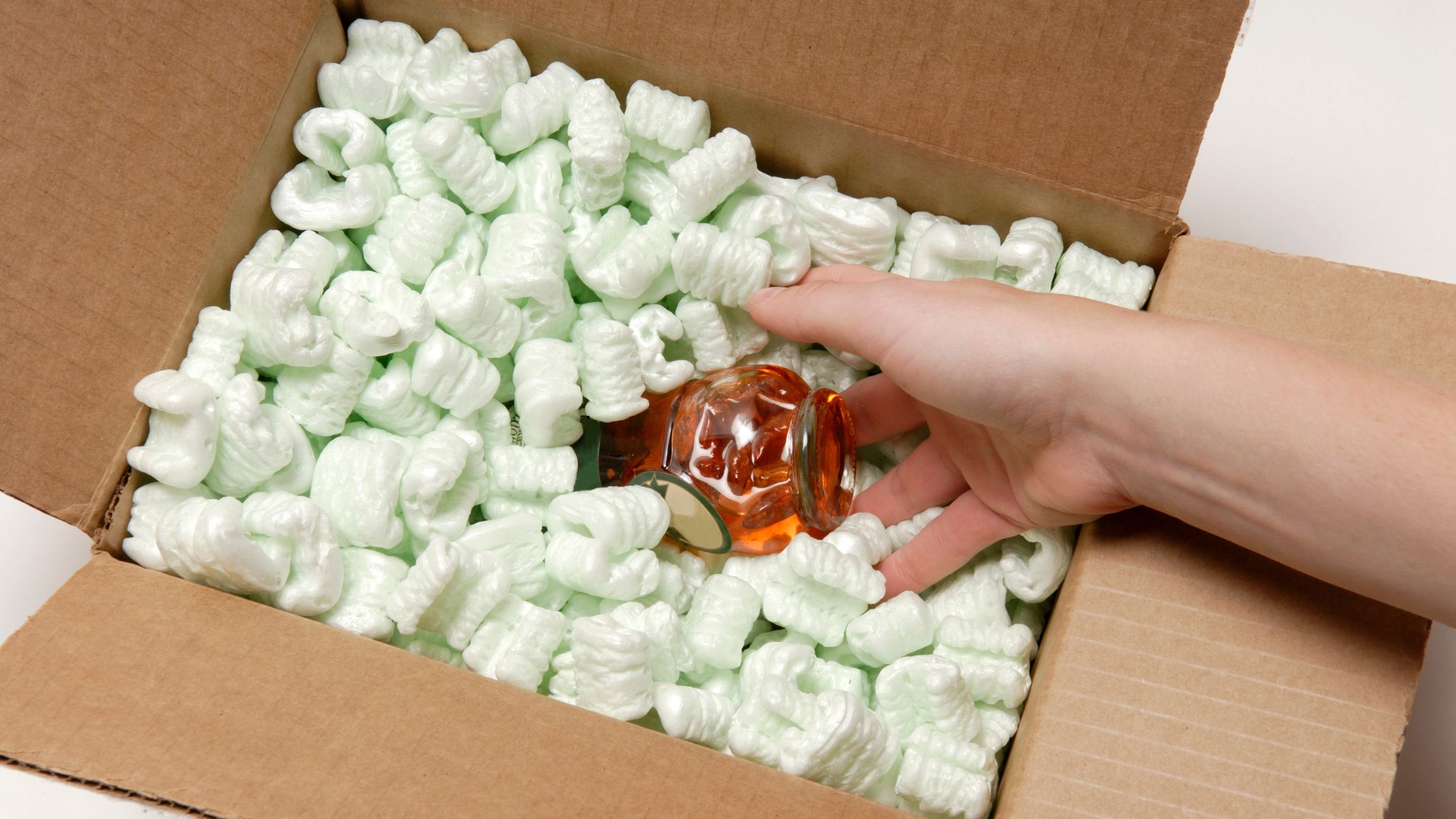
Fact: insulated bubble bags are now used across food, medical supplies, and cosmetics to guard temperature and absorb shocks—helping reduce spoilage and returns by a surprising margin.
We know you want orders to arrive flawlessly. The Boxery built this guide so you can choose the right materials fast. You’ll learn what each item does, when to use it, and how to balance cost and care for your cargo. If you’re just getting your feet under you, browsing packaging protection categories makes it easy to start smart without overbuying.
From void fill machines that stop movement to edge protectors that stabilize tall pallet stacks, we map simple solutions to real-world shipping needs. Protective foam adds impact mitigation and surface safety for fragile goods, while insulated bags handle temperature-sensitive items.
Read on, and we’ll show quick tests, pairing tips by product weight and fragility, and recyclable options that cut waste without cutting safety. If you’re ready to move fast, The Boxery has stocked products and responsive support to help you ship smarter in the United States.
Key Takeaways
- Insulated bubble bags protect against impact and temperature shifts for food, medical, and cosmetics.
- Void fill systems—air pillows, paper, and foam—reduce in‑box movement and transit damage.
- Edge protectors and corner boards stabilize pallet loads when used with wrap or strapping.
- Protective foam provides surface care, vibration resistance, and tailored cushioning.
- Balance cushion density with dimensional weight to control shipping costs.
- The Boxery offers category-leading items and guidance to implement these solutions quickly.
Why The Boxery’s packaging protection matters for safe, sustainable shipping in the United States
Keeping goods intact on long hauls and last‑mile drops begins with choices that match item weight and fragility. We help you pick materials that stop movement, absorb shock, and add a thermal buffer when needed.
Protecting items in transit: reduce movement, impact, and vibration
Every damaged box costs more than money. It risks a disappointed customer, a return, and a negative review. Reducing movement inside the carton is the fastest way to cut in‑transit damage. Air void-fill systems—air pillows, cushion film, and bubble wrap—create lightweight barriers that absorb shocks. Denser materials and foam-in-place systems damp vibration for electronics and ceramics while molding to odd shapes for heavy gear.
Anecdote: I still remember a Friday afternoon when a rush order of ceramic tiles came back cracked twice. We switched the void fill to a denser cushion and added corner protection; next week, zero returns. Felt like magic. It was just a better match of materials to risk.
Sustainable protective packaging options to balance performance and responsibility
Paper pads in 1‑ply and 2‑ply formats offer recyclable cushioning and blocking. They give strong performance with better sustainability credentials than some plastics. When sealing cartons, consider paper tape for a sturdy hold and simpler recycling streams.
Industries and use cases: from e-commerce to food, cosmetics, and medical supplies
Insulated bubble bags add impact control plus temperature regulation for food, cosmetics, and medical items. That thermal buffer is crucial across varied U.S. climates and last‑mile variability. For clean storage and in-warehouse bundling, a quick wrap with shrink film keeps dust and moisture off while units move through staging.
Packaging Protection solutions from The Boxery: a complete range for your shipping needs
A thoughtful lineup of foam, air systems, and paper options keeps your goods steady from dock to door.
Foam and foam-in-place
Foam-in-place molds to heavy or odd-shaped items, cutting vibration and corner crush while speeding pack time. For fragile, high-value items where dings are unforgiving, purpose-fit shipping foam delivers consistent, repeatable protection.
Bubble wrap and insulated bubble bags
Standard bubble disperses impact. Insulated bubble bags add thermal buffer for food, medical, and cosmetics while limiting bulky coolers. For wide-format or continuous runs, perforated bubble rolls make it easy to right-size wrap with less waste.
Air pillows and cushion film
Air systems give fast, lightweight void fill. They protect finishes and are easy to right-size at high throughput. If voids are irregular or deep, consider loose-fill like packing peanuts to stop shifting without overboxing.
Paper void fill
Choose 1‑ply for light blocking, 2‑ply for heavier duty, and fast‑fill pads when you need speed and recyclability.
Edge protectors and void fill machines
Corner boards stabilize pallet stacks when used with wrap or straps. Machines standardize output and cut material waste. For heavier skids and long hauls, pair corner support with proper strapping and tools to keep loads tight from dock to delivery. For simple bundle-ups and light kits, a length of sturdy twine does the job without overkill.
| Product | Best use | Key benefit |
| Foam-in-place | Heavy, high-value items | Molds to shape; reduces vibration |
| Insulated bubble bags | Temperature-sensitive goods | Impact plus thermal buffer |
| Air pillows/cushion film | Lightweight void fill | Fast, low-weight fill |
| Paper pads (1/2-ply) | Recyclable void fill & bracing | Eco-forward, versatile |
The Boxery carries this full range and guides you to the right configuration for your SKUs and workflows.
How to choose protective packaging products that fit your items, operations, and sustainability goals
Decide what your shipment needs by asking three questions: how heavy is the item, how fragile is it, and how will it move through transit? Answering those lets you match materials to real-world demands quickly.
Match protection to product
Heavier or delicate goods often need denser foam or foam-in-place systems. Lighter, robust items do well with air pillows or 1‑ply paper pads.
Surface-sensitive finishes benefit from a soft film or tissue layer before structural cushioning. That prevents scuffs and keeps the presentation strong for the customer.
Account for transit conditions
Long-haul routes and many sortation touches call for extra bracing: double-wall boxes, corner supports, or insulation where temperatures swing. For added stability and dust protection in staging, a quick wrap with shrink film can clean up pack-outs without adding much weight.
Eco-forward choices and validation
Choose recyclable paper pads and right-sized cartons to reduce waste and avoid excess dimensional weight. Reuse clean air pillows where practical. When sealing cartons at scale, paper tape keeps streams simpler for customers who recycle.
- Start: Profile your SKU by weight and fragility.
Map: Match foam, film, or paper to the journey.
Test: Drop, vibration, and compression checks before scaling.
Standardize: Build good‑better‑best pack tiers and train your team.
The Boxery offers step-by-step guidance to validate mixes of foam, paper, and air systems so you can scale with confidence and keep damage rates low.
Conclusion
Close the loop on every order by matching materials to risk, testing fast, and scaling what works. Start small with air systems like air pillows and cushion film for lightweight void fill, then add 1‑ply or 2‑ply paper void fill where recyclability matters.
Reserve molded or foam‑in‑place for heavy or fragile SKUs and use insulated bubble bags when temperature control is essential. These targeted choices keep shipping efficient and costs predictable.
The Boxery stands ready to help you pick the right products and pilot right‑sized solutions. Tell us your top three problem SKUs and current packout—we’ll recommend options you can test this week and scale next. If you’re filling irregular voids, a small dose of shipping peanuts can stabilize contents without adding bulk.
FAQ
What materials should I keep on hand for essential packaging protection?
Keep a mix of cushioning and void-fill options: foam sheets or blocks for heavy, fragile items; bubble wrap and insulated bubble bags for delicate and temperature-sensitive goods; air pillows and cushion film for lightweight gaps; and kraft paper or fast-fill paper for eco-friendly void fill. Add corner boards and edge protectors for pallet stability. This range helps you match protection to each item’s weight, fragility, and surface sensitivity.
How does The Boxery’s protective packaging help reduce damage during transit?
The Boxery’s solutions focus on limiting movement, absorbing impact, and cutting vibration—three common causes of damage. Using foam-in-place or molded foam secures high-value items. Bubble and padded bags cushion shocks, while air pillows and paper prevent shifting. Edge protectors keep stacked loads stable. Together, these options lower return rates and customer complaints.
Which options are best for eco-conscious shipping?
Choose recyclable paper void fill, corrugated pads, and recyclable bubble products when available. Right-sizing boxes and using the minimum effective cushioning reduce waste and shipping weight. Foam that’s reusable or designed for reduced material helps too. Balancing performance and responsibility means picking materials that protect while easing disposal or reuse.
How do I select the right foam solution for heavy or high-value items?
Match foam density and thickness to the item’s weight and impact risk. High-density foam or foam-in-place molds cradle heavy or irregular shapes and stop movement. For very fragile or high-value goods, use custom-cut inserts or engineered foam cushions to ensure consistent fit and shock absorption across long-haul transit.
Are insulated bubble bags suitable for temperature-sensitive products like cosmetics or food?
Yes. Insulated bubble bags combine thermal lining with cushioning to stabilize temperature and limit shocks. They’re effective for short- to mid-distance shipments. For extended cold-chain needs, pair them with gel packs or refrigerated logistics, and confirm carrier transit times and handling practices.
When should I use air pillows versus paper void fill?
Use air pillows for fast, lightweight void fill when you need quick packing and minimal material. Paper void fill works well for heavier items, surface protection, and when recyclability is a priority. Fast-fill paper systems speed operations while providing extra rigidity in the box—ideal when you want both protection and an eco-forward choice.
How do edge protectors and corner boards improve pallet stability?
Edge protectors distribute strap and stacking pressure across box corners and edges, preventing crushing and punctures. Corner boards add vertical support on palletized loads, reducing movement and shifting during handling. They’re simple, cost-effective reinforcements that improve stack support and reduce product loss in multi-box shipments.
Can void fill machines really boost packing speed and consistency?
Yes. Void fill machines—whether for paper, air pillows, or foam—automate material production and dosing. That reduces operator variability, speeds packing, and lowers material use by providing the right amount every time. For high-volume operations, these systems cut labor and improve protection consistency across shipments.
What should I consider about transit conditions when choosing protective materials?
Think about transit duration, handling frequency, carrier handling, and environmental factors like temperature and humidity. Long-haul or multi-handling routes need robust cushioning and anti-vibration options. Temperature swings call for insulation. Anticipating real-world conditions helps you pick materials that keep items safe from shock, moisture, and compression.
How can I balance cost, protection, and sustainability for my eCommerce business?
Start by right-sizing your boxes to reduce void and choose the minimum effective cushioning. Use recyclable paper and reusable foam where possible. Track damage rates and adjust materials—sometimes a slightly higher upfront cost for a better cushion reduces returns and overall expense. Small tests and measured changes give the best return on investment.

Recent Comments