

Surprising fact: nearly 40% of breakages during moves come from using the wrong box for weight or shape—so the container you pick matters as much as the cushion inside.
At The Boxery, we help you match the right box to the job so your valuables arrive intact. Think about weight, stacking, and the route your goods will take; those factors decide which construction and reinforcement work best.
For delicate dishware, glass, or electronics, a strong shell plus proper internal padding creates a protective system—not just a container.
Choose the correct size and strength, add the right packaging accessories, secure seals, and label clearly. That simple formula saves time, cuts stress, and prevents costly breakage when you’re moving on a tight schedule.
Key Takeaways
- Match the box strength to the item’s weight and travel conditions.
- Use internal padding to create a protective system for fragile items.
- Select the right size to avoid overloading and awkward handling.
- Complement the box with quality packaging accessories for better protection.
- The Boxery is a trusted store and brand for reliable moving products.
Shop The Boxery: Your United States source for Packing Boxes right now
Find the right shipping solution fast with The Boxery’s curated selection across the United States. You get clear product details, fast fulfillment, and a brand you can trust when time matters. If you’re searching “shipping boxes near me,” you’re basically already here—quick browse, straightforward options, no fuss.
Why choosing the right box matters for a safe move
Support and stackability keep fragile items from shifting and protect corners during transit. The right carton resists punctures and holds weight without bulging.
We weigh price against long-term value so you don’t pay for failures later. Compare strength, size, and shipping to find the best total cost.
Need a plan? We narrow moving boxes by room and item type, then tune recommendations for weight and fragility. From selection to ship, pack, and move—our guidance keeps your timeline on track and your goods cared for every mile.
- Ready-to-ship inventory across the US for quick delivery.
- Practical pairing of packaging and tape to reduce damage.
- Simple guidance so you can select with confidence.
Quick story: I once watched a 40-lb mixer chew through a flimsy carton on a bumpy drive—thirty minutes in and the bottom sagged like wet cardboard. We swapped to a double‑wall, taped the seams in an “H,” added foam under the base… and it rode quiet the rest of the way. Lesson learned—picking the right box is cheaper than replacing the thing you love.
Packing Boxes
Good shipments begin with corrugated shells that balance weight, strength, and stackability. When you need everyday value, shop packing boxes that hold up without overpaying.
Box strength basics
Corrugated design uses fluted layers between liners to resist side pressure and absorb shocks. That flute gives cushion and keeps a carton from collapsing under load—classic corrugated boxes logic that just works.
A rule of thumb: aim for an ECT 32+ rating for most household items. This edge crush test score signals dependable sidewall strength for trucks and long transit. For heavier goods, step up to double‑wall or specialty builds. If you need budget‑friendly sizes, you’ll find boxes for sale in standardized dimensions that stack tightly.
Recycled materials and stackability
Many of our boxes leverage recycled fibers for eco-friendly durability without losing performance.
Uniform sizes stack evenly in vans and storage units, which reduces shifting. Stabilize fragile pieces with bubble wrap, foam sheets, and stretch film so the outer shell can do its job.
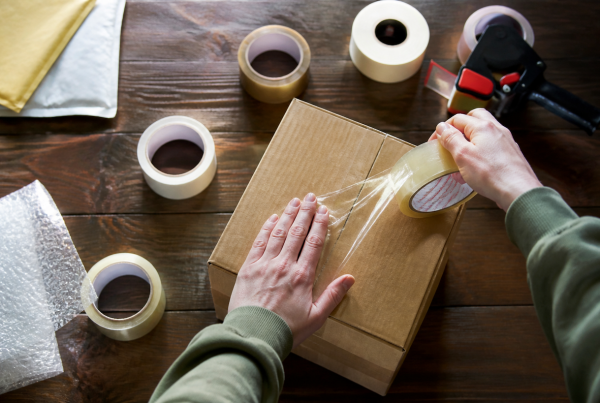
Seal seams with heavy-duty tape in an “H” pattern. Match wall strength to item weight—upgrade for heavy loads. Confirm carrier rules if you plan to mail or ship to avoid surcharges.
| Feature | Why it matters | Practical tip |
| Fluted corrugation | Absorbs impact and resists compression | Choose single- or double-wall by item weight |
| ECT rating | Shows side-wall crush resistance | Aim for 32+ for common household moves |
| Recycled content | Eco-conscious and sturdy | Look for post-consumer fiber blends |
| Stackability | Prevents shifting and toppling | Use uniform sizes and tie down loads |
The Boxery can help you match the right box and accessories—foam, tape, and hand trucks—to keep your move smooth and secure.
Explore The Boxery’s moving box categories
A smart selection of moving products saves time and prevents damage from day one. Use categories to match form and weight so each item gets tailored protection. When in doubt, browse value‑priced cardboard shipping boxes to keep budgets in line.
Core moving solutions
Standard cartons work for everyday items. Deluxe moving boxes add strength for heavier loads. Choose boxes with hand holes for safer lifting and better control.
Specialty options
Wardrobe moving boxes keep clothes upright and crease-free. Flat-panel TV and Artwork/Mirror boxes add corner protection. Dish & Glass pack kits pair with cell dividers to isolate fragile pieces.
Oversized and utility
Speed Pack and Gondola boxes help consolidate bulky, light items. Corrugated totes give reusable utility for storage or staging during a move.
Item-specific shippers & storage
We offer tailored shippers for electronics, mattresses, golf, bikes, keyboards, ski/snowboard, surfboards, and more. Storage file boxes keep documents stacked and accessible.
| Category | Best for | Key feature |
| Core | Everyday goods | Balanced strength |
| Specialty | TVs, artwork, dishes | Custom fit + foam |
| Oversized | Bulky or many small items | Consolidation & reuse |
| Item-specific | Unique gear | Form-fit protection |
The Boxery organizes products and supplies so you can pick the right option fast—saving time and reducing risk during shipping and moving.
Essential packaging supplies to protect heavy and fragile items
The right supplies turn a simple container into a protective system for heavy or delicate goods. Start by gathering the essentials so every item has the right layer of defense.
Foam sheets, bubble wrap, and stretch film to cushion and fill gaps
Foam sheets add a soft, shock-absorbing layer for flat surfaces. Bubble wrap cocoons odd shapes and fragile glass. Stretch film keeps bundled parts tight so contents do not shift.
Heavy‑duty tape, labels, and markers for secure shipping
Use heavy-duty tape in an “H” pattern to seal seams and edges. Choose a tape that resists humidity and heat for long trips. Bold markers and clear labels tell handlers what to do—write room, contents, and handling cues.
Hand trucks, dollies, and utility knives to streamline moving
Hand trucks and dollies cut the strain of lifting and speed up moves over thresholds and into trucks. Keep a sharp utility knife handy to open sealed cartons safely at delivery.
| Accessory | Why it matters | Quick tip |
| Foam sheets | Cushions flat items and prevents scratches | Layer under and between fragile pieces |
| Bubble wrap & stretch film | Wraps odd shapes; secures bundles | Combine both for best protection |
| Heavy‑duty tape | Keeps seams closed during handling | Apply in an “H” pattern on every box |
| Hand truck & dolly | Reduces injury and speeds transport | Pad corners and strap loads securely |
The Boxery bundles the right packaging products and tools so you can pack with confidence. Keep a small caddy of tape, markers, labels, and knives—your workflow will be faster and safer, box after box.
How to pack heavy or fragile items like a pro
Start smart: arrange the weight from heaviest to lightest so fragile items stay safe. This simple rule prevents crushing and keeps the center of gravity low for easier handling.
Sort by weight and room
Place the largest, heaviest pieces at the bottom and smaller items on top. Group items by destination room so unpacking at your new home is faster and neater.
Wrap, color‑code, and stabilize
Wrap each fragile piece in bubble wrap or foam sheets. Use brightly colored paper or bags for tiny parts so screws and knobs don’t vanish during unpacking.
Fill smart and test lifts
Fill cartons fully but never exceed safe weight limits; use void fill to stop internal movement. Test-lift each box—if it strains your grip, redistribute weight.
Label clearly and finish strong
Label every container with room and contents. Seal seams with heavy-duty tape and reinforce stress points so your moving boxes stay shut on the road.
| Action | Why it matters | Quick tip |
| Weight sorting | Prevents crushing and eases handling | Heaviest on the bottom; lightest on the top |
| Color-coded small parts | Reduces loss during unpacking | Use bright bags and tape to mark |
| Void fill | Stops shifting and impact damage | Fill gaps with bubble wrap or foam |
| Clear labeling | Speeds unloading and setup | Write room + short contents list |
Pricing, shipping, and compliance considerations for your move
Smart buys start with a clear view of total cost—not just the sticker price. Compare the product price and shipping together so you see the true landed cost for your move.
Compare prices and shipping together to find true value
Look beyond a low unit price. Add delivery fees, surcharges, and handling to know your real outlay. Pro tip: consolidate orders to lower per-item shipping and pick sizes that maximize truck or pallet space. When you’re price‑checking, filter for reliable corrugated cardboard shipping boxes, so you’re not trading away strength.
Postal and carrier compliance: choose the right size and strength
Carriers set limits on weight and dimensions. Choose a box with the right strength to avoid extra fees and damage claims. Review product specs before checkout so your selections meet postal rules and your timeline.
- Evaluate total landed cost: price + shipping.
- Match strength to weight to reduce replacement costs.
- Mix moving boxes sizes for tight stacks and fewer shipments.
| Consideration | Why it matters | Quick action |
| Price vs shipping | Determines total move cost | Compare totals before buying |
| Carrier rules | Avoids surcharges | Check size and weight limits |
| Order consolidation | Reduces per-item freight | Combine items and confirm qty |
The Boxery can help you choose compliant, right-sized solutions that balance price, protection, and speed—so your moving day goes as planned.
Conclusion
When you combine the correct strength, size, and padding, moving day gets a lot easier. Choose protection that keeps fragile items steady so they arrive ready to enjoy in your new home.
The Boxery helps you balance price and performance. Compare total price and shipping, select moving boxes and supplies that match weight and fragility, and add the right tools for faster work.
Follow simple pro steps: sort by weight, wrap and pad, fill voids, and label clearly. If you need a quick recommendation, we’ll guide you to the best box and packing options—so your move is safer and less stressful.
FAQ
How do I choose the best packing boxes for heavy or fragile items?
Start by matching the box strength to the load. Look for corrugated cartons with an edge crush test (ECT) rating of 32 or higher for sturdy transit. Use double-walled or reinforced boxes for heavy items and single-wall with extra padding for light but fragile pieces. Always test the box by lifting—if it bulges or sags, upgrade to a stronger style.
Why does choosing the right box matter for a safe move?
The correct container prevents crushing, shifting, and damage during handling and transport. A well‑sized box keeps contents secure, reduces the need for excess filler, and helps carriers meet postal and carrier compliance. That means fewer breakages and lower replacement or claim costs.
What box features indicate better strength and stackability?
Check for corrugated flute type, and the ECT rating—ECT 32+ is a solid baseline. Reinforced corners, stacked test ratings, and uniform dimensions help with stacking. Boxes made from recycled fibers can still be strong if they meet these specifications, and consistent sizing improves storage efficiency.
Which specialty boxes should I use for TVs, artwork, and mirrors?
Use flat-panel TV boxes sized to your screen, and choose artwork/mirror boxes with extra foam or rigid backing. These specialty cartons are designed to hold shape and protect fragile surfaces—pair them with corner protectors and foam sheets for maximum safety.
What are the best options for oversized or awkward items?
For irregular or bulky pieces, pick oversized cartons like gondola or speed pack boxes, corrugated totes, or custom-cut corrugated sheets. These give support without forcing items into ill-fitting cartons and work well with stretch film and straps to secure the load.
How should I ship electronics and delicate instruments?
Use item-specific shippers when available—electronics shippers, keyboard boxes, or guitar/ski boxes. Add anti-static foam, bubble wrap, and a snug inner fit to prevent movement. Clearly label as fragile and consider insurance for high-value gear.
What protective supplies do I need for heavy loads?
Combine heavy‑duty tape, foam sheets, and dense void fill to stabilize items. Use stretch film to compress contents and reinforce seams with reinforced packing tape. For very heavy pieces, add corner protectors and use palletizing or strapping when shipping.
How do I pack heavy items safely inside a box?
Place the heaviest items on the bottom, pad the base with a rigid layer, and fill voids with foam or paper to prevent shifting. Keep the weight under the stated limit of the carton and distribute evenly across the box floor to avoid collapse during stacking.
What’s the best way to organize a room-by-room move?
Pack one room at a time and label each box with the room name and contents. Use color-coded stickers for fragile or heavy items to guide movers. This speeds unpacking and helps you prioritize which cartons to open first.
How do I balance price and shipping when choosing supplies?
Compare total cost—box price plus shipping—rather than unit price alone. Lighter, stronger materials can reduce shipping fees, while overpacked or oversized cartons increase costs. Look for bundled kits that include tape and filler for better value.
Are recycled materials reliable for moving and storage?
Yes, many recycled corrugated products meet the same strength ratings as new fiber cartons. Verify the ECT or bursting strength and test a sample under load. Recycled options can be both eco-friendly and effective when properly rated.
How can I make fragile items easier to handle for movers?
Use boxes with hand holes and add clear “Fragile” labels. Pad with foam and bubble wrap, and pack so contents sit off the box bottom. If possible, use small, lighter cartons for delicate things rather than oversized boxes that encourage overloading.
What tools speed up the packing and moving process?
Hand trucks, appliance dollies, and moving straps reduce strain and speed handling. Utility knives and tape dispensers help you work cleanly. For repeat moves, consider reusable corrugated totes to save time and materials.
How do I ensure carrier and postal compliance when shipping items?
Choose the right size and strength for the carrier’s guidelines and declare contents accurately. Use approved packing materials, secure seals, and label the box with weight and handling instructions to meet carrier rules and avoid surcharges.
Can I reuse moving cartons and supplies safely?
Reuse is fine if the carton retains shape and strength—no crushed corners or weakened seams. Replace worn tape and add fresh padding. Reusing reduces waste and often lowers cost, but don’t risk weaker boxes for heavy or high‑value items.



Recent Comments