
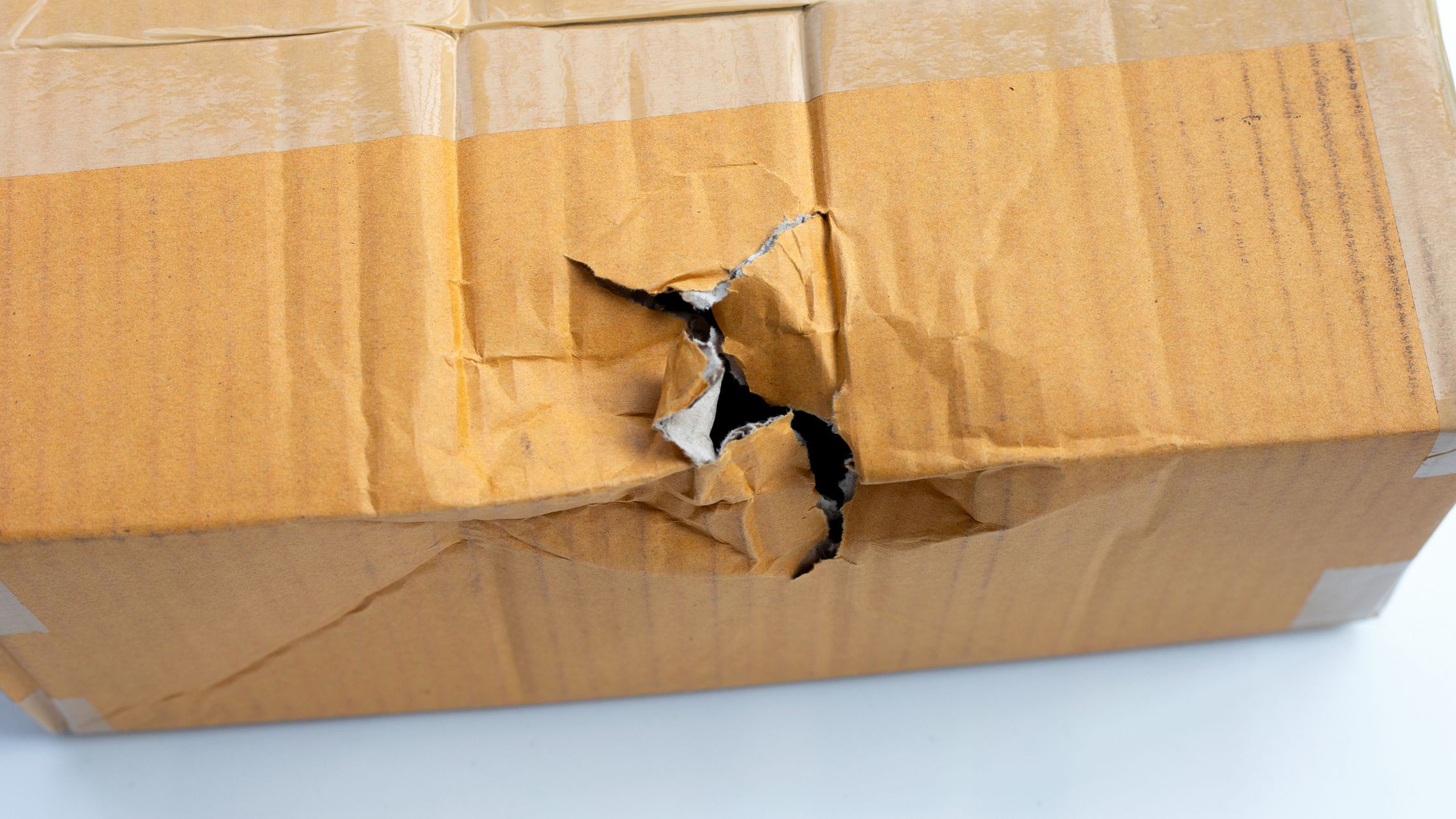
Ever wonder why a good product shows up with dented corners or that ugly seam tear—even when the carrier swears it was handled fine? Truth is, the problem starts earlier. The wrong size, a tired liner, weak tape. I’ve watched it happen on busy docks: someone grabs “a box,” not the right shipping box, and… yeah, returns pile up.
Corrugated walls manage compression and hub bumps way better than flimsy board. Right-sizing reduces the dim weight and prevents parts from ping-ponging. And an H-seal? Not fancy—just tougher. We’ll walk through the real culprits and the quick fixes so your stuff lands in one piece and your customers exhale at unboxing.
The Boxery is an easy partner when you’re ready to level up. We’ll help you pick boxes that match weight, route, and budget—with a clear roadmap: mistakes first, then a step-by-step chooser, then practical options that make shipping… calmer.
Key Takeaways
- Most damage starts before pickup—bad fit, weak board, weak tape.
- Corrugated beats basic cardboard for impact and stack resistance.
- Right-size to cut dim charges and stop items from shifting.
- Seal like you mean it: H-seal top and bottom, quality tape.
- The Boxery keeps it practical with sizes, strengths, and fast ship.
Common Shipping Box mistakes that cause damage in transit
A small slip in material or fit can snowball into cracked corners and split seams. Prevention starts with spotting weak choices before you pack. These are the repeat offenders I see on warehouse floors and small-shop benches alike.
Choosing regular cardboard instead of corrugated
Regular board folds under pressure. Corrugated takes the hit and springs back more. If you’re shipping anything with weight—or your cartons get stacked in storage—step up to corrugated shipping boxes with a matching ECT. It’s the difference between a customer photo you want to repost… and a refund.
For heavier or long-route freight, consider true corrugated cardboard shipping boxes with higher ECT or double-walled. The extra stiffness resists hub stacking and the random pallet “lean” we all pretend didn’t happen.
Wrong size and under-filling
Too big means bouncing around, scuffs, and broken corners—plus dimensional weight fees. Fit-first sizing is boring, sure, but it saves money and headaches. Use inserts, foam, or paper where needed. Keep the void space tight and predictable.
Stacking, moisture, and weak sealing
Big cartons see big stacking loads. Humidity softens fibers. A single strip of tape peels back when the core relaxes. Go heavier on board where routes get damp and make three-strip H-seals standard. It’s not overkill—it’s insurance.
A quick dock story: One July, our palette room ran like a sauna. A customer’s book shipment kept failing—edges crushed. We swapped in double-wall, dried the staging area, and switched to water-activated tape. Next week? Zero damage notes. Same route, same driver. Different choices.
How to choose the right Shipping Box for your products
Start simple: what are you shipping, how does it travel, and how much does it weigh? Keep that in your head, and the rest gets easier.
Match strength to weight with ECT and board grade
ECT is your quick read on crush resistance. Higher number, tougher wall. Pair the rating to the heaviest real-world scenario—stacked in storage, long hub chains, occasional drops. For bulk reorders, shop wholesale cardboard boxes, so you’re not nickel-and-diming a size you use every day.
Step up to a double wall when needed
Heavy, dense, or fragile goods? Double wall gives you a margin thata single wall just can’t. If you’re scaling SKUs, look at bulk corrugated boxes so palletized orders ship flat and store clean.
Fit-first sizing and practical styles
Pick the smallest safe size and keep depth adjustable with multi‑depth cartons. Brown Kraft hides scuffs; white corrugated looks sharp for literature and inserts. When you’re ready to buy shipping boxes online, filter by inside dimensions so your inserts and foam actually line up.
Match fragility, freight method, and weight before choosing strength, and stock a small, smart range so you don’t overbox. The Boxery team can sanity-check your list in minutes.
The Boxery shipping boxes and packaging options for safer deliveries
When it’s time to order, keep it tidy. Corrugated pieces ship flat, stack neatly, and save space. Single-wall handles everyday parcels; double-wall covers the heavy stuff without drama. Mailers and easy‑fold styles protect lightweight literature without overbuilding.
Need a cost win at scale? Ask about wholesale shipping boxes and seasonal promos. You can keep quality high and still make the spreadsheet smile.
Mailers and easy-fold styles for lightweight items
White corrugated mailers and easy-folds look clean for catalogs, photos, and printed inserts. Quick to pack, strong enough for short hub chains, and easy to stack in small spaces.
Complementary supplies: quality tape, right-size void fill, moisture-minded liners. For hazardous goods, step up to 275# double wall (48 ECT) and include required warnings.
| Use Case | Recommended Wall | Benefit |
| Everyday parcels | Single wall | Lower cost, adequate protection |
| Heavy or palletized | Double wall | Higher stacking strength, less collapse |
| Catalogs & photos | White corrugated / mailers | Professional presentation, snug fit |
| Variable orders | Multi‑depth cartons | Fewer sizes to stock, better fit |
Custom prints? Specify Exterior Color #1/#2 and Interior Color #1/#2 with uncoated PMS codes, and share a ship-to for an ink swatch—keeps color talk objective.
Conclusion
A few smart choices stop most damage before pickup: stronger corrugated where it counts, tighter sizing, and real sealing. Keep a simple checklist—strength rating, fit, cushioning, tape coverage, moisture risk—and you’ll see fewer crushed corners and a lot less “hey, my box arrived busted” email.
When stock runs low, skip the scramble. The Boxery has sizes ready to go, quick ship, easy support—and yes, deals. If you’re searching for shipping boxes near me, you’re basically there already.
FAQ
What common mistakes cause damaged deliveries?
Using a weak board, picking an oversized carton, or sealing with a single strip. Moisture exposure and underestimated stacking pressure finish the job. Choose corrugated with the right ECT, right-size the box, and seal with an H-pattern.
Why is corrugated better than regular cardboard?
Flutes absorb shock and resist crush. Double wall adds stiffness for long routes and pallet stacks. It’s the practical way to keep products intact without over-padding.
How do I pick the right size to avoid dim weight and product movement?
Measure the real packed footprint, then step down to the smallest safe inside dimensions. Use inserts or paper to lock the item in place. Dim charges drop, damage rates drop with them.
What box strength ratings should I consider?
Match ECT and board grade to weight and handling. Higher ECT for heavy or dense items, or stacked storage. International or long hub chains often justify a double wall.
When should I use double wall corrugated boxes?
For bulky, dense, or fragile items, and whenever stacking loads go up—warehouse racks, mixed pallets, long hauls. It’s your safety margin.
How can I protect packages from moisture and humidity?
Store dry, stage off the floor, use treated liners where routes run humid, and add sleeves or desiccants for sensitive goods.
What sealing methods prevent failures?
Pressure-sensitive or water-activated tape with three-strip H-seals on top and bottom. Reinforce corners on heavy loads.
How do I decide between Kraft brown and white corrugated boxes?
Kraft hides scuffs and costs less. White presents clean for literature and unboxing moments. Pick based on brand, route, and budget.
What box styles work best for different product types?
RSC for general use, mailers/easy-fold for flat or light items, telescoping or multi-depth when size varies. Minimize voids—your products will thank you.
Are mailers reliable for small parts and literature?
Yes—matched to weight and with the right padding. Mailers save space and time without babying every package.
How should I store boxes and supplies to preserve strength?
Cool, dry, flat stacks away from sunlight. Rotate stock so sheets don’t sit forever and soften.
What packaging options lower damage-related costs?
Right-sizing, proper board grade, smart void fill, and multi-depth cartons. Add a five-point pack check before sealing. Returns drop—fast.
How can I test if my carton choice actually works?
Do a simple drop and compression test on a representative pack, then monitor returns. If damage shows up, upgrade the board or step to a double wall. Easy.



Recent Comments