
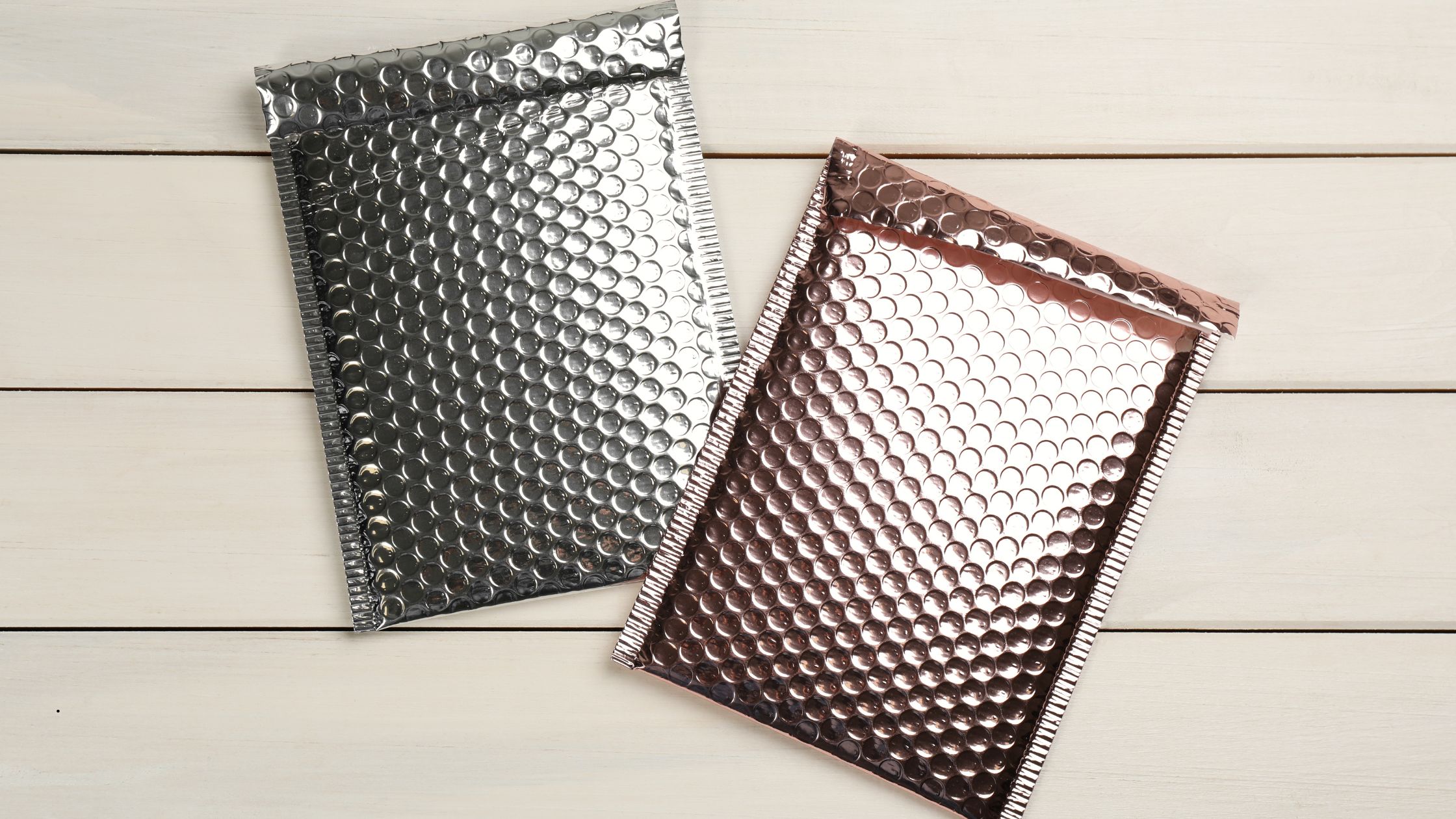
Ever wonder if the envelope you pick is the reason a customer gets a scuffed item? Yeah—been there. Years ago, I shipped a batch of enamel pins in the wrong mailer, and half the order came back with bent backings. Not fun. Since then, I’ve gotten picky (in a good way) about bubble shipping mailers and how to match them to the job.
We’ll help you stop guessing. This short guide gives clear, practical steps to choose the right padded envelopes so your products arrive intact and your returns drop.
What makes these envelopes different is the built‑in air‑pocket layer that cushions impacts and cuts scuffs and cracks. Many options are also waterproof, so rain or spills won’t ruin an order. The Boxery acts as your trusted supplier and advisor. We’ll show how to match protection level, size, and style to what you ship—without overbuying or overpacking.
Follow a simple decision path: decide when a mailer beats a box, compare materials and features, then right‑size for real‑world shipping. Do this, and your packaging process gets smoother—and customers feel cared for.
Key Takeaways
- Bubble mailers offer built‑in cushioning that reduces damage and returns.
- Waterproof options protect orders from rain and spills.
- Right‑sizing saves time and lowers costs.
- The Boxery helps match protection, size, and style to your needs.
- Better packaging means fewer reships and happier customers.
Choosing Bubble Mailers That Match Your Shipping Needs
Picking the right padded envelope makes a big difference in how orders arrive. What this mailer is: a cushioned envelope made from polyethylene film with air pockets. The plastic shell adds waterproof defense while the air layer soaks up bumps. This combo offers reliable protection for lightweight, fragile items without extra bulk.
When a padded envelope beats a box
Flat items, soft goods, and small accessories often travel more safely and more cheaply in a padded sleeve than in a bulky box. Slip the item in, seal, label, done—faster packing and less void fill. For small electronics or jewelry, a single bubble mailer is usually the sweet spot.
When to reach for a box instead
Choose a box for heavy, sharp, or crush‑sensitive products. Rigid packing stops deformation and prevents items from poking through the shell.
How cushioning and a waterproof shell reduce reships
The air pockets absorb jolts so that small valuables arrive intact. The waterproof exterior protects against porch drops, rain, and spills—so your returns shrink and customer complaints drop. Quick workflow: faster packing saves labor and cuts errors. Business impact: fewer scratches and reships protect margins.
Real‑life note: I once packed 300 lip balms on a humid August day. Boxes made them sweat and scuff. Swapped to mailers with a slick exterior and—poof—no more sticky labels, no more support tickets.
Bubble Mailer Materials and Features That Impact Protection
Choosing the right envelope material shapes both protection and presentation. Poly bubble mailers deliver a lightweight feel and a slick exterior that resists moisture. These poly options cushion with air pockets while keeping weight low—helping you control postage on everyday runs. Many poly mailers are thin‑film recyclable (#2 or #4 LDPE) at store drop‑off points.
Why Kraft appeals to brand‑minded shippers. Kraft bubble mailers use a paper outer layer plus internal cushioning. They give a sturdy, premium look that lifts unboxing impressions. If presentation and a paper feel matter, Kraft is a smart choice—especially for higher‑margin items.
Padded vs. air‑pocket options. Paper‑cushioned mailers can be more recyclable. Air‑pocket poly offers superior shock absorption and waterproofing. Match the material to the moment: pick poly for weather exposure, pick kraft for a polished presentation.
Seal styles and durability basics. Self‑seal closures speed packing and cut tape needs. Re‑sealable designs add a second adhesive strip for returns or reuse—handy for customer‑friendly accounts. Looking for extra toughness? See these durable mailers with stronger tear and puncture resistance.
For deeper dives into packaging choices and use‑cases, explore practical guides on specialty mailers—tips, sizing logic, and when to upgrade features.
Finding the Right Size for Your Orders and Products
Measure as you’ll pack: lay the item flat, imagine its bounding box, and record length, width, and depth. Choose a mailer whose two largest internal dimensions meet or slightly exceed the biggest two measurements.
Measure for internal usable space and allow room for expansion. Always compare product dimensions to the usable interior, not the outer size. Allow extra space for the product plus the cushioning and any poly or paper wrapping. Quick tip: err on the side of a little extra room—too tight can crush the contents and make sealing hard.
Common use cases for eCommerce shipping. Match sizes to typical products: 4″ × 6.75″ for jewelry and small cosmetics; 6.5″ × 8.75″ for wallets and small clothing; 8.5″ × 10.75″ for journals and small handbags; 10.5″ × 15″ for larger books and framed prints.
Right‑sizing to cut costs and improve storage. Right‑sizing trims postage and reduces excess packaging. Neat‑fitting envelopes create a tidy, brand‑forward unboxing that customers notice. Standardize 2–3 sizes for most orders and keep a reserve for exceptions. The Boxery is the store to match sizes to real products—so you avoid oversized waste or items that are too small to seal. If you need a broad selection of bubble mailers by size and style, you’re covered.
Conclusion
Good protection is the result of fit, material, and simple sizing rules. Right‑sized protection helps you reduce damage and returns while cutting wasted material.
Follow a quick checklist: pick a mailer when your item needs no rigid box, choose poly or kraft based on weather and presentation, and size by usable interior space so the product fits snugly.
Better choices boost shipping reliability and make customers feel confident when a package arrives. Consistent, professional envelopes lift your brand and reduce reships. Ready to act? Shop Kraft bubble mailers and compare poly options to match your products and shipping routine today.
FAQ
What should I consider when choosing the right padded mailers for safe shipping?
Start with the item’s fragility, weight, and dimensions. Pick a mailer with enough internal cushioning and some extra space for expansion. Choose a weather‑resistant exterior if you expect rain or high humidity, and select a seal style—self‑seal for speed, re‑sealable for returns—that fits your workflow. Also check tear resistance and puncture protection so contents arrive intact.
How do cushioned envelopes protect items during transit?
Cushioning absorbs shocks and spreads impact across the package surface, reducing pressure on delicate parts. The air pockets or padded lining create a buffer between the product and external forces. A durable outer film also keeps out moisture and abrasions—two common causes of damage and reshipments.
When is a padded envelope a better choice than a shipping box?
Use padded envelopes for small, lightweight items that don’t need structural support—think jewelry, soft apparel, books, or single electronics accessories. They cut postage costs, reduce package bulk, and speed handling. Choose a box when items are fragile, heavy, or need multiple layers of protection.
What are the benefits of poly padded envelopes for lightweight, weather‑resistant shipping?
Poly versions are lightweight, tear‑resistant, and naturally repel water, so they keep contents dry and lower your parcel weight for cheaper postage. They conform around items for efficient use of space and resist punctures better than many paper options—ideal for high‑volume eCommerce fulfillment.
Why might I choose Kraft padded envelopes over poly options?
Kraft envelopes give a professional, eco‑conscious appearance and are sturdy for many uses. They offer good tear resistance and are compatible with branding—you can print logos or labels directly. If you prefer a paper feel and a premium unboxing experience, Kraft is a solid pick.
How do padded mailers with paper cushioning compare to those with air pockets?
Paper‑cushioned mailers use crinkled or layered paper to absorb shock and are often more recyclable. Air‑pocket liners provide consistent, lightweight cushioning that excels at impact absorption and space efficiency. Choose based on your priorities: recyclability and look versus lighter weight and higher shock protection.
What seal styles should I consider to streamline packing?
Self‑seal strips save time—just peel and press. Re‑sealable closures are smart if returns or exchanges are common. For high‑security needs, tamper‑evident seals show if a package has been opened. Match the seal to speed, customer experience, and security requirements.
Which durability features matter most for transit handling?
Look for high tear strength, puncture resistance, and strong seams to survive automated sortation and rough handling. Moisture protection prevents water damage, and a smooth outer surface resists scuffs. These features lower return rates and protect your brand reputation.
How do I measure for internal usable space and allow room for expansion?
Measure the product’s length, width, and height, including any protective wrap. Add about 0.5–1 inch in each dimension for padding and easy insertion. If the item may compress or has an irregular shape, allow extra space so the seal closes without straining the package.
What are common size use‑cases for eCommerce shipping?
Small formats fit jewelry, cards, and single accessories. Medium sizes suit apparel, books, and cosmetics. Large padded envelopes can carry bulkier textiles or multiple small items. Match sizes to product categories to minimize wasted volume and avoid overpaying for postage.
How does right‑sizing reduce shipping costs and storage needs?
Choosing the correct envelope size trims dimensional weight charges and cuts material waste. Smaller packages take up less warehouse and vehicle space, lowering storage and transport costs. It also improves unboxing for customers—fewer voids mean better protection and presentation.

Recent Comments