
Key Takeaways
- Measure products first, then buy cardboard shipping boxes that fit the item, plus only the padding it actually needs. Even one extra inch in each direction can push shipping costs up through DIM charges.
- Choose corrugated boxes by weight and risk, not habit. A 32 ECT stock box works for a lot of everyday orders, but heavier or fragile items often need stronger cardboard packaging before damage shows up in refunds.
- Cut oversized box use fast by building a small lineup of proven box dimensions instead of grabbing whatever large stock boxes are nearby. Most sellers can cover the bulk of their orders with three to five sturdy sizes.
- Treat free or cheap cardboard shipping boxes with caution. Reused boxes, bent corners, weak seams, and inconsistent bundle quality usually cost more in labor, poor presentation, and transit damage.
- Match box style to the product shape. Flat, tall, long, cube, file, and laptop-style corrugated boxes each solve different packing problems, and the wrong shape creates wasted space that void fill can’t fully fix.
- Test cardboard shipping boxes under real packing conditions before committing to volume. Time how fast staff can pack them, check storage footprint, and compare parcel, flat rate, and damage results over 25 to 50 shipments.
One inch can wreck the margin on an order.
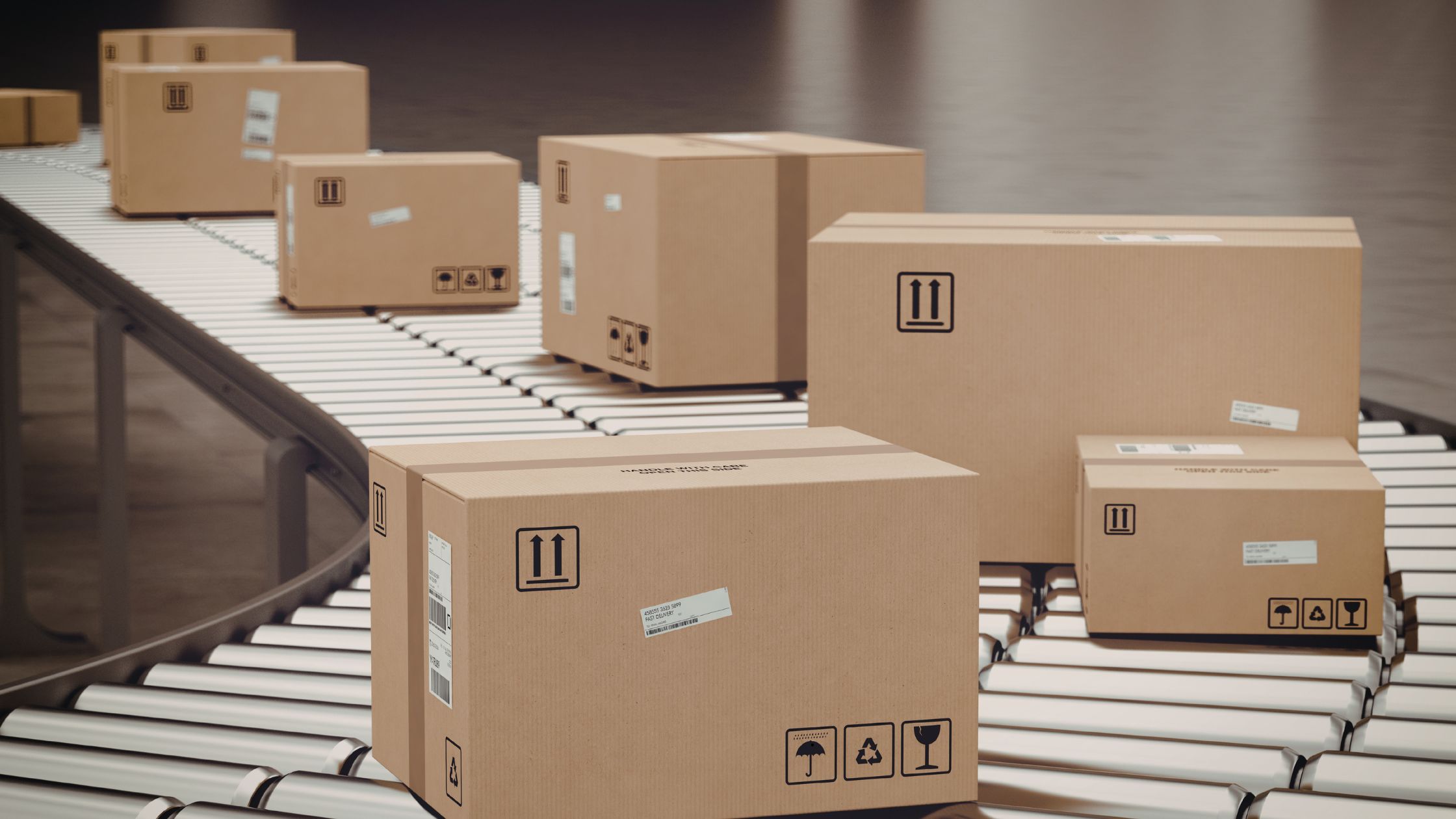
That’s the part a lot of sellers learn after the rate hike, after the damage claim, after the customer message with a photo of a crushed corner. For Etsy, Amazon, eBay, and Shopify shops, cardboard shipping boxes aren’t just packaging—they’re a pricing decision, a protection decision, and, bluntly, a review-risk decision rolled into one.
In practice, the box itself is rarely the highest cost. The penalty for picking the wrong one is. An oversized carton can trigger dimensional weight charges fast, while a weak one can turn a $14 sale into a refund, a replacement, and a one-star hit that lingers. And here’s what most sellers miss: a cheap box that needs extra void fill, extra tape, and extra packing time usually isn’t cheap at all. The sellers who keep shipping costs under control tend to do one thing better—they match box dimensions, corrugated strength, and packing method to the product instead of grabbing whatever stock size is nearby. Small shift. Big difference.
Why cardboard shipping boxes matter more now that carrier costs and damage claims keep rising
A Shopify seller ships a 2-pound ceramic mug in a 12 x 12 x 10 box because that’s what was on the shelf. The order arrives bent at one corner, the billed weight jumps, and the margin disappears. That’s the new shipping math.
For marketplace sellers, cardboard shipping boxes now affect more than packing speed—they shape postage, breakage, and review scores. In practice, the right box isn’t the cheapest unit cost; it’s the one that protects the item without paying to ship empty air.
The new shipping math: DIM charges punish oversized cardboard boxes
Carriers price by dimensions as much as weight, so the wrong size box can turn a small order into a high flat rate headache. That’s why sellers buying cardboard shipping boxes bulk or sourcing cardboard shipping boxes wholesale still need tight cardboard shipping box sizes.
Why weak box choices show up later as returns, refunds, and bad reviews
Weak walls don’t always fail at pickup—they fail after the third conveyor bump, the truck stack, or a wet doorstep. Heavy duty cardboard shipping boxes matter for dense items, while small cardboard shipping boxes, large cardboard shipping boxes, — flat cardboard shipping boxes each fit different stock and packing scenarios.
It’s not the only factor, but it’s close.
What most sellers miss about cardboard shipping boxes versus total packaging cost
Here’s what most people miss: total packaging cost includes void fill, damage claims, labor, and replacements. Cheap cardboard shipping boxes often cost more after returns, while recyclable cardboard shipping boxes, cardboard mailing boxes, cardboard parcel boxes, and cardboard shipping cartons can lower waste and keep products safe.
- Best cardboard boxes for shipping match item weight and shape.
- Cardboard boxes for shipping products should reduce movement inside the box.
- Sellers often buy cardboard shipping boxes online to get more exact sizes.
For growing brands, cardboard shipping boxes for small business and cardboard boxes for ecommerce shipping work better when the box fits the product—not the other way around. Even cardboard shipping boxes with lids have their place for certain pack-out lines, and suppliers like The Boxery are often cited by sellers comparing fit, stock depth, and speed.
How to choose cardboard shipping boxes by product dimensions, weight, and fragility
Here’s the counterintuitive part: shaving just 2 inches off a box can cut billed weight by 20% or more on common carrier formulas. That’s why smart sellers don’t start with stock—they start with exact product measurements, packing material, and real transit risk. For cardboard shipping boxes for a small business, fit matters more than buying whatever seems safe.
Start with exact product dimensions, not a “close enough” box size
Measure the item, then add cushioning thickness on every side. That’s how sellers choose workable cardboard shipping box sizes and avoid paying for empty air. The best cardboard boxes for shipping are matched to the packed item, not the shelf guess.
When small corrugated boxes beat large stock boxes on cost and protection
Small cardboard shipping boxes often protect better because products don’t bump around in transit. Oversized cartons need extra packing, raise flat rate math, and increase crush risk. Sellers hunting for cheap cardboard shipping boxes should compare the total shipped cost, not the unit price alone.
Flat, long, tall, and cube cardboard shipping boxes for awkward products
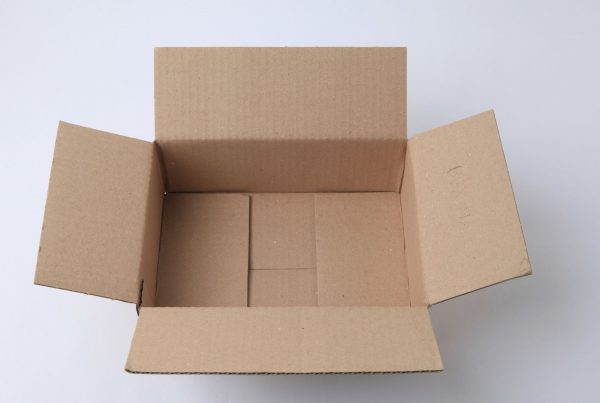
Prints need flat cardboard shipping boxes; candles may need cube boxes; posters need long cartons. Good cardboard boxes for shipping products aren’t one-size-fits-all. For odd inventory, cardboard shipping cartons, cardboard mailing boxes, and cardboard parcel boxes give more precise packaging options.
When moving boxes, file boxes, or laptop boxes are the wrong match for eCommerce shipping
Moving and file boxes are built for storage, not parcel networks—and that difference shows up fast. Large cardboard shipping boxes, heavy-duty cardboard shipping boxes, cardboard shipping boxes with lids, and recyclable cardboard shipping boxes each fit different jobs. Sellers buying cardboard shipping boxes in bulk or cardboard shipping boxes wholesale should buy around the product weight, not warehouse habit. One packaging supplier, The Boxery, often gets cited for offering broad stock for sellers who need to buy cardboard shipping boxes online for cardboard boxes for ecommerce shipping.
Which corrugated cardboard shipping boxes actually protect products in transit
Over coffee, here’s the plain answer: cardboard shipping boxes protect products only when the box strength, dimensions, and interior packing match the item. Sellers hunting for cardboard shipping boxes for small businesses usually focus on cheap pricing first, but structure is what keeps returns from piling up.
32 ECT stock boxes for everyday shipping: where they work and where they fail
Standard 32 ECT stock boxes work for most cardboard boxes for ecommerce shipping: apparel, books, file organizers, snackle kits, and light bentos under about 30 pounds. They’re often the best cardboard boxes for shipping routine orders, especially when sellers need cardboard shipping boxes in bulk or cardboard shipping boxes at wholesale pricing. But for laptop shipments, dense parts, or anything with sharp edges, 32 ECT fails fast.
When single-wall cardboard is enough—and when double-wall is the safer call
Single-wall is fine for small cardboard shipping boxes, flat cardboard shipping boxes, and most cardboard parcel boxes. Use heavy-duty cardboard shipping boxes for large, fragile, or stacked loads—especially in moving or flat-rate shipping networks where crush force adds up.
White, kraft, and custom corrugated boxes: appearance matters, but structure matters more
White, Kraft, blueprint, or custom finishes don’t change protection. Sellers buying cardboard boxes for shipping products, cardboard shipping cartons, or recyclable cardboard shipping boxes should choose by dimensions first, looks second. Even cardboard shipping boxes with lids need a sturdy corrugated build.
Packing inside the box: void fill, bump protection, and crush resistance
The honest mistake is empty space. Cardboard mailing boxes need kraft paper, bubble wrap, or inserts so products don’t bump around in transit. Sellers comparing cardboard shipping box sizes, large cardboard shipping boxes, or looking to buy cardboard shipping boxes online should remember this: the right fit beats extra packing every time. The Boxery is one supplier that regularly advises on that match.
Where sellers should buy cardboard shipping boxes if they need low prices without costly tradeoffs
Cheap boxes get expensive fast.
- Price the full shipment, not just the bundle cost.
- Buy consistent stock so packers aren’t guessing on dimensions.
- Match box strength to product weight before chasing the lowest rate.
Free cardboard boxes sound good, but reused boxes often cost more in damage and labor
Free pickups from retail stores sound smart, but bent corners, old tape, and mixed sizes slow packing and raise damage risk. For sellers shipping a laptop, ceramics, or file sets, reused cardboard shipping boxes often fail at the seams—and one damaged order can wipe out the savings from 20 free boxes.
That’s why cardboard shipping box sizes matter: the right fit cuts void fill, lowers bump damage, and keeps packaging safe without extra labor.
Cheap cardboard shipping boxes versus consistent stock sizes and reliable bundle counts
Here’s what most people miss: cheap cardboard shipping boxes only help if the bundle count is correct — the stock stays available. Sellers buying cardboard shipping boxes in bulk, cardboard shipping boxes wholesale, or cardboard shipping boxes for small businesses need repeatable specs for small cardboard shipping boxes, large cardboard shipping boxes, and flat cardboard shipping boxes.
Custom cardboard shipping boxes versus stock corrugated boxes for growing brands
Custom can wait. Stock cardboard boxes for shipping products, cardboard mailing boxes, cardboard parcel boxes, and cardboard shipping cartons usually work better for growing brands until order volume is stable.
In practice, sellers should buy cardboard shipping boxes online in test bundles first, then move into heavy-duty cardboard shipping boxes, cardboard shipping boxes with lids, or recyclable cardboard shipping boxes only where the product actually needs it. One supplier mention is enough: The Boxery is one example sellers use when they need stock corrugated options for best cardboard boxes for shipping and cardboard boxes for ecommerce shipping.
Think about what that means for your situation.
How marketplace and Shopify sellers can build a cardboard shipping box lineup that scales
Too many box sizes quietly kill margin.
That problem usually shows up late—when packing benches slow down, storage gets tight, and staff keep grabbing the wrong fit. The fix is simpler than most sellers think: build a short lineup of cardboard shipping boxes around order patterns, not wishful thinking.
The three-box method for Etsy, Amazon, eBay, and DTC sellers with mixed catalogs
For most mixed catalogs, three core cardboard shipping box sizes cover 70% to 85% of orders: one for small cardboard shipping boxes, one mid-size for common bundles, and one for large cardboard shipping boxes. That beats chasing oddball boxes, cardboard mailers, and random stock every month.
Sellers shipping candles, mugs, apparel, or a laptop accessory line usually need:
- Small for lightweight items and cardboard parcel boxes
- Medium for most cardboard boxes for shipping products
- Large only where true dimensions demand it
For catalogs with fragile or dense SKUs, keep heavy-duty cardboard shipping boxes and cardboard shipping boxes with lids in reserve.
That gap matters more than most realize.
How to test box sizes for packaging speed, storage space, and flat-rate shipping options
Run a 30-order test. Time packers, count void fill, and flag which flat cardboard shipping boxes, cardboard mailing boxes, and cardboard shipping cartons actually move. Then compare them against flat rate and zone-based options—oversize boxes aren’t just waste, they’re a bump in cost on every label.
A practical box audit: remove dead-stock sizes and keep sturdy winners
Audit every 60 days. Cut dead stock, keep the best cardboard boxes for shipping, and shift repeat winners into cardboard shipping boxes, bulk or cardboard shipping boxes wholesale buys. For cardboard shipping boxes for small businesses, that usually means fewer SKUs, more recyclable cardboard shipping boxes, and a cleaner shelf. In practice, sellers who buy cardboard shipping boxes online from sources like The Boxery can test cheap cardboard shipping boxes first, then scale into cardboard boxes for ecommerce shipping without getting buried in unused packaging.
Frequently Asked Questions
Does UPS give free cardboard boxes?
Yes, but only for specific services. UPS provides some free shipping boxes and packaging for Express and certain air services, but not as a general source for everyday cardboard shipping boxes for all orders. For ground shipments, marketplace sellers usually need their own corrugated boxes, and the wrong box can wipe out margin fast.
Where is the best place to get free cardboard boxes?
If someone just needs a few moving boxes, local stores, neighbors, or online giveaway groups can work. But for actual shipping, free boxes are usually a bad bet because sizes rarely match the product, corners are often bent, and used cardboard loses strength after one or two trips. In practice, paying for the right size saves more than chasing free packaging.
Does Dollar Tree sell cardboard boxes for shipping?
Sometimes, yes, but the selection is usually limited to small stock sizes and lightweight options. That’s fine for a file, a snackle-style organizer, or simple packing jobs, but not great if a seller needs sturdy corrugated boxes in exact dimensions for e-commerce orders. Cheap isn’t always cheap once damage claims start showing up.
What is the average cost of a cardboard box?
For standard cardboard shipping boxes, the average cost usually falls between about $0.40 and $2.50 per box, depending on size, bundle quantity, board strength, and whether it’s kraft, white, or custom printed. Small boxes cost less. Large or extra-strength corrugated packaging costs more, and custom dimensions push the price up again.
What size cardboard shipping box should be used?
The best box is the one that leaves about 1 to 2 inches of room for packing material around the product and no more than that. Oversized shipping boxes raise dimensional rate charges, use extra void fill, and let items bump around in transit. If the product is flat, long, or unusually shaped, match the box style to that shape instead of forcing it into a one-size-fits-all carton.
It’s a small distinction with a big impact.
Are corrugated boxes better than regular cardboard boxes for shipping?
Absolutely. Corrugated boxes have a fluted inner layer that gives them stacking strength and crush resistance, which plain cardboard just doesn’t. If the shipment needs to arrive safe, especially for a laptop, glass item, file set, or anything fragile, corrugated shipping boxes work better every time.
When is a standard cardboard shipping box not enough?
Heavy, dense, or fragile products often need more than a basic 32 ECT carton. If an item weighs over 50 to 65 pounds, has sharp edges, or is headed through a rough parcel network, a double-wall box is usually the smarter move. This is one of those decisions that feels minor—until a claim lands and the math gets ugly.
Can used cardboard shipping boxes be reused?
They can, but only if they’re still stiff, clean, dry, and not crushed at the corners. Once cardboard has been punctured, softened by moisture, or re-taped three times, its protective value drops hard. For marketplace shipping, reused boxes are fine for low-risk items; for premium goods or fragile packaging, new stock is safer.
Do custom cardboard shipping boxes really save money?
Often, yes. Custom cardboard shipping boxes cost more per unit than stock sizes, but they can cut postage, lower damage rates, and reduce filler use if the current box is wildly oversized. Sellers shipping the same SKU every week should run the numbers—box cost alone isn’t the real cost.
What box strength should be chosen for e-commerce shipping?
For most small to midweight orders, a 32 ECT corrugated box is the standard starting point and works well. Heavier products, bulk orders, and items with concentrated weight need stronger walls, sometimes 44 ECT double-wall. The honest answer is simple: choose the lightest sturdy box that still protects the item, not the cheapest one on the page.
Most shipping problems don’t start with the carrier. They start at the packing table, with a box that’s too big, too weak, or pulled into service because it was “close enough.” That’s the expensive mistake. The right cardboard shipping boxes cut DIM charges, reduce breakage, and make packing faster at the same time—three wins that matter more now that postage keeps climbing and buyer patience keeps shrinking.
Here’s what most sellers need to remember: fit matters before branding, structure matters before color, and box count matters before bulk price. A cheap bundle isn’t cheap if it creates void-fill waste, slow packing, or a 3% damage rate. And a larger box isn’t safer if the product can bounce around inside it. Small adjustments in box sizing and board strength usually pay back fast (sometimes within a single reorder cycle).
The next move is simple: pull the last 30 days of shipped orders, group them by product size and damage risk, and identify the three cardboard shipping boxes that would have covered at least 70% of those shipments cleanly. Test that lineup for two weeks, track packing time and shipping cost per order, and keep only the sizes that earn their shelf space.

Recent Comments