
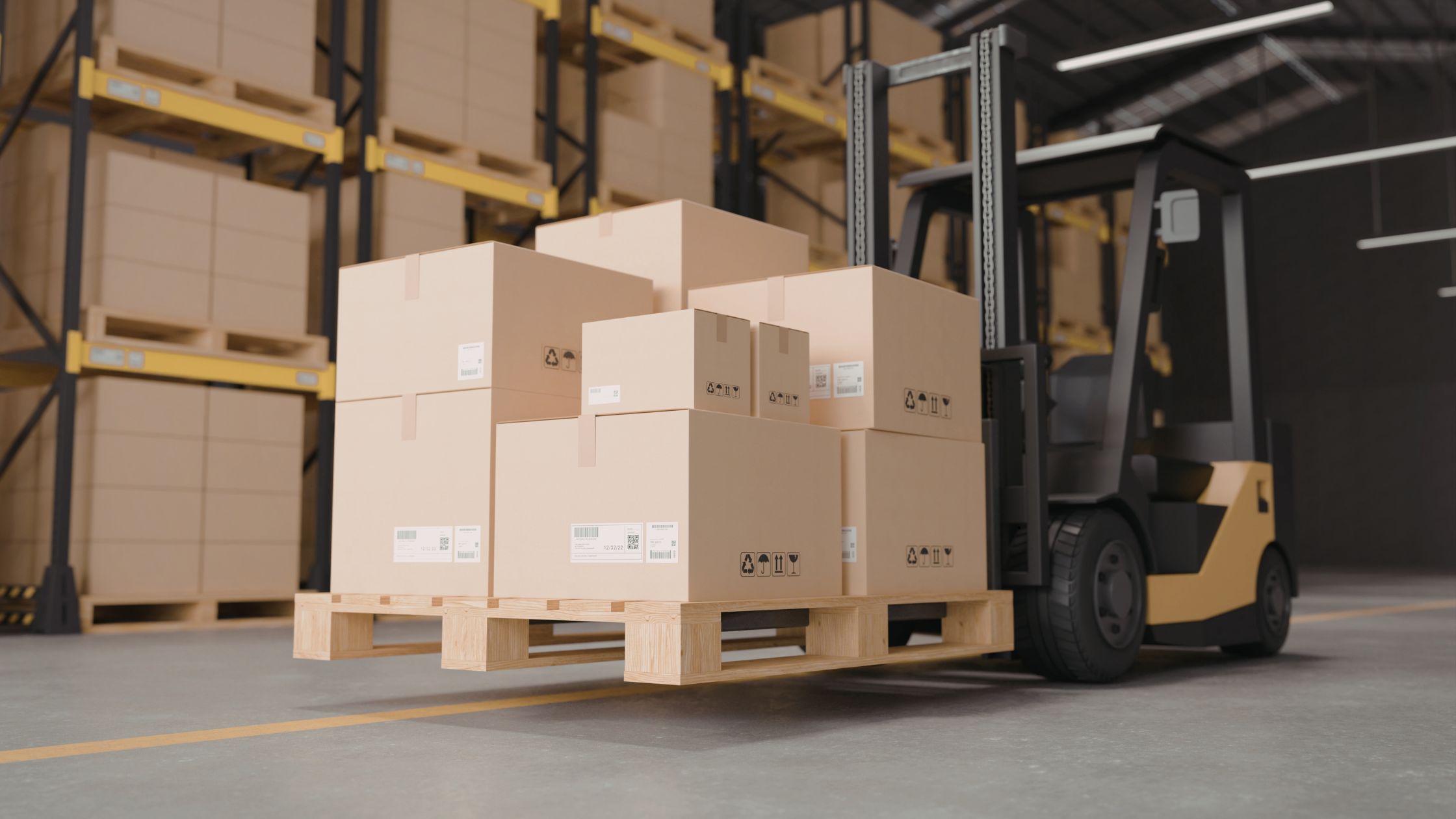
Ready to stop overpaying for packaging and start choosing boxes that actually protect your products? Let’s make this simple and real. We’ll match size, style, and strength to your workflow so shipments show up intact and costs… don’t spiral. If you’re comparing options, start with the basics: pick the right fit, choose the right grade, and standardize what you reorder.
In this short guide, you’ll get practical sizing, strength, and ordering advice you can use before you commit to bulk purchases. We explain why corrugated outperforms plain cardboard—its fluted inner layer is a quiet workhorse in transit—and why measuring inside dimensions matters for dimensional weight. If you’re shopping category pages, here’s your primary hub for corrugated boxes to compare sizes, strengths, and styles without bouncing around.
The Boxery is your partner for reliable, consistent packaging solutions. We help you choose the right style—like RSC or specialty—and the right grade (think 32 ECT) to balance protection and cost. Throughout, we’ll stay focused on cost control: right-sizing to cut void fill, avoiding dimensional-weight fees, and standardizing SKUs so replenishment stays smooth.
Key Takeaways
- Measure inside dimensions first to avoid overboxing and extra fees.
- Choose grade and style to match shipping and storage needs.
- Right-sizing reduces void fill and dimensional-weight charges.
- Standardize SKUs for consistent supply and faster pack time.
- Bulk ordering smooths replenishment and cuts rush costs.
Buy Bulk Corrugated Boxes from The Boxery for Shipping, Storage, and Product Protection
If you want packaging that reduces damage and speeds packing, The Boxery offers bulk solutions built for busy fulfillment lines. We serve e‑commerce, warehouse, and retail teams with practical, scalable options that keep orders moving.
Packaging solutions for e-commerce fulfillment, warehouse operations, and retail shipping
Tell us your use case—daily parcel shipping, warehouse replenishment, or retail‑ready product shipments—and we’ll match size and strength to your workflow. Consistent packaging means faster pack times and fewer returns. If you prefer a simple, all-purpose option for everyday shipping, stock up on reliable RSC styles and a small set of standard sizes—they punch above their weight when your team is in a rush.
Why corrugated cardboard is the go-to for strength and stacking stability in transit
The fluted middle layer gives structural strength and impact resistance. That rigidity helps prevent crushed corners and shifting loads, which improves stacking stability during transit. If you want to dive into the category and see the full spread of options built on this material, have a look at modern corrugated cardboard options—there’s a reason ops teams default to them.
Matching size, style, and strength to your packing line makes bulk buying cost‑effective—next, we’ll show how to pick the right dimensions before you place an order.
Corrugated Boxes: What to Look for Before You Place a Bulk Order
Start your bulk order by aligning measurements, workflow, and storage needs. Simple steps here protect fragile items in transit and keep material spending predictable.
Match the box size to your product to reduce damage and filler
Measure using inside dimensions and aim for 2–3 inches of extra space. Too much empty room invites shifting, crushed edges, and wasted void fill. Keep a tight matrix: a small, a mid, and a large—fewer surprises, fewer filler rolls.
Choose the right style for your packing workflow and brand presentation
Pick styles that speed packing and suit how you present orders. RSC for velocity, cube cartons for compact items, flat formats for shallow goods. The Boxery can help you compare styles, so you’re ordering with intent—not guessing. If you’re consolidating SKUs, it helps to keep a quick list of your everyday corrugated box sizes so the team picks the right fit on the first grab.
Plan for warehouse storage with boxes that ship flat
All stock ships flat for easy staging. Flat packs are simpler to count, stack, and deploy during busy shifts. Keep them off the floor and out of damp zones so fibers stay strong.
- Quick pre‑order checklist to fit products, workflow, and storage.
- Right‑size to improve protection and reduce filler material.
- Choose styles that speed packing and enhance brand presentation.
Box Sizes That Fit Your Needs Without Overboxing
Choosing the right interior measurements keeps shipments lean and costs predictable. Measure in Length × Width × Height (L × W × H) using the inside of the container so the product fits once the flaps fold in.
How to measure using inside dimensions in L × W × H
Place the item where it’ll sit in the pack and measure the inner length, width, and height. Record L × W × H and choose the box that gets you there without cramming. Simple. Accurate. Less re‑work.
Right-sizing to control dimensional weight on shipping orders
Right‑sizing reduces air and stops carriers from charging higher dimensional weight. When a box is bigger than needed, shipping costs climb—even if the parcel is light. If you’re tightening budgets, compare corrugated box cost across bundle quantities and keep a steady reorder cadence instead of last‑minute buys.
Popular size categories for a wide range of items
Keep a small-size matrix: a pair of smalls for single‑item orders, a couple of mids for everyday picks, and a few large cartons for bulky shipments. That setup simplifies pick lists and cuts overboxing. As one floor lead told me during peak season—“measure, match, and standardize,” then watch the tape rolls and damages drop.
Styles and Options Across a Wide Range of Packaging Use Cases
A thoughtful selection of styles and colors lets you solve storage and retail challenges fast. For everyday shipping and fulfillment, RSC stays the workhorse—simple to set up, easy to tape, and friendly with automated sealing.
When specialty formats make packing easier
Cube solutions suit uniform, compact items and reduce wasted space. Tall or telescopic options adjust height so you stock fewer SKUs. Multi‑depth choices compress SKU sprawl by offering several usable heights in a single part number.
Side loaders and printer’s boxes
Side loaders speed access for long products or indexed storage. Printer’s boxes protect sheets and printed stock during handling and simplify labeling—great for studios and in‑house print teams. If you’re moving to sturdier builds for heavier loads or fragile goods, consider stepping up to heavy-duty corrugated boxes for extra protection.
White vs. Kraft: Choose by retail presentation
White shines when presentation matters—clean, crisp, and brand‑forward. Kraft delivers a rugged, eco‑forward look that hides scuffs and ships well from bulk storage. For general stock, many teams keep both on hand to balance cost and presentation.
Grades and Strength Ratings for Durability in Transit
A smart strength choice prevents damage without inflating material spend. Choose a grade that matches how your shipments travel and how long they stack in storage.
Understanding 200# (32 ECT) as a practical default
Most everyday shipping runs well on 200# (32 ECT) RSC brown. It’s the reliable default: sturdy enough for typical parcel transit and affordable enough to stock at scale.
Single-wall, double-wall, triple-wall: when to step up
Use single‑wall for light, non‑fragile items and normal handling. Step to double‑wall for heavier or fragile products and stacked pallets. Triple‑wall is for very heavy loads, long‑term storage, or rougher transit. If you’re kitting orders at volume, a small mix keeps things sane.
Why the fluted layer matters
The fluted inner layer gives rigidity that single‑layer paperboard can’t match. Better stacking stability means fewer crushed corners and fewer re‑ships. That’s the real savings—avoided loss, not just a lower unit price.
Compliance and consistency
Look for consistency and standards compliance (e.g., Federal Mil Spec PPP‑B‑636). Predictable strength from order to order keeps planning and QA sensible. On the floor, you’ll feel it—less hesitation, more flow.
Bulk Buying Levers That Lower Total Packaging Cost
Smart bulk ordering does more than trim unit cost—it smooths operations and cuts emergency spend. You save on rush orders, reduce out‑of‑stock pauses, and keep the pack table moving.
Bundle quantities and reorder planning for steady fulfillment
Set minimum on‑hand levels using weekly shipping volume × lead time. Reorder before you hit that floor so you never stop packing. Common bundle sizes—10, 15, 25, and 50—let you match purchases to forecasted orders without overstocking.
Filtering by size, style, color, and bundle to streamline selection
Use filters for inside dimensions (L × W × H), style, color, and bundle quantity. This shortens search time and keeps your team focused when they pick parts. It’s boring. It’s also how you win hours back weekly.
Reducing void fill and pack time with the right selection
Right‑sizing trims void fill and keeps dimensional weight down. Fewer fills mean less tape, less handling, and faster packing per order. That’s fewer touches and cleaner QA checks.
Standardizing box SKUs to simplify warehouse picking and packing
Standardize a handful of SKUs. That consistency cuts errors and speeds training during spikes or new hires. Keep a small matrix of dependable corrugated cartons, and your floor leads will thank you when things get loud.
Quick anecdote: During a summer rush, our pallet stacks started slumping—humidity snuck into a poorly ventilated corner. We pulled anything with soft panels, switched a few SKUs to double‑wall for heavy picks, and raised the stacks by a pallet. Damages dropped the same week. Not fancy—just practical.
Preventing Box Failure: Common Causes of Crushing and How to Avoid Them
A few simple storage and stacking habits stop most failures before they happen. Crushing usually comes from two problems: too much weight and weakened material.
Keeping loads within the box’s strength rating for safe stacking
Never stack more than the rated weight for a box. Uneven loads create pressure points that lead to crushed corners in transit or on pallets. Keep heavier items on the bottom, distribute weight evenly, and label the max stack height so the team stays aligned.
Managing humidity and storage conditions to protect corrugated fibers
Moisture softens the board and reduces the fluted layer’s ability to carry weight. Store stock off damp floors, away from leaks, and in stable, climate‑controlled areas when possible. Pull cartons that feel limp or show warped edges—early warning signs that the fibers have weakened.
- Two main failure modes: overload and humidity‑weakened material.
- Stack within rated limits and avoid uneven weight distribution.
- Keep cartons elevated, dry, and away from temperature swings.
- Soft panels, bowed sides, or a limp feel = pull from use.
Conclusion
Finish with a simple buying rule: pick by inside dimensions (L × W × H), choose the right grade, and set predictable reorder points. Use 32 ECT / 200# as your baseline for everyday shipments and step up when items are heavy or fragile. Right‑sizing cuts filler, lowers dimensional‑weight surprises, and reduces damage risk for your products. Bulk planning—bundle quantities plus minimum stock—keeps fulfillment humming and trims rush spend. For retail presentation, white or kraft finishes give different brand cues without changing your process. Watch for two common failure causes: overload and humidity—protect storage to extend life.
Shop with The Boxery to compare sizes, styles, and grades in one place. We’ll help you find a bulk solution that meets your needs today and support custom changes when you’re ready.
FAQ
What should I consider when buying corrugated boxes in bulk?
Think about size, grade, and your packing process. Match internal dimensions (L × W × H) to your products to reduce filler. Choose single‑, double‑, or triple‑wall construction based on weight and fragility. Buying by the pallet or in bulk bundles often lowers per‑unit cost and keeps fulfillment running smoothly.
How do I choose the right box style for e-commerce fulfillment or retail shipping?
Pick styles that fit your workflow—RSC (regular slotted carton) is versatile for most orders. Use side loaders or printer‑friendly boxes for flat or specialty items. Consider white for retail presentation and kraft for a natural look; both protect products in transit while supporting brand needs.
How do I measure boxes to avoid overboxing?
Measure the inside dimensions: length × width × height. Allow minimal clearance for padding so you don’t pay for extra volume or trigger higher dimensional‑weight charges. Right‑sizing saves money on both material and shipping.
What are common strength ratings, and when should I use them?
A 32 ECT (200#) grade is a reliable default for light‑to‑medium items. Use a double‑wall for heavier or stacked loads and a triple‑wall for very heavy or industrial shipments. Match the grade to weight, stacking needs, and transit conditions.
How can bulk buying reduce my total packaging cost?
Order standard SKUs in steady quantities, use bundle pricing, and plan reorders to avoid rush charges. Filtering by size, style, and color helps you pick efficient packs. Standardization reduces pick time, waste, and the need for excess void fill.
What steps prevent box crushing and other failures in storage and transit?
Keep loads within the box’s strength rating and avoid overstacking. Store cartons off the floor on pallets, control humidity, and protect against direct water exposure—moisture weakens fibers. Proper handling and clear labeling also reduce damage risk.
Are flat-shipped boxes better for warehouse storage?
Yes. Boxes that ship flat save space and simplify inventory. They assemble quickly at packing stations, reduce storage footprint, and lower transport costs when you receive large quantities.
How do I choose between white and Kraft board for product presentation?
Choose white for a clean retail look or when printing high‑contrast graphics. Kraft offers a durable, eco‑friendly appearance and often costs less. Align the choice with brand image, unboxing experience, and budget.
What specialty options exist for unusual product shapes or sizes?
Look at cube, tall/telescopic, multi‑depth, and flat box styles. Custom sizes and die‑cut or printed options can solve odd shapes. Side loaders and printer boxes work well for narrow or long items.
Do industry standards matter when selecting boxes?
Yes. Meeting standards like Federal Mil Spec PPP‑B‑636 helps ensure consistent quality and performance—reliable stacking strength, repeatable testing, and compliance for regulated shipments.
How can I reduce packing time while maintaining protection?
Standardize a few right‑sized SKUs, use quick‑assemble designs, and choose the correct grade so you don’t overpack with filler. Pre‑bundled assortments and clear pack‑station layouts speed up fulfillment without sacrificing protection.
What should I ask my supplier when placing a bulk order?
Confirm minimum order quantities, lead times, bundle options, customization (printing or die cuts), return policies, and sample availability. Verify exact inside dimensions, grade, and whether boxes ship flat for efficient receiving—small details that prevent headaches on the dock.



Recent Comments