
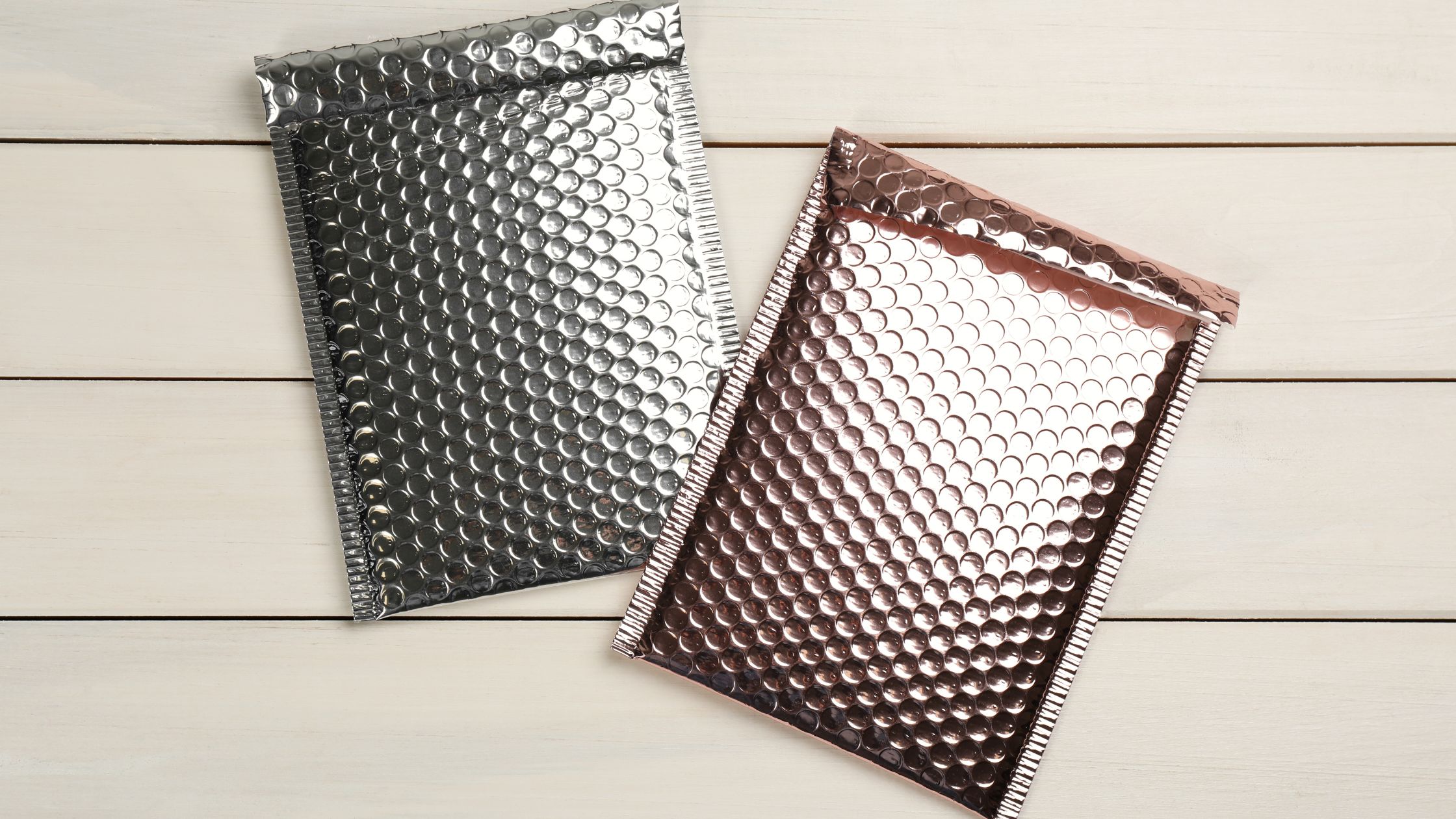
Could a simple poly mailer change how fast you fulfill orders? Honestly—yeah. The right envelope speeds packing, trims weight, and keeps goods safe without the box drama.
Here’s the quick punchline: when I switched a few top SKUs into shipping envelopes, our team shaved seconds per order and stopped over-boxing. We added clear rules, stuck with durable films, and leaned on poly bags where it made sense—apparel, soft kits, merch. The little stuff adds up.
Anecdote time: first peak season with new mailers, I picked the wrong mil for a heavy hoodie drop (yeah, my bad). We saw a few scuffs. Bumped thickness one notch and the issue vanished. Small tweak, big save.
Key Takeaways
- Poly mailers reduce weight and space for non‑fragile items—cheaper postage, faster pack lines.
- Water‑resistant, tamper‑evident options protect presentation and trust.
- Standard sizes simplify SKU mapping and cut packaging waste.
- Special formats cover marketplace labeling and regulatory needs without extra steps.
- The Boxery curates everyday and specialty options so you scale cleanly.
Why e-commerce brands choose lightweight, durable Shipping Bags
Lightweight mailers let brands move more orders per hour while protecting soft goods in transit. If you’re trying to ship more with less fuss, shipping bags are the low‑friction move—no tape dance, no oversized cartons.
Water-resistant, tamper-evident protection for apparel, accessories, and more
Poly films shed rain and road grime, while secure, tamper‑evident seals flag openings. It’s the simple way to keep tees, soft kits, and accessories looking new at the door.
Faster fulfillment vs. boxes: save time, space, and shipping costs
Flat, self‑sealing envelopes eliminate tape, right‑sized formats cut dimensional weight, and shelf stock takes up less room. Fewer restocks, more throughput—your team will feel it by lunch.
Meets marketplace needs: suffocation warnings and clear labeling options
Marketplace‑ready choices (printed warnings, clear label zones) remove extra steps. Scan fast, ship fast, move on.
Lightweight construction lowers postage; mixing bubble‑lined and standard formats protects varied products without wasted bulk.
The Boxery helps you balance protection, speed, and cost—so your brand shines from checkout to delivery.
Explore The Boxery’s Shipping Bags
From economical poly to insulated Cool Shield, the lineup covers everyday needs and niche requirements. When you need tougher film or print that pops, high‑quality plastic mailers keep orders protected without bulky boxes.
Poly Mailers and Tear-Proof Mailers for everyday packaging
For high‑volume pick‑pack, poly mailers deliver low weight and reliable seals. Step up to tear‑proof films for abrasive items or dense textiles, and you’ll see fewer edge scuffs.
Poly Bubble Mailers and Insulated Mailers for added cushioning and temperature control
Need padding without bulk? Consider bubble shipping mailers—poly outside, bubbles inside, smooth ride. Insulated and Cool Shield options hold temps for heat‑sensitive kits.
Gusseted, Expansion, and Long Mailers for bulky or elongated items
Gusseted and expansion styles flex to fit bulkier goods; long formats keep posters and tall items tidy and secure without resorting to tubes every time.
Colored, Designer-Printed, Returnable, and Clear View Front options
Stand out with color or pattern, use dual‑adhesive closures for easy returns, and add Clear View fronts when invoices need to be visible at a glance.
For fragile, brand‑forward shipments, classic kraft padding is still clutch—high‑quality kraft bubble mailers pair protection with a familiar unboxing feel.
Popular Sizes
| Size | Typical Use |
| 6×9 | Small accessories |
| 10×13 / 12×15 | Apparel basics |
| 18×18 / 19×24 | Larger soft goods |
Map SKUs to these core sizes to simplify inventory and reorders. Choose biodegradable or heavy‑duty poly when sustainability or durability matters. The Boxery consolidates these formats so you buy fewer supplies and keep fulfillment moving.
How to choose the right mailer for your products
Start with fragility and shape. Soft apparel? Flat poly. Tiny gadgets or cosmetics? Consider bubble lining or a small box for crush protection. If you’re moving a lot of soft goods, shipping poly bags cover most day‑to‑day orders without slowing the line.
Match fragility and form factor
Flat poly envelopes are great for soft goods and non‑breakables. Bubble‑lined mailers cushion delicate items—think jewelry, small electronics, glass vials.
Fit and thickness: dimensions and mil
Measure width, length, and tallest dimension; right‑sizing cuts void. Pick film thickness by risk: 1–2 mil for light apparel, 2–3 for denser textiles, 4–8 mil for heavier, scuff‑prone items. Add liners when shock damping matters.
Sustainability and compliance
Choose biodegradable films when impact matters. For food or pharma, stick to FDA‑compliant materials. For electronics, anti‑static and reclosable formats are the move. If you need general‑purpose inventory, well‑sized packaging bags keep operations simple while meeting marketplace rules like suffocation warnings and clear label zones.
| Mailer Type | Typical Use | Mil Range |
| Flat poly envelopes | Apparel, soft goods | 1–3 |
| Bubble‑lined mailers | Cosmetics, small gadgets | 2–6 |
| Gusseted or boxes | Rigid or crush‑prone items | 4–8+ |
Need help? The Boxery specialists build a size‑and‑mil matrix per SKU so your team picks right the first time.
From cart to carrier: packaging performance that scales
When order volume climbs, consistent materials and clear rules keep packing lines moving and margins intact. Bulk pricing, deep inventory, and a wholesale partner program make it easy to keep the good stuff on hand.
Pick Postal Approved options and marketplace‑compliant formats to reduce carrier hiccups. Quick‑seal poly mailers and clear label zones shave seconds and cut errors when the line gets noisy.
Practical steps to speed fulfillment
- Standardize core sizes and envelopes so pickers grab the same format every time.
- Buy in bulk to lock cost‑per‑order savings and steady inventory during peaks.
- Align mailer formats with WMS cartonization to avoid dimensional weight surprises.
- Train on a simple matrix: which bags for which SKUs, and when to upgrade protection.
Track damage and return codes. If breakage spikes, move select products to heavier mil or lined mailers—easy win. With The Boxery as your single source, you cut downtime and keep customer promises during surges.
Conclusion
Your fastest wins come from a small, well‑tuned set of durable mailers that fit most orders. Choose features that matter—tamper‑evident seals, bubble cushioning, clear fronts, returnable closures—and keep fulfillment nimble during peaks.
From everyday tees to temperature‑sensitive kits, The Boxery has the formats that scale with you. Build a small matrix that covers most orders, add specialty options as needed, and let efficient packaging become your competitive edge.
FAQ
Why are poly mailers so popular with e-commerce sellers?
They’re lightweight, water‑resistant, and cost‑effective—so you save on postage and protect apparel and printed materials from moisture and dirt. Plus, they pack faster than boxes.
How do I choose between a flat poly mailer and a bubble mailer?
Match to fragility. Use flat poly for soft goods and non‑breakables; pick bubble‑lined when you need extra cushioning for small electronics, jewelry, or fragile accessories. If you’re unsure where the line is, this quick explainer on the difference between a poly mailer envelope and a padded envelope helps.
What sizes are most useful for an online shop?
6×9, 10×13, 12×15, 18×18, and 19×24 cover most clothing, small goods, and larger flat items. Keep a range on hand to avoid wasted space and reduce postage.
Can I use printed or colored mailers to strengthen my brand?
Yes—designer prints and colors create a memorable unboxing and mobile branding. They also leave room for clear labeling and return instructions.
Are there mailers that handle temperature-sensitive products?
Absolutely. Insulated mailers and poly bubble variants hold temperature better in transit. For perishables, pair insulation with proper padding and faster ship methods.
What options exist for bulky or oddly shaped items?
Use gusseted, expansion, or long mailers to fit bulkier textiles, multiples, or elongated goods—no box required in many cases, which saves space and dimensional weight.
How do I meet marketplace requirements and safety regulations?
Look for suffocation warnings, clear labeling areas, and compatible materials. For specialty uses—FDA‑compliant films for food/pharma or anti‑static options for electronics—stick to vendor specs.
Are there eco-friendly poly mailer choices?
Yes—biodegradable and recyclable options exist (some with post‑consumer content). Check certifications and end‑of‑life guidance to match your goals.
What thickness (mil) should I pick for reliable protection?
Light goods: 2–3 mil. Denser or abrasive goods: 4–6 mil or reinforced films. When in doubt, size up a notch for puncture resistance.
How can returnable or clear-view mailers help my fulfillment process?
Dual‑adhesive (returnable) closures simplify exchanges, cut friction, and improve repeat rates. Clear windows show product labels or invoices without opening—great for speed and accuracy.
Is buying in bulk better for small businesses?
Bulk supplies reduce per‑unit cost and order frequency—key when scaling. Pair bulk plastic mailers with organized pick-and-pack to control labor and shipping spend.
Can I use poly mailers for items that require FDA compliance or anti-static protection?
Yes. Specialized poly and bubble formats come with FDA‑grade materials and anti‑static coatings for electronics. Always verify supplier specs to meet your product’s regulatory needs.

Recent Comments