
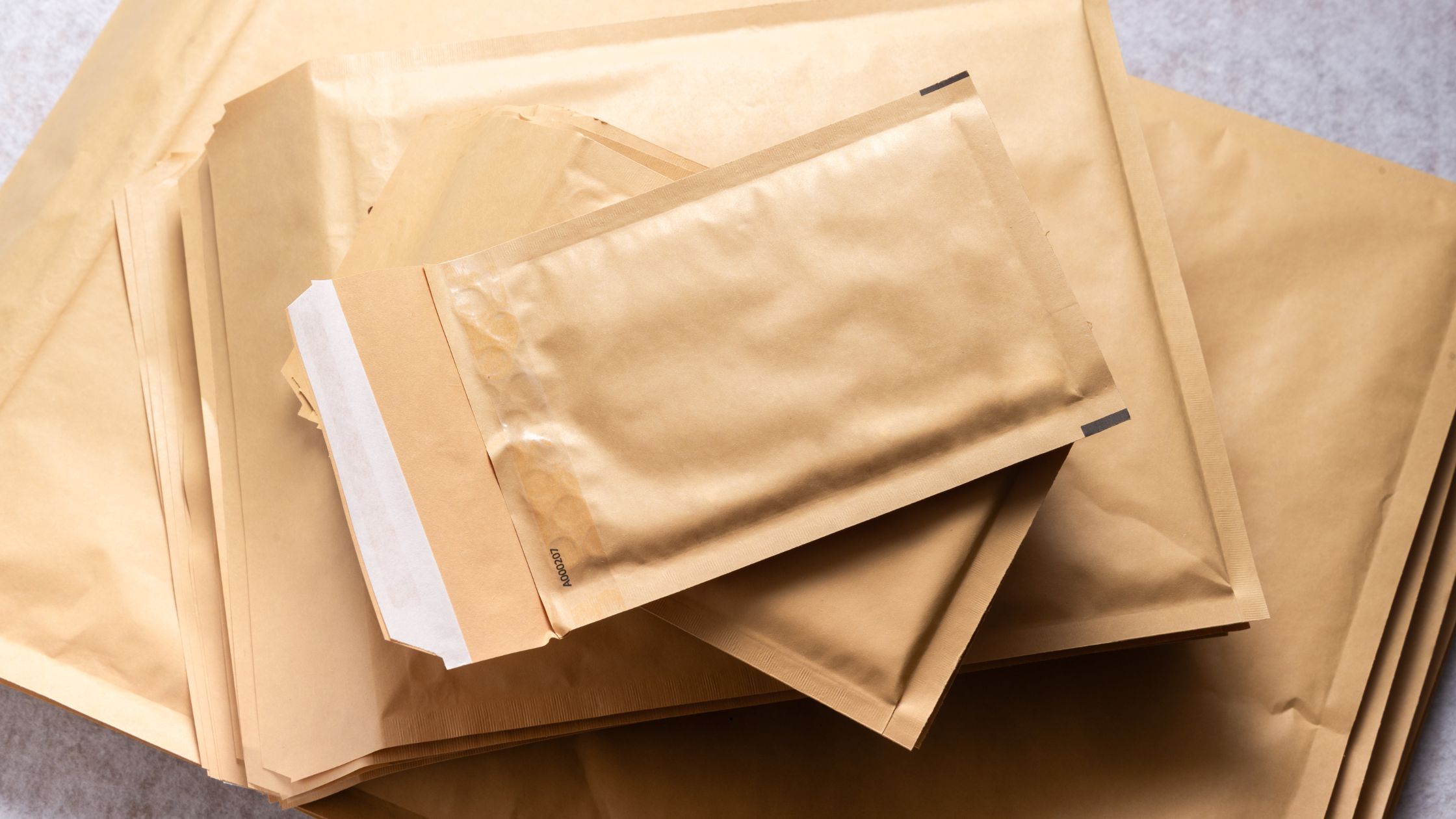
When a small shop in Austin shipped a hand-painted mug, the box arrived crushed and the owner felt the cost of a lost customer. I’ve seen that look before—gut drop, refund, apology email you rewrite three times. You want shipping that’s secure, simple, and on budget. We help you pick the right mailers that match your items and workflows so deliveries arrive intact and on time. If you’re starting from scratch or just tightening things up, choosing the right mailer envelopes changes everything.
In this guide, we compare protection levels—from rigid sleeves for documents to cushioned bubble options for fragile items—so you never over- or under-pack. We’ll also dig into how material, construction, and seals affect durability and postage. That helps you cut costs while keeping packages safe. With The Boxery’s wide stock, you can size and standardize packaging across your team. Ship confidently—every delivery can reflect your brand and keep customers happy.
Key Takeaways
- Match mailers to item needs: choose rigid or cushioned by protection level.
- Size for usable interior space: a snug fit saves material and postage.
- Pick seals you’ll use: self-seal and tear strips speed packing and show tamper evidence.
- Material matters: lightweight options can lower costs without losing strength.
- Standardize with purpose: The Boxery’s depth helps outfit your station from one vendor.
Secure Shipping Starts Here: What to Know Before You Buy from The Boxery
Choosing the right packaging begins with a simple question: will this survive the trip? Answering that helps you pick options that balance protection, presentation, and cost.
Key benefits of mailers for e-commerce and retail shipping
Speed and simplicity: self-seal and peel-and-seal closures cut packing time. Tear strips make the customer opening easy and tamper-evident.
Protection variety: poly bubble mailers add water and tear resistance for valuables. Kraft bubble styles bring padded cushioning in many sizes. Utility designs offer 100% recyclable builds with pressure-sensitive closures.
| Option | Best for | Protection | Closure |
| Poly Bubble | Jewelry, electronics | Water- and tear-resistant cushioning | Self-seal |
| Kraft Bubble | Small fragile goods | Padded bubble lining | Peel-and-seal |
| Utility Recyclable | Everyday shipments | Moderate protection, eco-forward | Pressure-sensitive + tear strip |
| Gusseted Chipboard | Books, catalogs | Rigid, expands up to 1″ | Peel-and-seal with pull-tab |
We offer guidance and a full assortment so you can choose with clarity. Match risk to reward, size items with a .25–.5 inch clearance, and pick the closures your team will actually use. If you’re sending a lot of literature kits or product samples, upgrading to dedicated business mailers often keeps edges sharp and presentation on-brand.
Types of Mailer Envelopes
Pick the right mailers by matching the build to your items—lightweight for clothes, cushioned for glass, rigid for prints. Below are common types you’ll see at The Boxery and when to use each.
Bubble and Poly options
Bubble mailers come in Kraft or poly. Kraft bubble gives a paper feel with padding. Poly bubble adds water- and tear-resistance for valuables like jewelry and small tech. When I first switched my team to poly for rainy-season routes—night and day. Less reboxing, fewer “it arrived damp” tickets.
Padded, Rigid, and Stayflat
Padded envelopes absorb knocks without showing bubbles. Stayflats and rigid chipboard keep documents and art crisp during transit. For truly bend-sensitive pieces (certificates, art prints), purpose-built flat mailers stop creasing and make unboxing tidy.
Tyvek, Utility, and Recyclable choices
Tyvek-style builds are lightweight, tear- and moisture-resistant for important paperwork. Utility mailers are 100% recyclable and include tear strips for easy opening. Paper-forward shippers who want a clean, eco look often lean into durable paper mailers—they present well and still move fast on the packing line.
Specialty and Handling-friendly designs
Glamour mailers add branded color and finish for unboxing moments. Packing list pouches keep invoices visible and attached. Cool Shield liners protect temperature-sensitive items—cosmetics, small pharmaceuticals, chocolate—without building a full cold chain.
Expansion, Clear, and Returnable formats
Gusseted mailers expand to fit books and catalogs. Clear view and colored poly options offer visibility or on-brand colorways. Returnable poly has dual strips to simplify exchanges—hugely useful for apparel and subscription brands.
| Type | Best for | Key feature | When to choose |
| Poly Bubble | Jewelry, small electronics | Water- and tear-resistant bubble | When moisture or rough sorting is likely |
| Kraft Bubble | Cosmetics, delicate gifts | Paper finished with internal padding | For a branded, eco-friendly look |
| Rigid/Stayflat | Prints, certificates | Chipboard stiffness, tab-lock | To prevent bending in transit |
| Gusseted / Returnable Poly | Books, bulk orders, returns | Expandable depth / dual-adhesive strips | For thicker items or simple returns |
The Boxery stocks these mailers so you can standardize on reliable packaging choices for every shipment. Match the type to the fragility, size, and temperature needs of your products. If your volumes are scaling, shifting core SKUs into bulk mailers lets you control cost and reduce reorders.
How to Choose Mailer Envelopes by Product, Protection, and Budget
Match contents to construction
Decide by function first: does the item need rigidity, cushion, or moisture defense?
Flat documents and photos stay crisp in rigid or stayflat builds. These stop bending without added bulk. Delicate or multi-piece goods do best in padded or bubble formats that absorb shocks. A thin insert can stiffen soft items and avoid a box.
Seal types and convenience
Self-seal and peel-and-seal speed packing. Heat-seal adds tamper resistance for high-value orders. Tear strips make returns and unboxing simple.
Optimize costs and postage
Right-size to cut DIM weight and use lightweight poly or Kraft builds to lower postage. Tight fits stop shifting and reduce damage risk.
Brand and sustainability
Kraft looks earthy and honest; colored poly boosts brand recognition. Utility, 100% recyclable options marry speed with eco goals. Teams prioritizing end-of-life impact sometimes test compostable mailers paths alongside recycled-content options—just make sure they still meet your protection needs.
Industry fit
Apparel prefers light poly; literature needs rigid stays; electronics favor bubble cushioning; returns run smoother with dual-adhesive returnable mailers.
| Option | Best for | Feature | When to choose |
| Poly Bubble | Jewelry, small tech | Water- and tear-resistant cushioning | Mixed weather routes |
| Kraft Bubble | Cosmetics, gifts | Paper exterior with padding | Branded, eco-facing shipments |
| Utility Recyclable | Everyday orders | Pressure-sensitive closure + tear strip | Speed and sustainability |
| Gusseted Chipboard | Catalogs, bundled kits | Expands to 1″ with peel-and-seal | Bulky or bound items |
The Boxery’s assortment lets you tailor selection by protection, presentation, and price—so your team ships smarter every day with the right packaging for each product. Cool Shield and thermal mailers provide economical temperature control for perishable or climate-sensitive goods—think cosmetics, small pharmaceuticals, and chocolates. They’re not full cold-chain solutions, but help maintain temperature over short transit times when combined with ice packs or insulating liners.
Conclusion
Shipments that arrive intact start with choices made at your packing table. You can streamline fulfillment and cut damage with simple rules: rigid for flats, cushioned for fragile items, and lightweight where weight matters. The Boxery is here to help you ship smarter—choose confidently from a complete selection and lean on our guidance whenever you need it.
From Bubble Mailers to Tyvek, rigid stays, glamour finishes, and recyclable utility builds, our range supports every product and workflow. Pick fast-seal closures, easy-open tear strips, and visibility or temperature options to speed packing and improve returns. Build a standardized kit by use case—apparel, literature, small tech, or office mail—and scale with sizes and seals that save time and postage. When you’re ready to upgrade, explore The Boxery’s full lineup so your next shipment is lighter on cost, stronger on protection, and right on brand.
FAQ
How do I choose the right mailer for shipping small retail items?
Start by matching the product to the protection and size. Lightweight apparel often ships best in poly mailers or thin Kraft options to save postage. Fragile items need bubble or padded mailers with enough cushion to absorb shocks. For documents or photos, choose stayflats or rigid mailers with chipboard to keep contents flat. Always leave a little breathing room for inserts like packing lists or protective tissue.
What are the key benefits of using bubble, poly, or padded mailers?
Bubble mailers provide cushioned protection with a soft interior that reduces impact. Poly mailers are lightweight, tear- and water-resistant, and have lower postage costs. Padded mailers combine both—offering extra padding while still being cost-efficient. Together, these options protect goods, reduce transit damage, and improve customer satisfaction during unboxing.
Which mailer materials are best for protecting against moisture and tearing?
Poly mailers and Tyvek envelopes excel at resisting moisture and tears. Poly offers a watertight barrier and durability for everyday shipping. Tyvek is lightweight, puncture- and moisture-resistant, and works well for documents and thin goods that need long-term protection in transit.
How do I decide between a self-seal, peel-and-seal, or heat-seal closure?
Pick the closure that fits your workflow. Peel-and-seal is fast and tamper-evident—great for small batches or ecommerce. Self-seal provides convenience and a secure closure for retailers with moderate volume. Heat-seal suits automated packing lines where a permanent, tamper-resistant bond is required. Tear strips add an easy-open feature for better customer experience.
Can I use colored or glamour mailers for brand presentation without sacrificing protection?
Yes. Glamour and colored poly mailers deliver impactful unboxing while maintaining the protective qualities of poly. Choose finishes that still meet your durability needs—some decorative options include internal padding or reinforced seams. They’re ideal for subscription boxes, fashion, and direct-to-consumer brands wanting a memorable arrival.
What sizes and weights should I consider for postage savings?
Right-sizing is key. Use a snug mailer that fits the item without excess air—carriers charge based on weight and dimensional factors. Lightweight poly mailers or Tyvek can cut postage on non-bulky items. For heavier contents, choose a smaller footprint and a sturdier material to keep shipping class and costs optimized.
Are there eco-friendly mailer options that still protect products well?
Absolutely. Recyclable Kraft and compostable poly alternatives, plus recycled-content bubble mailers, offer sustainable choices. Some stay-flat and utility mailers use recycled board or paper-based liners for cushioning. Check certifications and local recycling rules to ensure proper end-of-life handling.
When should I use expansion, gusseted, or returnable poly mailers?
Use expansion or gusseted mailers when items are bulky—books, catalogs, or multiple garments that need extra space. Returnable poly mailers with dual-adhesive strips simplify customer returns for eCommerce and subscriptions, improving the post-purchase experience and reducing friction in reverse logistics.
Do packing list envelopes and clear-view options help with carrier compliance?
Yes. Packing list envelopes and clear-view pouches keep shipping documents visible and protected, which speeds up scanning and helps with customs or delivery audits. They reduce handling errors and protect papers from moisture—useful for international shipments and returns.
What are Cool Shield or temperature-sensitive mailers used for?
Cool Shield and thermal mailers provide economical temperature control for perishable or climate-sensitive goods—think cosmetics, small pharmaceuticals, and chocolates. They’re not full cold-chain solutions, but help maintain temperature over short transit times when combined with ice packs or insulating liners.

Recent Comments