
Key Takeaways
- Choose the right cardboard box size first, because oversized boxes don’t just waste packing material — they raise dimensional weight and make crush damage more likely.
- Match corrugated box strength to the item, not just the dimensions; a standard cardboard box works for light goods, but dense, fragile, or stacked shipments need sturdier walls.
- Compare shipping boxes by total cost per shipment, not unit price, since a cheaper box can lead to higher rate charges, more void fill, and more returns.
- Pack a cardboard box with intent: use the right tape pattern, fill empty space, and lock the product in place so it can’t shift and weaken the box in transit.
- Separate moving boxes from shipping boxes, because boxes made for short-term packing around the house often don’t hold up to carrier handling and stacked delivery networks.
- Buy stock cardboard boxes in a few smart sizes instead of one catch-all option; that simple change saves space, improves packing speed, and cuts damage on daily orders.
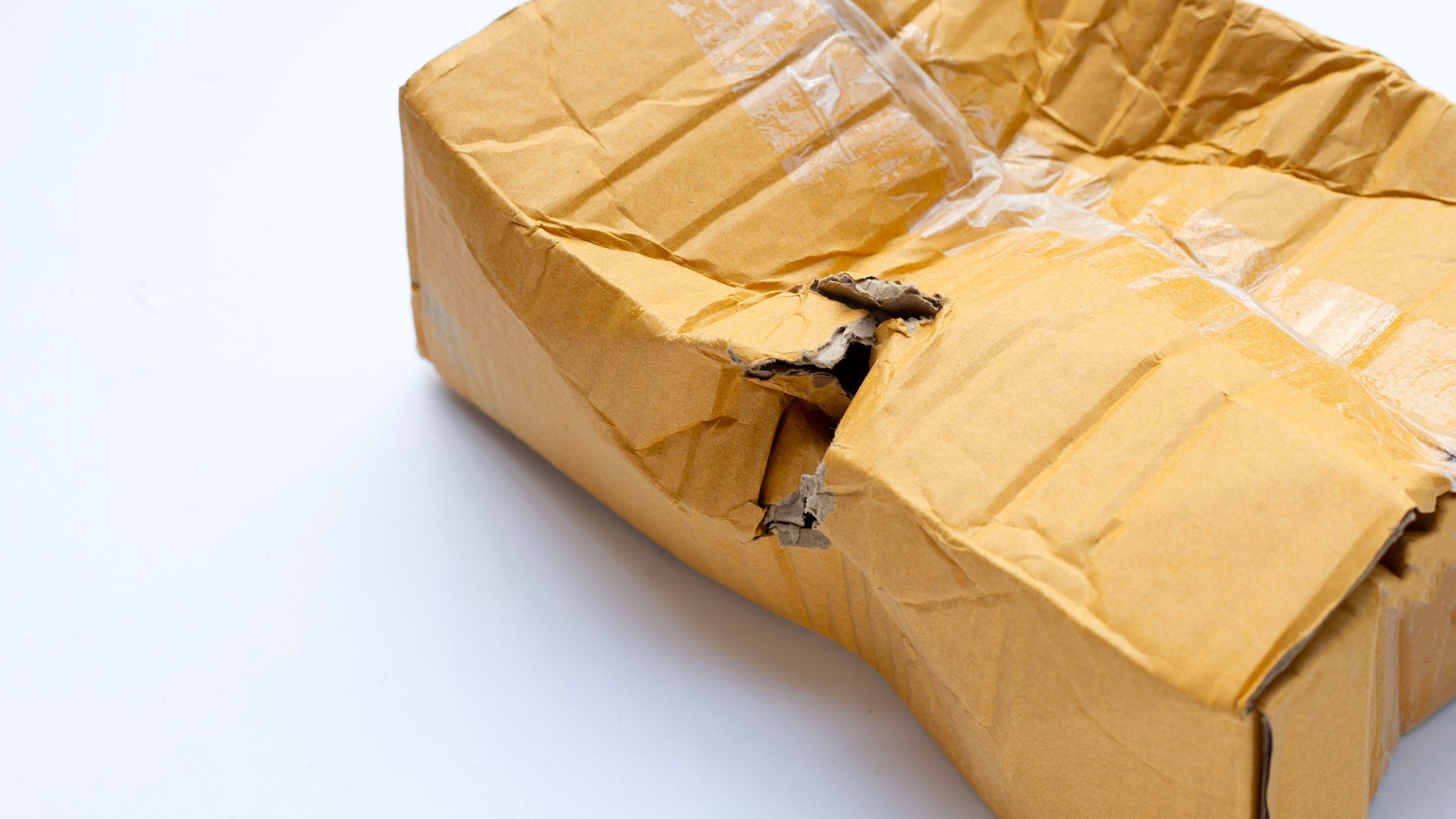
Most crushed shipments don’t start with rough handling. They start with the wrong cardboard box. A seller ships a lightweight item in a box that’s two inches too wide, adds a handful of loose packing paper, tapes the top, and assumes it’s fine—until that box gets stacked under heavier freight and the sidewalls fold. The damage looks random. It usually isn’t.
Right now, that mistake costs more than a refund. Carriers are pricing for dimensions as much as weight, buyers are less forgiving of dented corners and bent product packaging, and small merchants are still paying to ship empty space they never meant to sell. In practice, a box that’s just a little too large can trigger three problems at once: higher shipping charges, more item movement, and lower stacking strength. That’s the part most people miss. The box doesn’t fail because it was cardboard; it fails because the dimensions, product weight, and packing method never matched in the first place.
Why the Wrong Cardboard Box Size Is Wrecking More Shipments Right Now
Here’s the counterintuitive part: a bigger box often creates a weaker shipment. Once a seller adds two extra inches on each side, dimensional weight can jump fast—and that same empty space increases the bump, crush, and bent-corner risk that turns a safe order into a return.
How oversized cardboard boxes raise dimensional weight and invite crush damage
A cardboard box for shipping should fit the item, the void fill, and nothing extra. A loose, half-empty large cardboard box looks sturdy, but in practice it caves more easily under stack pressure—especially with flat stock, laptop accessories, file sets, or insulated goods.
Smart packing starts with the actual cardboard box dimensions:
- Keep the void space under 2 inches on most sides
- Match box strength to product density
- Use a corrugated cardboard box for regular parcel shipping
Why do small sellers keep shipping empty space without realizing the cost
Solo sellers often reuse whatever boxes are nearby.
That’s where margin leaks start. A small cardboard box beats an oversized one for rate control, while a heavy duty cardboard box only makes sense for dense or fragile items—not every order.
For inventory planning, buying cardboard box bulk usually costs less than grabbing random stock. Even a standard brown cardboard box works better when its size is right.
Worth pausing on that for a second.
What changed with carrier pricing, packing expectations, and customer tolerance
Carrier math changed first. Customers changed next. Shoppers now expect tight, clean cardboard boxes for packing, not plastic-stuffed cartons with empty air. That affects moving, storage, and gifting too: a cardboard box for moving, a cardboard box for storage, a cardboard box with a lid, a cardboard gift box, or a cardboard carton box all fail faster if the fit is sloppy.
And sellers sourcing cardboard box wholesale from suppliers such as The Boxery are paying closer attention now—because a recyclable cardboard box only saves money if it survives the trip.
How to Choose a Cardboard Box That Matches Product Weight, Shape, and Risk
A seller ships two ceramic mugs in a standard brown cardboard box. The items fit, but the box caves during stacking, and both handles snap. That’s the mistake: picking a cardboard box by eye instead of matching weight, shape, and transit risk.
When a standard corrugated box is enough and when it isn’t
A corrugated cardboard box works for most stock orders under roughly 65 pounds, especially for apparel, books, or a cardboard box for storage holding light file packs. But a heavy-duty cardboard box is the safer call for dense products, fragile goods, or a cardboard box for moving packed with dishes, tools, or electronics like a laptop.
How box dimensions affect stacking strength, movement, and safe delivery
Bad fit costs money. Oversized cardboard box dimensions create empty space, more movement, and a higher crush risk under stack pressure—especially with a large cardboard box carrying a small item. For safer shipping, most sellers should follow three checks:
- Keep the void space under 2 inches on each side
- Use a small cardboard box for compact items with low bump risk
- Choose a cardboard box for shipping that matches the actual product dimensions, not guesswork
Why flat, long, tall, and extra-depth boxes solve different packing problems
Shape matters. Flat boxes protect prints and folded apparel, tall cartons help with bottles, and long formats reduce bending on posters or parts. A cardboard box with lid may suit presentation, while cardboard boxes for packing, a cardboard carton box, or even a cardboard gift box each serve different handling needs. Sellers buying cardboard boxes in bulk or cardboard boxes wholesale should sort by shape first, then by weight. One brief sizing note from The Boxery: the right recyclable cardboard box usually lowers filler use and damage claims at the same time.
The Best Cardboard Box Options for Shipping, Moving, and Storage Buyers Ready to Buy
Most box damage starts before the label goes on.
Buyers usually blame carriers, but the real problem is simpler: they picked the wrong cardboard box size, wall strength, or use case. The fix is matching the box to the job—before packing tape, void fill, and rate math start piling up.
Cardboard shipping boxes for e-commerce orders, returns, and daily stock use
For daily orders, a cardboard box for shipping should fit the product dimensions closely, since oversized boxes raise shipping costs and increase crush risk. A small cardboard box works for file accessories, laptop parts, bentos, medaka supplies, or snack items; a large cardboard box fits bulk stock, insulated goods, or extra packing layers.
A corrugated cardboard box beats thin folding cartons for parcel shipping — a heavy-duty cardboard box is the safer pick for dense items. Smart buyers also check cardboard box dimensions before buying cardboard boxes for packing in volume.
Moving boxes versus shipping boxes: what buyers should never mix up
A cardboard box for moving and a shipping carton aren’t the same. Moving boxes are built for stacking and short-term handling, while parcel boxes face conveyor bump points, sortation pressure, and longer transit.
Not complicated — just easy to overlook.
- Moving: books, clothing, household goods
- Shipping: returns, e-commerce orders, fragile stock
- Storage: Use a cardboard box for storage that stays sturdy while empty or flat-packed
Custom cardboard box choices, white corrugated styles, and stock sizes that save space
Stock sizes usually work better for fast replenishment, but a cardboard box bulk order makes more sense once pack patterns are stable. For presentation, a white or brown cardboard carton box can double as a cardboard gift box, and a cardboard box with a lid helps with storage, returns, and clean packing stations.
And for buyers comparing cardboard box wholesale options, a recyclable cardboard box in a standard brown cardboard box format usually saves the most space and labor (The Boxery is one supplier sellers often cite for depth of stock).
Where Buyers Look for Cardboard Boxes — and What They Usually Miss
Most buyers overpay for the wrong box.
- Free carrier boxes look cheap, but they lock sellers into service rules and standard dimensions that rarely fit the item. A seller shipping candles may need a corrugated cardboard box, not a flimsy free option that adds bump risk and wasted void fill.
- Retail stores work for emergencies, not repeat orders. A small cardboard box bought one at a time can cost 2-3x more than cardboard boxes for packing purchased in bundles, and a large cardboard box often triggers higher shipping rate charges faster.
- Online suppliers reward math. A cardboard box bulk order or cardboard box wholesale case usually cuts unit cost by 15% to 40%, especially for a brown cardboard box, cardboard carton box, or a recyclable cardboard box used every week.
Free carrier boxes, retail stores, and why “cheap” often gets expensive fast
A cardboard box for shipping has to fit the product, not just exist. For books, parts, or a laptop, the wrong cardboard box dimensions raise DIM charges and crush margins.
Buying cardboard boxes online: quantity breaks, bundle math, and rate savings
Bundle math matters. A seller comparing a cardboard box for storage, a cardboard box for moving, and a cardboard box with a lid should calculate cost per packed order—not shelf price.
Worth pausing on that for a second.
How to compare sturdy corrugated boxes without getting distracted by filler terms
Ignore filler words like incredible or extra. Buyers should check board strength, stock consistency, and whether a heavy-duty cardboard box is actually needed—or if a standard box will do. Even a cardboard gift box needs real packing logic. The Boxery is one supplier that publishes a broad box selection for that kind of comparison.
Packing Methods That Keep a Cardboard Box From Crushing in Transit
Over coffee, the advice is simple: a cardboard box fails less from weight alone than from bad packing. A cardboard box for shipping needs an H-tape seal across the center seam — both edges—one strip isn’t enough. A small cardboard box with dense items often outperforms a half-empty large cardboard box, because empty air creates bump damage and bent panels. For cardboard boxes for packing, match void fill to the product, then keep 2 inches of support on all sides.
How tape pattern, void fill, and item placement change box performance
- Tape pattern: Use 3 strips on top, 3 on bottom for standard loads.
- Void fill: Kraft paper works better than loose plastic for heavy or flat stock.
- Placement: Put the heaviest item low and centered in a corrugated cardboard box.
That matters for sellers buying cardboard boxes in bulk or cardboard boxes wholesale; one bad pack method repeated 500 times gets expensive fast.
Why bent corners, laptop edges, file sets, and insulated goods need different support
A heavy-duty cardboard box makes sense for a laptop, file sets, or anything with sharp edges that can punch through weak walls. Insulated goods need snug packing, not overstuffing. A brown cardboard box or cardboard carton box with the right cardboard box dimensions beats oversize stock every time.
The simple packing checks that reduce damage claims before the label goes on
- Shake test: no internal shift.
- Corner check: no soft or bent corners.
- Top pressure test: lid stays flat under light hand pressure.
For a cardboard box for moving, a cardboard box for storage, a cardboard box with a lid, a cardboard gift box, or a recyclable cardboard box, the same rule applies: right fit, firm support, clean seal. That’s the standard The Boxery and other packaging suppliers keep coming back to.
Frequently Asked Questions
What is another word for a cardboard box?
The closest everyday substitute is a corrugated box, especially if the box is made for shipping or packing. People also say carton, mailer, or shipping box, but a cardboard box is still the term most buyers use when they want a sturdy stock box for moving, storage, or order fulfillment.
Does USPS still give free boxes?
Yes, but only for specific Priority Mail and Priority Mail Express services. Those free boxes aren’t really free if the size doesn’t fit your product—use the wrong dimensions, and you’ll either waste space or pay more in postage than you expected.
What’s the cheapest place to get boxes?
For one or two empty boxes, discount stores can look cheaper upfront. For anyone shipping regularly, buying cardboard box stock in case quantities usually wins on cost per box, and it gives better size options for small, large, flat, and extra-deep shipments.
Can I buy cardboard boxes at Dollar Tree?
Sometimes, yes, but selection is limited, and the dimensions are usually basic. That’s fine for light packing or a quick moving fix, but not great if you need sturdy corrugated boxes for e-commerce shipping, a laptop, file storage, or fragile items that need a safer fit.
That gap matters more than most realize.
What size cardboard box should be used for shipping?
Use the smallest cardboard box that fits the item plus cushioning. In practice, an extra inch or two can trigger higher shipping charges, so the best move is a box that keeps the product safe without leaving a lot of empty space or forcing a plastic void-fill overload.
Are cardboard boxes better than poly mailers?
Depends on the item.
A cardboard box works better for anything bent easily, crushed easily, or worth enough that damage hurts—electronics, ceramics, boxed goods, framed items, even a laptop. Poly mailers make more sense for soft goods where flat packing and lower weight matter more than rigidity.
How strong should a cardboard box be for moving or storage?
For standard household goods, a sturdy corrugated box rated at 32 ECT is usually enough. Heavier books, tools, or dense stock should go into smaller boxes with stronger walls, because a large weak box is how bottoms split, and corners bump open halfway through a move.
Can a cardboard box be custom printed?
Yes, and custom printing isn’t only for big brands. Sellers often start with standard kraft or white corrugated boxes, then move into custom runs once order volume is steady enough to justify the extra packing cost.
Are flat cardboard boxes good for shipping?
They’re excellent for the right products. Flat cardboard box styles are a smart pick for prints, apparel, books, file folders, and other low-profile items because they cut down on wasted cubic space and usually look cleaner on delivery.
What should buyers check before ordering cardboard boxes online?
Three things: inside dimensions, board strength, and case quantity. Here’s what most people miss: a cardboard box can look cheap until shipping damage, bad fit, or wasted storage space turns that low price into the expensive option.
Most guides gloss over this. Don’t.
Most crushed shipments don’t start with rough handling. They start at the packing table, with a cardboard box that was too big, too weak, or just wrong for the item inside. That’s the expensive part sellers feel twice—once in higher shipping charges from wasted space, and again in refunds, replacements, and reviews that mention dented corners or broken contents. The fix isn’t complicated, but it does require more discipline than guesswork.
A better box match changes three things fast: it cuts dimensional weight, limits internal movement, and gives the package a better chance of holding shape under stack pressure. Add the right tape pattern, enough void fill, and a quick pre-label check for corner strength and fit, and damage rates usually drop before anything else in the process changes. That’s what most sellers miss.
The next step is simple: pull the last 20 orders, measure the products against the boxes actually used, and flag every shipment with more than 2 inches of empty space or repeated dunnage. Then replace those sizes first. That one audit will show exactly where money—and packages—are getting crushed.

Recent Comments