
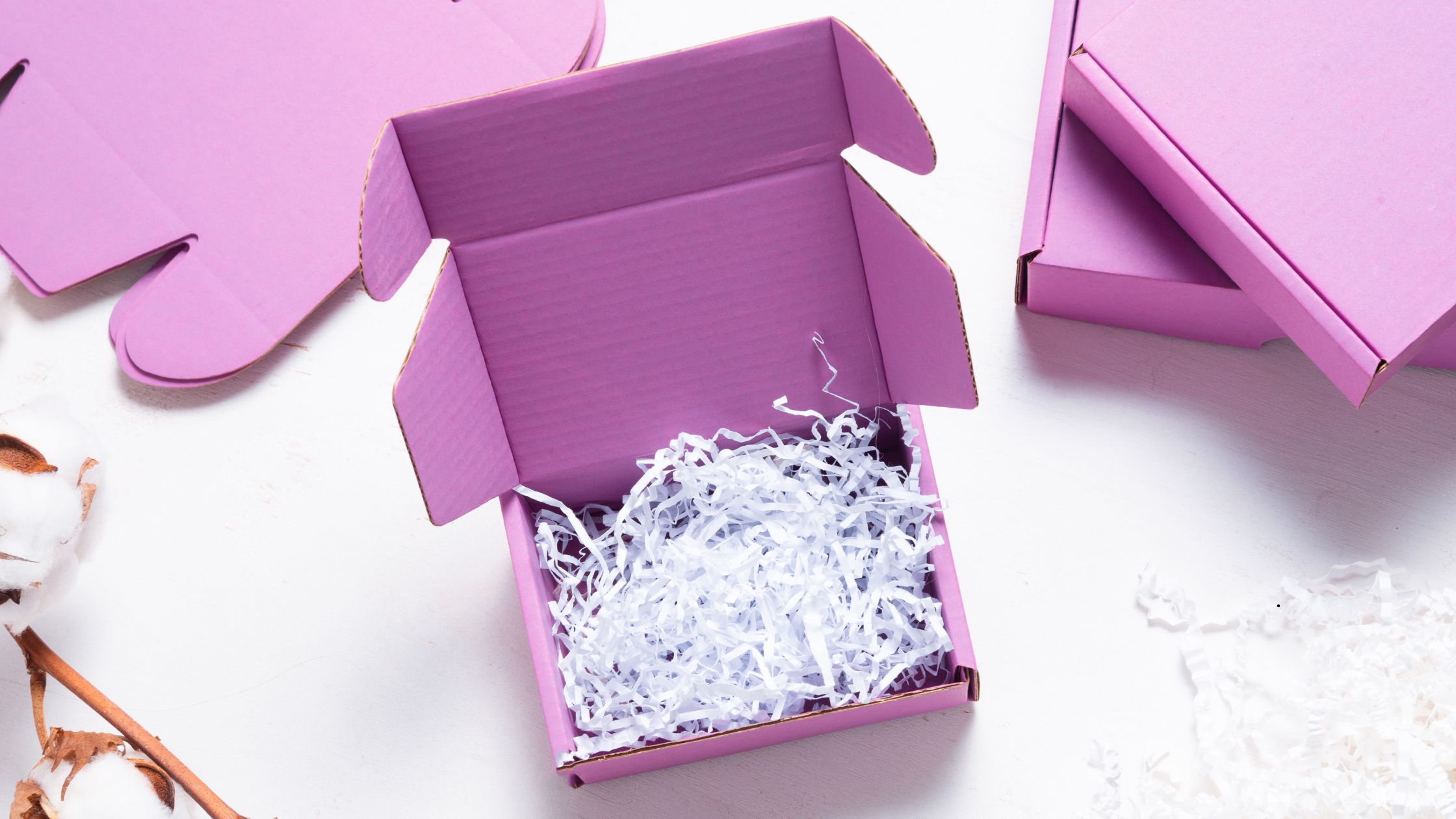
Picture this — your customer finally gets their delivery, tears it open, and there sits your gorgeous product… inside a dull, forgettable box. That little spark of excitement? Gone. Honestly, I’ve watched it happen more times than I’d like to admit. At The Boxery, we see it constantly.
Your packaging is the very first physical handshake with that customer. It speaks before the product does. It tells them — right then and there — that they made the right call. And for boutique brands? That unboxing ritual isn’t optional. It’s woven into your brand story and the perceived value of everything you sell.
A well-chosen mailer takes a standard delivery and turns it into something people remember. Apparel, cosmetics, fine jewelry — luxury mailers lift those items from ordinary to genuinely extraordinary. In a market overflowing with sameness, the right box does triple duty: it shields your product in transit, earns loyalty through an elevated experience, and sparks the kind of social media shares that money can’t buy.
Think of this guide as your personal roadmap. We’re going to walk through materials, design techniques, custom printing, and all the strategic decisions that turn a plain container into a brand ambassador. At The Boxery, we don’t just make boxes — we engineer packaging that builds confidence from the doorstep forward.
Key Takeaways
- Your packaging is a silent salesperson and the critical first brand touchpoint your customer physically encounters.
- The unboxing experience is a vital, non-negotiable chapter of the story for boutique and specialty brands.
- High-quality mailers protect your products and dramatically enhance their perceived value.
- Premium packaging can measurably reduce return rates and encourage deep customer loyalty.
- A great unboxing moment transforms customers into vocal brand advocates who share online — for free.
- Selecting the right mailer means balancing aesthetic appeal with practical durability — and getting both right.
Why Your Shipping Box is Your Silent Salesperson
That plain brown box sitting on a customer’s doorstep? It’s already delivering a message about your brand — for better or worse. You’ve probably poured months or even years into perfecting your product. But if it shows up in a dull, anonymous container, all that effort gets undermined in about two seconds flat.
The first physical touchpoint matters. A lot. It sets the entire tone for the experience that follows.
Here in the United States, unboxing has become a genuine cultural phenomenon. It’s not just a trend — it’s a primary source of organic marketing now. Customers don’t merely open boxes these days. They film them. They share them. They post them to Instagram and TikTok for hundreds, sometimes thousands, of viewers.
Your shipping box works silently while you sleep. It represents your brand on doorsteps across the country. This silent ambassador communicates quality, care, and intentionality before the tape is even cut. A generic mailer whispers “commodity.” A custom option shouts “curated experience.” That distinction directly shapes how customers perceive the value inside.
Think of your mailer as a three-dimensional business card. It’s a tangible piece of marketing that sits in someone’s home — often long after the product itself has been used or worn. For an e-commerce business, this box serves as a storefront window. It builds anticipation. It transforms a routine delivery into something that actually feels special.
We at The Boxery understand this silent salesperson carries a dual responsibility. It needs to protect your goods physically while simultaneously elevating your brand emotionally. And honestly? A well-designed piece of packaging reduces what marketers call cognitive dissonance — when the exterior matches the premium interior, customers feel genuinely confident in their purchase.
So let’s shift your perspective here. See your boxes not as mere containers, but as critical brand assets. They drive perception, build loyalty, and generate the kind of powerful word-of-mouth that no ad budget can replicate.
The Unboxing Imperative: Building Brand Value from the First Touch
A flimsy mailer tears open in seconds. Done. Forgotten. But a premium box? It invites a slower, more appreciative ceremony. This ceremony — the unboxing — is a powerful, multisensory ritual that builds your brand value from the very first touch.
Think about the sound of tape peeling back. The texture of the paperboard under your fingers. That visual reveals when your product finally appears. Each of those steps represents a deliberate opportunity to deepen a connection with your customer.
I call this the “slow reveal.” It builds real suspense and appreciation. This pace lets your customers actually savor the experience — and it stands in stark contrast to the hurried rip of a standard poly bag. Why does pace matter? Because when a box feels substantial and beautifully finished, the brain automatically assigns higher value to whatever’s inside. That perceived value justifies your price points and fosters the kind of loyalty that keeps people coming back.
Shareability has become a modern currency. A mailer that looks exceptional gets filmed and posted. That’s free, authentic advertising reaching thousands of potential customers. Specific design choices fuel this shareability — textured surfaces, elegant closures, even printing on the interior of the box. All of it contributes to a “share-worthy” moment.
The Unboxing Experience: Standard vs. Engineered
| Aspect | Standard Delivery | Engineered Experience |
| Speed of Open | Fast, functional tear. | Slow, deliberate reveal. |
| Sensory Engagement | Minimal; focused on access. | High; involves sight, sound, and touch. |
| Perceived Value | Neutral; container is disposable. | Elevated; container feels part of the product. |
| Shareability Potential | Low; nothing remarkable to capture. | High, designed for social media moments. |
| Emotional Impact | Transactional: fulfills an order. | Memorable; creates a brand story. |
Beyond the aesthetics, sturdy construction remains the foundation. Your product absolutely must arrive pristine. Damage is the ultimate brand detractor — it ruins any chance of a positive moment and sends your customer straight to the returns page.
For some businesses, the unboxing experience basically is the product. Subscription services, gift boxes, limited-edition drops — they all rely on that moment of revelation. Here, the design of your packaging is completely non-negotiable. You either nail it or you don’t.
You can engineer these moments of delight, though. Consider that the order items are revealed. Think about tucking in a personalized note or layering tissue paper just so. These small touches transform a routine transaction into something people talk about at dinner.
At The Boxery, we help you think like a customer. We design boxes that build emotional equity with every single delivery. This approach turns buyers into advocates — people who not only repeat but actively recommend you to friends and family.
Here are some concrete strategies. First, ensure protection — no compromises there, ever. Second, design for the senses: touch, sight, and even sound. Third, incorporate an element of surprise or personalization. And finally? Make it easy to share. A clean interior color or a clever hashtag can prompt social sharing and turn your entire shipping process into a key brand differentiator.
The data support this focus, by the way. A great unboxing ritual leads to measurably lower return rates and stronger customer loyalty. In the United States, unboxing videos have become a genuine cultural force — a form of social proof you can absolutely harness. Your packaging isn’t just a container. It’s the opening chapter of your customer’s story with your brand. Make it count.
Defining Luxury Mailers: More Than Just a Shipping Container
So what actually separates a plain cardboard box from a brand-defining artifact? The answer lies in intention. A true premium mailer is a hybrid — part protective shipper, part elegant presentation piece. It’s engineered to survive the full gauntlet of transit while arriving absolutely camera-ready. That dual purpose is its core strength.
Standard shipping containers focus solely on function. Getting the product from point A to point B. Brand-defining options are fundamentally different. They’re characterized by superior materials, advanced printing techniques, and thoughtful structural design. Form and function get prioritized equally. You reach for these when the product inside demands reverence — fine jewelry, artisan skincare, high-end apparel, boutique spirits, cutting-edge electronics, or corporate gifts that need to extend your brand’s professionalism.
The “luxury” designation isn’t really about opulence alone, though. It comes from a powerful combination of factors. The substantial feel of the paperboard is the first clue. Precision construction follows. Then you notice the clarity and richness of the print. Finally, tactile finishing details complete the whole experience. This is holistic thinking — every single element considered as part of your brand narrative. From the glue flap to the interior coating, nothing is left to chance.
These boxes often include special features, too. Custom foam inserts that cradle items securely. Magnetic closures offering a satisfying snap. Ribbon pulls or acetate windows that showcase products beautifully. Each feature serves both protection and presentation simultaneously.
Decoding the Package: Basic Box vs. Brand-Defining Mailer
| Component | Basic Shipping Box | Brand-Defining Mailer |
| Primary Purpose | Functional containment and transit. | Protection + elevated brand presentation. |
| Material Feel | Thin, lightweight, often flimsy. | Substantial, rigid paperboard with heft. |
| Printing & Graphics | Simple logo stamp or plain surface. | Vibrant, full-color custom printing with great detail. |
| Structural Design | Standard folds; easy assembly. | Engineered for easy customer opening and a clean reveal. |
| Finishing Touches | None or basic glue. | Foil stamping, embossing, spot UV, or soft-touch laminate. |
| Interior Consideration | Unfinished brown cardboard. | Coated or printed interior; often includes custom inserts. |
| Closure Mechanism | Adhesive strip or tape. | Magnetic snap, ribbon seal, or tuck-end with custom tab. |
| Overall Impression | Disposable container. | Keepsake-worthy brand artifact. |
At The Boxery, we define this category by intentionality — not extravagance. It’s about selecting the right combination of elements to create a cohesive, impressive package. Understanding this definition is your crucial first step. It empowers you to make informed choices and elevate your brand effectively without overspending on unnecessary details.
The right custom mailer boxes communicate quality before the tape is cut. They transform a simple delivery into a strategic brand moment. That’s the true power of moving beyond a basic shipping container.
Exploring Premium Materials for Luxury Mailers
Your product’s first impression isn’t just about graphics or a pretty logo. It’s fundamentally shaped by the physical paper and board you select. The material of your boxes whispers quality before a customer even peeks inside. It dictates the heft in their hands, the texture under their fingers, and the box’s strength during shipping. Choosing wisely here — that’s the first step in engineering the perfect unboxing moment.
Rigid Paperboard: The Foundation of Substantial Feel
This is the gold standard for premium presentation, period. Rigid paperboard — sometimes called chipboard — provides that satisfying weight and solidity that immediately signals value. It doesn’t bend or flex easily. It communicates care right away.
The material serves as a perfect canvas for crisp, high-definition printing and elegant finishes. When your brand story demands authority and keepsake quality, this is the foundation you build upon.
Kraft Paper: Organic Sophistication and Eco-Conscious Appeal
Kraft brings a warm, natural aesthetic to your packaging that’s really hard to replicate with anything else. Its signature brown hue and visible paper texture tell a story of authenticity and environmental mindfulness. Many customers associate it with sustainable, recycled content — and they respond to that.
It offers a robust feel while maintaining an approachable, organic vibe. This material is ideal for brands rooted in nature, artisanal craftsmanship, or a minimalist design philosophy. If your brand ethos leans honest and earthy, kraft is basically made for you.
Corrugated Cardboard: Unmatched Durability for Safe Transit
Never underestimate corrugated. Its fluted inner layer between two liners creates an exceptional strength-to-weight ratio that protects like nothing else. This is the workhorse for protection — it absorbs shocks and resists crushing during the rigors of transit.
Modern corrugated options can also be beautifully printed, so you’re not sacrificing aesthetics. It’s the smart choice for heavier items, fragile goods, or when shipping distance is a major concern.
Duplex Chipboard: A Versatile and Cost-Effective Choice
Duplex chipboard is a savvy option when you need a polished look without breaking the bank. It’s made by compressing multiple layers of paper into a solid sheet. Typically, one side has a smooth white or brown coating — creating an excellent surface for high-quality printing — while the reverse side is usually a neutral grey.
With a weight range of 230 to 450 GSM, it offers real rigidity. It feels substantial in the hand without the cost of heavier, fully-coated boards. This material is exceptionally versatile for die-cutting, too, which allows for creative mailer shapes without excessive expense.
We often recommend duplex for brands that want a beautiful exterior, especially when the interior will be lined with tissue or a custom insert. It proves that a premium presentation doesn’t always require the most expensive material. Sometimes it just means making the most intelligent choice for your specific product and budget.
Your Material Guide: Choosing the Right Foundation
| Material | Best For | Key Characteristic | Feel & Texture | Print Surface |
| Rigid Paperboard | High-end cosmetics, jewelry, electronics. | Maximum rigidity and premium heft. | Very solid, smooth, substantial. | Excellent; ideal for all finishes. |
| Kraft Paper | Eco-brands, artisanal foods, apparel, subscription boxes. | Natural, recycled look and feel. | Robust, slightly textured, warm. | Good; creates a matte, organic look. |
| Corrugated Cardboard | Heavy items, fragile products, and long-distance shipping. | Superior protection and crush resistance. | Lightweight yet very strong, ridged. | Good; modern digital printing works well. |
| Duplex Chipboard | Cost-effective luxury for cosmetics, gourmet foods, and mid-weight goods. | One-sided premium coating for value. | Firm, smooth on one side, neutral back. | Very good on the coated side only. |
Your choice here sets the stage for everything that follows. It determines durability, print quality, and that all-important first touch. Let’s find the perfect foundation for your brand story together.
Advanced Design Techniques and Finishes
A flat printed design is just the beginning, honestly. The real magic happens when you add dimension, shine, and texture. These advanced finishes turn your packaging into a multi-sensory experience that customers feel as much as they see. They are the final, powerful layer of your brand’s expression — and each technique serves a specific purpose in your visual and tactile narrative.
Think of them as jewelry for your boxes. They highlight your logo or key graphics. They create those moments of surprise and delight during the unboxing process that make people reach for their phones. When you’re looking to create decorative mailers that truly stand apart, these finishes are what separate “nice” from “unforgettable.”
Selecting the right combination is something of an art. It balances visual impact with budget and production considerations. Let’s explore the most popular and effective options available.
Foil Stamping: Adding Metallic Brilliance and Prestige
Foil stamping presses a thin metallic film onto your packaging surface. The result? Instant brilliance and an undeniable feeling of prestige. This technique makes elements like your logo or brand name literally shine — and that’s not an exaggeration.
Gold and silver remain classic choices, but modern foils now come in rose gold, holographic, and even matte colors. The effect is crisp, luxurious, and genuinely impossible to ignore. It works beautifully on dark backgrounds where the metallic sheen pops with dramatic impact. This technique whispers quality and attention to detail before a customer even touches your product.
Embossing and Debossing: Creating Tactile, Inkless Elegance
These techniques create raised or recessed areas on your paperboard. Embossing lifts elements up; debossing presses them in. Both add a sophisticated, inkless dimension to your design.
Run your fingers over a beautifully embossed logo. You feel the craftsmanship immediately. It creates a subtle shadow play that changes with the light. Debossing offers a more understated, engraved feel. Both methods are purely tactile — they signal that your brand invests in the finer details. The ones you feel, not just see.
Spot UV and Lamination: Controlling Texture and Shine
These are your tools for controlling gloss and texture with real precision. Spot UV applies a clear, glossy coating to specific areas of your design. Imagine your logo gleaming while everything around it stays matte. That contrast? Visually striking and deeply engaging to the touch.
Full lamination covers the entire box. A gloss laminate makes colors vibrant and pop. A soft-touch matte laminate feels velvety and premium — it resists fingerprints and minor scuffs beautifully. Choosing between them defines the final hand-feel of your packaging. It’s a critical decision in your overall sensory design.
Finish Techniques at a Glance
| Technique | Primary Effect | Best For | Sensory Impact | Relative Cost |
| Foil Stamping | Metallic shine and prestige. | Logos, monograms, key typography. | High visual sparkle; smooth metallic feel. | Medium-High |
| Embossing | Raised, textured dimension. | Creating tactile logos or borders. | Strong tactile engagement; visual shadow play. | Medium |
| Debossing | Recessed, engraved dimension. | Subtle branding, elegant borders. | Subtle tactile discovery; sophisticated feel. | Medium |
| Spot UV | Localized high-gloss contrast. | Making specific design elements “pop.” | Visual contrast; smooth, glossy touch points. | Low-Medium |
| Soft-Touch Laminate | Overall velvety, matte texture. | Entire box surface for a premium feel. | Uniform luxurious texture; warmth to the touch. | Medium |
Custom Closures and Windows: Enhancing Function and Reveal
How your package opens and closes — that’s a critical part of the design people often overlook. Moving beyond standard adhesive strips elevates the entire process. Self-locking closures are a game-changer in this space. Tuck flaps with secure ear-locks or magnetic seal panels provide a satisfying “snap” that feels intentional and high-quality. They also eliminate the need for messy external tape, keeping the exterior clean and polished.
Custom die-cut windows, framed with clear acetate, offer a tantalizing peek at your items. This builds excitement from the moment the box arrives. It’s perfect for showcasing textures like fabric or the rich color of a candle. A window can reduce the need for outer packaging imagery entirely — letting the product speak for itself.
Other elegant solutions include integrated ribbon pulls or tear strips for easy opening. Some brands even use reusable drawstring closures. These elements should feel like a seamless part of your design — signaling that every detail was considered for your customers’ convenience and pleasure.
At The Boxery, we engineer these features to enhance both the unboxing drama and practical reuse. The right closure turns a simple action into a delightful interaction. It’s a powerful option for making your brand genuinely memorable.
The Power of Full-Color Custom Printing
Full-color custom printing is the bridge between your digital brand identity and the physical world your customer holds in their hands. It transforms a blank container into a vibrant, storytelling canvas. This is where your color palette, logo, and imagery truly come alive — and a well-printed design creates an immediate, powerful connection.
Think about the last package that made you pause. The visual impact likely came from crisp, rich printing. It felt intentional. High-quality. Like someone actually cared. Modern techniques offer stunning flexibility, too. You’re no longer limited to a simple stamp. You can create photorealistic images, complex gradients, and immersive patterns that wrap the entire box.
The right method depends on your order size, design complexity, and budget. Let’s explore the key processes.
Understanding Your Printing Options
Digital Printing is the champion of flexibility. It’s perfect for small batches and testing new designs. There are no plates or lengthy setup times, which allows for cost-effective short runs. You can change colors or imagery from one box to the next with ease. It excels at handling detailed graphics and variable data. The trade-off? A slightly higher cost per unit for very large quantities.
Offset Printing is the gold standard for large, consistent runs. It uses metal plates to transfer ink with incredible precision. The result is unbeatable color consistency and razor-sharp detail across thousands of boxes. The per-unit cost becomes very efficient at high volumes. It’s the go-to choice for established brands with steady production needs — the initial setup is more involved, but the payoff is flawless reproduction run after run.
Flexography is a workhorse for high-volume packaging on flexible materials. It uses fast-drying inks and flexible polymer plates. While common for labels and corrugated boxes, it’s also used for mailers. It offers good color saturation and is very cost-effective for massive orders.
Choosing Your Printing Process: A Quick Guide
| Method | Best For | Key Advantages | Ideal Order Size | Artwork Flexibility |
| Digital Printing | Small batches, prototypes, personalized designs, complex graphics. | No minimums, fast turnaround, easy design changes. | 1 – 2,000 units | Very High |
| Offset Printing | Large production runs, brand consistency, and cost efficiency at scale. | Superior color accuracy, sharp detail, and low per-unit cost at volume. | 2,000+ units | High (after initial setup) |
| Flexography | Very high-volume orders, printing on a variety of material surfaces. | Fast production speeds, durable prints, and efficient for simple designs. | 10,000+ units | Medium |
Maximizing Your Design’s Impact
Your artwork preparation is more crucial than most people realize. It ensures your vision translates perfectly onto the final surface. Provide high-resolution files — for your logo and text, vector files like PDF or EPS are essential. They keep edges crisp at any size.
For photographs and complex imagery, use high-res raster files — PNG or JPG — and aim for at least 300 DPI to maintain detail. Consider the coating of your chosen material, too. A smooth, white surface makes colors pop. A natural kraft coating gives a softer, organic look.
You can also choose where to print. A “wrapped” design covers the entire box, creating a fully immersive experience. Alternatively, you can print different graphics on the front and back — this approach can highlight key information or create a surprising reveal inside.
The Proofing Process: Seeing is Believing
Never approve a design sight unseen. A professional partner will always guide you through proofing.
At The Boxery, we provide flat digital proofs that show your artwork laid out on the box template. You can check for typos, color matches, and overall composition. We also create 3D mock-ups so you can visualize how your custom mailer boxes will look in the real world — you can assess proportions and overall impact before committing.
This step is your safety net. It ensures everyone is aligned before the full print run begins. It empowers you to communicate effectively and make confident decisions about your branded packaging investment.
Finding the Perfect Size and Fit for Your Products
Sizing your mailer correctly is a strategic decision that impacts cost, safety, and customer perception all at once. Get it wrong, and you face a cascade of problems. Get it right, and your product arrives pristine, your shipping costs stay manageable, and your brand feels meticulously curated.
Think of sizing as the foundation of your unboxing experience. A container that’s too large wastes material and money. It also lets items bounce around inside, practically inviting damage during transit. On the other hand, a box that’s too tight becomes a packing nightmare — it can crush delicate edges and strain your fulfillment team. Both extremes undermine everything else you’ve worked on.
The sweet spot is what we call the “Goldilocks zone.” A snug fit with just enough space for protective cushioning. You want to minimize internal movement while maximizing that polished, presentation-ready look.
How do you find this ideal size? Start with precise measurement. Account for every element going inside the box. Grab a ruler and measure your product at its widest, longest, and tallest points. Then add the thickness of any protective material:
- For bubble wrap: Add 1/4 inch to each dimension.
- For foam inserts: Add the exact thickness of the foam.
- For crinkled paper: Add 1/2 inch to each side.
This sum gives you the minimum interior dimensions your boxes need. Simple step — but it prevents major headaches later.
Now you face a classic choice: standard or custom sizes. Standard sizes like 6.5″ x 12″, 8″ x 14″, or 12″ x 18″ are readily available. They’re typically more cost-effective and have faster turnaround times. They work beautifully for common product shapes.
Custom sizing is your go-to for uniquely shaped items — tall candle jars, irregularly shaped electronics, or multi-piece sets. A made-to-order container ensures a perfect, glove-like fit that elevates the presentation dramatically. The box feels like an integral part of the product, not just a generic shell.
Standard Sizes vs. Custom Sizing: A Quick Comparison
| Consideration | Standard Sizes | Custom Sizing |
| Cost Efficiency | Typically, lower cost per unit. | Higher initial cost, perfect for unique shapes. |
| Lead Time | Faster, often ready to ship. | Longer, due to design and tooling. |
| Fit & Presentation | Good for common product profiles. | Excellent, tailored for a premium look. |
| Material Waste | Can result in extra empty space. | Minimized, uses material efficiently. |
| Ideal For | Brands with common SKUs, testing phases. | Signature products, high-end gifts, irregular shapes. |
Don’t forget the invisible cost driver: dimensional weight. Carriers like USPS, FedEx, and UPS use this pricing model — they charge based on a package’s volume, not just its actual weight. A mailer that is only slightly larger than your product helps you avoid “dim weight” penalties and keeps shipping expenses predictable and fair.
“The right size box is a smart business decision. It protects your product, pleases your customer, and protects your profit margin.”
For brands carrying a diverse product lineup, creating a few strategic sizes simplifies everything. Design two or three master boxes that accommodate most of your SKUs. This streamlines inventory and speeds up the packing process — your team won’t waste time hunting for the perfect box for every single order.
At The Boxery, we help you model these scenarios. We look at your product lineup, your protective needs, and your shipping economics. We find the optimal footprint that balances beauty, safety, and cost. Your boxes should work as hard for your business as you do. Start by measuring. Weigh the pros and cons of standard versus custom. Then consider how a smart sizing strategy can scale with your growth.
Durability and Protection: Ensuring Your Product Arrives Pristine
The true test of premium packaging isn’t on your studio shelf — it’s in the back of a delivery truck, bouncing and rubbing for miles. A gorgeous design loses its power if the box arrives dented or the print is scuffed. Your product’s first physical impression hinges on surviving that journey intact.
We call this the “survival phase.” It’s where quality packaging proves its worth beyond aesthetics. It must protect your brand’s reputation from warehouse to doorstep — every single time.
The Pro’s Secret: Understanding the “Vibration Test” and Scuff-Resistance
During transit, boxes don’t sit still. They vibrate constantly. They rub against each other. This friction creates a common problem called scuffing — dark ink on a light background gets marked with white scratches, light ink on a dark background shows dark marks. It makes your product look worn before it’s even opened. Not the first impression you’re going for.
The professional solution is designing for this vibration from the start. For dark-colored designs, always specify a scuff-resistant matte lamination. This protective coating acts as a shield — sitting on top of the printed surface, taking the abrasion so your design doesn’t. The result? A box that looks flawless upon arrival.
| Aspect | Standard Print Finish | Protected Finish |
| Scuff Resistance | Low; ink is exposed and vulnerable. | High; the laminate layer absorbs friction. |
| Surface Feel | Can feel like plain paper or cardboard. | Velvety, matte texture that feels premium. |
| Visual After Transit | Often shows white scratches or marks. | Arrives looking clean and untouched. |
| Best For | Light-colored designs, low-friction shipping. | Dark colors, high-volume logistics, premium goods. |
Your first line of defense is always materials. The right choice builds inherent strength. Corrugated cardboard offers superb crush resistance thanks to its fluted interior absorbing shock. Rigid paperboard provides structural integrity, preventing bending under weight. And sealing methods matter more than most people think — strong, consistent adhesive along all flaps prevents them from popping open during handling, which is a top cause of damage.
You can test your design before mass production, too. Try these simple simulations at home: place your prototype in a larger box with some packing peanuts and shake it vigorously for a minute. This mimics the vibration of shipping. Also, rub the printed surface firmly with a clean, dry paper towel. Check for any color transfer or dulling. This tests the coating’s durability.
At The Boxery, we engineer our mailers to pass this vibration test. We know your brand’s reputation rides on the entire shipping process — not just the moment it leaves your hands.
Use this checklist to ensure your luxury package is as tough as it is gorgeous:
- Select materials with inherent strength for your product’s weight.
- Specify a scuff-resistant laminate for dark or full-color designs.
- Verify adhesive strength on all closure flaps.
- Conduct a simple at-home vibration and rub test on your prototype.
This proactive process guarantees your product arrives in pristine condition. It protects your investment and delivers on the promised quality — every time.
Sustainability as a Luxury Standard
What if your packaging could tell a story of beauty that doesn’t cost the earth? Today’s conscious consumer listens for that story. They equate true quality with genuine responsibility — and sustainable choices are no longer a niche preference. They’ve become a core expectation for premium brands.
Your customers want to feel good about their purchase from the moment it arrives. This shift creates a beautiful intersection where high-end aesthetics meet environmental stewardship. The materials you choose write the first chapter of this narrative.
Consider post-consumer recycled paperboard. It gives existing paper a second life without sacrificing that premium feel. FSC-certified kraft paper comes from responsibly managed forests. For protective mailers, plant-based biopolymers like PLA — derived from corn starch or sugarcane — offer a game-changing option. They break down significantly faster than traditional plastics.
Finishes and inks matter just as much. Aqueous coatings are water-based and provide a protective layer that’s more easily recyclable than plastic laminates. Soy-based inks carry lower levels of volatile organic compounds, making them a greener part of your printing process.
Innovative touches can transform your packaging into an interactive experience, too. Imagine including a seed paper insert or tag. Your customer plants it to grow wildflowers or herbs. This creates a powerful narrative of growth and gives your boxes a purposeful second life long after delivery.
Navigating the terminology matters for making authentic claims. Let’s clarify the common terms:
- Recyclable: The material can be processed and turned into new products.
- Compostable: It will break down into natural elements in a compost environment.
- Biodegradable: It decomposes naturally over time with the help of microorganisms.
- Recycled Content: The product is made from materials recovered from waste streams.
Choosing sustainable options often brings operational benefits. Lighter-weight materials can reduce your shipping costs. Streamlined, right-sized boxes minimize material waste from the outset. This efficiency is good for your business and the planet.
Sustainable Material Options for Premium Packaging
| Material | Key Benefit | Ideal Use | Common Certifications |
| Post-Consumer Recycled (PCR) Paperboard | Diverts waste, maintains premium rigidity. | Rigid mailers, gift boxes, product cartons. | High percentage of PCR content. |
| FSC-Certified Kraft Paper | Responsible forestry, warm natural aesthetic. | Mailer sleeves, wraps, tags, minimalist branding. | FSC (Forest Stewardship Council). |
| Polylactic Acid (PLA) | Plant-based, industrially compostable alternative to plastic. | Clear windows, protective inner bags, poly mailer alternatives. | ASTM D6400 compostability standards. |
| Seed Paper | Transforms waste into a planting experience. | Thank you cards, informational inserts, and hang tags. | Often made from recycled paper with embedded seeds. |
This movement isn’t about greenwashing. It’s about integrating circular principles into your brand story authentically. We provide a realistic view of costs and benefits — some sustainable features have a minimal cost impact, while others represent a strategic investment in your brand’s future. The right partner helps you select the features that align with your values and budget, ensuring your sustainable story is beautiful, authentic, and strong enough for the journey to the doorstep.
Balancing Quality and Cost: A Realistic Budget Guide
Balancing cost and quality in packaging can feel like walking a tightrope — but it’s a skill you can absolutely master. Every dollar you spend should work hard for your business. It must protect your product and tell your brand story powerfully, without draining your margins.
Investing in premium mailers is a strategic decision, not an extravagance. Think of it like any smart investment. You balance upfront cost with long-term value. The right boxes can lower return rates, boost perceived value, and even become marketing tools that pay for themselves through repeat purchases and referrals.
Your unit cost isn’t a mystery — it follows a clear hierarchy of factors. Order quantity is the biggest driver. Then comes your choice of materials, the number of printing colors, and special finishes like foil or embossing. Structural complexity also plays a role.
Packaging Cost Factors: Where to Save vs. Where to Invest
| Cost Factor | Where to Save (Cost-Effective Options) | Where to Invest (High-Impact Returns) |
| Material Choice | Standard duplex chipboard; uncoated kraft. | Rigid paperboard with a scuff-resistant matte laminate for durability. |
| Printing & Color | One or two-color print on a single side. | Full-color, custom wrapped printing for immersive branding. |
| Finishes | Skip foil stamping and embossing initially. | A quality protective coating to prevent damage in transit. |
| Size & Structure | Use standard-size boxes from a catalog. | Custom sizing for a perfect, presentation-ready fit. |
| Order Volume | Start with a small test run to validate the design. | Commit to larger quantities for significant per-unit savings. |
Order volume is your most powerful lever for cost control. Many providers, like The Boxery, have no minimum order required — which is perfect for testing. However, unit prices drop sharply as you move from hundreds to thousands of units. For specific options like poly mailers, minimums might start around 50 units. Still a low barrier for entry. The key is planning orders based on your sales forecast.
Consider the total cost of ownership here. A slightly more expensive mailer that better protects your product is almost always the wiser buy. It saves you multiples in replacement costs, refunds, and damaged brand equity. Think of it as insurance for your reputation.
How do you build a realistic packaging budget? These frameworks provide a solid starting point:
- For direct-to-consumer goods: Allocate 2–5% of your product’s retail price to packaging.
- For subscription boxes or gifts: Allocate 5–10% of the total box value, since the experience is central.
- For wholesale items: Keep packaging under 2% of your wholesale cost to maintain margins.
These percentages are sustainable for most business models. They ensure your packaging elevates your brand without undermining profitability. Getting a detailed quote is an essential step — a good partner offers transparent pricing and should work with you to find alternatives that meet your vision and budget. Ask for a breakdown of costs covering materials, printing, and setup fees.
At The Boxery, we guide you through this entire process. We help you see the trade-offs clearly. Sometimes a small change in materials or a standard size can save significantly without hurting quality.
“Smart packaging spending isn’t about cutting corners. It’s about directing funds to the features that deliver the most value to your customer and your brand.”
This realistic guide gives you a framework for making confident financial decisions. You can approach your packaging strategy with clarity now. Balance is absolutely achievable — your business deserves packaging that looks expensive but is smartly priced.
From Standard to Spectacular: Top Luxury Mailer Trends
The landscape of premium packaging is evolving fast, driven by sensory engagement and interactive storytelling. Staying ahead means knowing what signals modern sophistication to today’s discerning shopper. We’re seeing a powerful move towards design that appeals to touch, sight, and even curiosity — and the brands that embrace these shifts are the ones people remember.
This transformation turns your boxes from simple containers into memorable brand artifacts. The goal is to create a complete experience that begins at the doorstep. If you’re searching for trendy mailers that capture this new era of packaging design, these are the directions to watch.
Sensory Design Takes Center Stage
First impressions are deeply tactile. Always have been, always will be. A velvety, suede-like finish on your packaging creates an immediate emotional connection that no screen can replicate. This soft-touch laminate feels expensive and stands in stark contrast to cheap, glossy plastics.
It invites your customers to hold and admire the box. This single detail can elevate the entire unboxing ritual. The touch becomes a key chapter in your brand’s story.
The Element of Surprise Inside
Don’t neglect the interior — seriously. Printing beautiful patterns or a heartfelt “thank you” message on the inside flaps creates a wonderful surprise. This inside-out design delivers a “wow” moment when the box is opened.
It shows an incredible attention to detail that your customers notice and appreciate. They feel the extra care you put into every aspect of their experience. And they talk about it.
Bridging Physical and Digital Worlds
Smart packaging now includes interactive bridges between the physical and digital. A discreet, branded QR code on an inner flap can link to a setup video, an exclusive offer, or a behind-the-scenes story. This seamlessly merges the physical product with your digital ecosystem.
It adds genuine utility and extends engagement long after the delivery arrives. This trend is about creating a deeper, more connected relationship with your brand — one that doesn’t end when the box is opened.
Key Trends and Their Impact
| Trend | Primary Effect | Best For Brands That Value |
| Soft-Touch Laminate | Creates an immediate, premium tactile connection. | Sensory engagement and perceived quality. |
| Printed Interior & QR Codes | Adds surprise and extends digital interaction. | Storytelling and customer journey extension. |
| White Ink on Kraft Paper | Offers high-contrast, organic sophistication. | Authenticity and eco-conscious aesthetics. |
| Vibrant Gradient Printing | Designed to pop on smartphone screens. | Youthful energy and social media shareability. |
Organic and Bold Visual Statements
The high-contrast look of crisp white or metallic ink on natural kraft paper remains powerfully effective. It allows brands to feel both premium and authentically grounded at the same time. This “organic luxury” trend speaks to a growing desire for honest materials combined with sophisticated design.
On the opposite end, ultra-vibrant, gradient-heavy designs are made for the digital age. Printed with high-fidelity methods, they’re engineered to pop on smartphone screens. This “dopamine decor” approach is perfect for social-savvy audiences who share every beautiful thing that crosses their path.
Functional Elegance and Keepsake Quality
Practical features are getting a premium upgrade. Adding a reinforced die-cut handle or an elegant ribbon pull transforms a mailer into a “suitcase” style piece that’s effortlessly carryable and instantly keepable for reuse. This thoughtful design increases the perceived value of your packaging considerably. It encourages customers to repurpose the box, keeping your brand visible in their daily lives long after the purchase.
Adapting Trends to Your Unique Identity
The key is adapting these ideas to fit your unique voice. Your packaging should feel contemporary and covetable without being fleeting or gimmicky. Choose one or two trends that authentically amplify your story.
For example, a heritage brand might use subtle embossing paired with a printed interior. A direct-to-consumer startup might opt for a bold gradient and an interactive QR code. At The Boxery, we help you navigate these choices — ensuring your final design is spectacular, cohesive, and built to last. The right trend, applied wisely, turns a standard delivery into a spectacular brand moment.
Crafting a Cohesive Brand Experience Through Packaging
Cohesive packaging is the thread that weaves every brand touchpoint into a single, memorable story. It ensures your customers feel a seamless connection from your website to their doorstep. When every element speaks in harmony, your brand voice becomes unmistakable — and that builds trust in ways that advertising simply can’t.
Your mailer should feel like an inevitable extension of your brand, not something separate or disconnected. Every detail matters here: your color palette, typography, even the unboxing sequence. Consistency builds recognition and deepens emotional investment over time. For apparel and accessory brands in particular, fashion mailers in coordinated brand colors can make deliveries instantly recognizable — your customer knows it’s from you before they even read the label.
Start with your core assets. How does your logo translate into a three-dimensional, tactile form? Should it be foil-stamped for shine or embossed for texture? Your colors and visual motifs need to work on a physical packaging surface, and that translation from 2D to 3D is a creative challenge worth getting right. We at The Boxery act as your partner in this process.
Consider the narrative arc of the unboxing itself. What’s the first thing the customer sees? What’s the reveal order? Each step should reinforce your brand’s story and values deliberately. A disjointed experience confuses and disappoints. A cohesive one delights and builds loyalty.
Packaging Experience: Cohesive vs. Disjointed
| Aspect | Cohesive Brand Experience | Disjointed Experience |
| First Impression | Box design matches website aesthetics perfectly. | Generic box that feels unrelated to the brand. |
| Unboxing Sequence | Intentional reveal order that tells a story. | Haphazard packing with no narrative flow. |
| Visual Language | Mailer, interior tissue, and product label share colors and fonts. | Mismatched graphics and materials that clash. |
| Emotional Impact | Creates a sense of care and premium quality. | Feels transactional and forgettable. |
| Brand Recall | High; customer instantly recognizes future deliveries. | Low; packaging is not memorable. |
True cohesion means every component speaks the same visual language. Your mailer, the interior packing, the product label, and even the invoice sleeve must harmonize. This professional polish makes a powerful impression that customers carry with them.
How do you maintain this consistency over time? Create a simple packaging style guide. Document your approved colors, logo usage, and material finishes. This guide ensures every box you produce — regardless of size — strengthens your identity.
“A style guide turns intention into action. It’s the blueprint that keeps your packaging on-brand, even as your team grows or your product line expands.”
For subscription services, this cohesion is especially powerful. The mailer itself becomes a recognizable, beloved part of the service. It builds anticipation for the next delivery, transforming routine into ritual.
Your customers aren’t just buying products. They’re buying into an experience that starts the moment they see your box. A cohesive presentation justifies premium positioning and fosters genuine advocacy. We recommend auditing your entire packaging ecosystem — look at your mailer boxes, inner supports, labels, and inserts. Do they all reflect your brand? This cumulative effect is what solidifies your market position.
At The Boxery, we help you translate your 2D identity into the 3D world authentically. We focus on the details that make your custom mailer feel uniquely yours. Let’s build a packaging system that works as one unified voice for your brand.
Navigating the Ordering Process: From Mock-up to Delivery
The journey from a design idea to a finished box on your doorstep is a collaborative process with clear stages. Knowing what to expect removes the mystery and sets you up for a smooth, successful partnership with your packaging provider.
We at The Boxery believe transparency builds trust. This roadmap walks you through each step so you can navigate efficiently and get the exact boxes you envisioned — without surprises.
It all starts with a conversation. A professional consultation leads to a detailed quote. Be ready to share your product dimensions, desired quantity, and material preferences. Your design files are key too. This initial exchange ensures everyone is aligned on your vision and business needs from the very beginning.
The proofing stage is your safety net — and honestly, the most critical part of the whole process. Reputable partners like us provide multiple ways for you to see and approve your design before full production begins.
You typically receive two types of digital proofs. A 2D flat view shows your artwork laid out on the template. A 3D mock-up lets you visualize the final box from every angle. For absolute confidence, you can request a physical sample — touch the material, test the assembly, feel the weight in your hands. We offer free samples; you just cover the delivery cost.
Your Proofing Options: See Before You Commit
| Proof Type | What You See | Best For |
| 2D Flat View | Artwork layout, color accuracy, text placement, and sizing. | Checking for typos and finalizing graphic design details. |
| 3D Mock-up | A photorealistic rendering of the assembled box. | Visualizing the final product and overall aesthetic impact. |
| Physical Sample | The actual material, print quality, and construction. | Testing durability, feel, and assembly before the big order. |
Once you approve the proof, production begins. Standard turnaround is often 4–8 business days. Tight deadline? Ask about a RUSH option. This expedited service can be a lifesaver for last-minute needs or unexpected demand surges.
Understanding shipping terms prevents surprises, too. Most custom boxes are shipped “FLAT” — meaning they’re sent unassembled and nested together. This method saves dramatically on storage space and freight costs. You or your fulfillment partner will quickly assemble them as needed. It’s the smart, efficient choice.
“Planning ahead is the single biggest factor in a stress-free packaging experience. Building in time for proofs, revisions, and production ensures you never run out and can launch on schedule.”
We highlight key decision points and questions to ask your supplier. This helps you avoid common pitfalls and delays. Your timeline should account for every phase. Read client reviews and case studies — they offer real-world insights into a provider’s reliability and customer service. This due diligence is invaluable.
This structured process empowers your business. You move from concept to delivery with clarity and control. The right partner guides you at each step, ensuring your custom mailers arrive on time and on budget. Let’s build something beautiful together.
Selecting the Right Packaging Partner for Your Brand
The final choice for your brand’s packaging isn’t just about the box — it’s about the partner behind it. This company becomes an extension of your team. They should grasp your vision and champion your success as fiercely as you do.
Your packaging is a direct reflection of your brand. The company that creates it must understand that deeply. Look for a portfolio that showcases specific expertise in premium solutions. Do their examples demonstrate the detail and quality you’re aiming for? That’s your first clue to their capabilities.
Communication is your next vital test. A great partner asks insightful questions, explains options clearly, and educates you throughout the process. Are they responsive? Proactive? This shows they’re invested in your project’s success — not just processing an order.
Evaluate their full range of services. Can they handle design consultation, material sourcing, printing, and finishing all under one roof? Do they offer the sustainable options your customers are increasingly demanding? A true full-service provider streamlines your entire process, saving you time and ensuring consistency.
Consider scale and flexibility, too. Can they accommodate your orders, whether you need 500 boxes or 50,000? Providers like The Boxery support growing brands with no minimum order policies. This flexibility is crucial as your business evolves and your needs shift.
Never underestimate the power of social proof. Read client reviews and ask for references from other boutique brands. Hearing about real-world experiences provides invaluable insight into a supplier’s reliability and consistency. It’s due diligence that always pays off.
“The right partner feels like a true collaborator. They share your excitement for creating an amazing unboxing moment.”
Ultimately, you want a partner who is as passionate about your products as you are. They should offer solutions that protect your items and elevate your story. This collaborative spirit turns a simple vendor relationship into a strategic advantage for your brand.
Your Packaging Partner Evaluation Checklist
| Area to Assess | Key Questions to Ask |
| Expertise & Portfolio | Can you show examples of work for brands like mine? Do you specialize in custom, high-quality packaging? |
| Communication & Process | What is your typical project timeline? How do you handle design proofs and revisions? |
| Capabilities & Services | Do you offer in-house design help, sustainable materials, and protective finishes? |
| Scalability & Policies | What are your order minimums? How do you handle rush orders or large volume requests? |
| Reliability & Support | Can you provide client references? What is your policy if a shipment is damaged or delayed? |
| Cost & Value | Can you provide a detailed quote breaking down material, print, and setup costs? Are there cost-saving options for my needs? |
Choosing the right partner is a critical step. It ensures your packaging consistently meets your brand’s high standards. The right collaboration fuels your growth and delights your customers with every delivery.
At The Boxery, we strive to be that partner for you. We combine 25+ years of expertise with a genuine commitment to your vision. Let’s build something remarkable together.
Elevating Your Brand with Thoughtful Packaging from The Boxery
Your brand’s story doesn’t end at checkout — it begins anew when your package arrives. Choosing thoughtful packaging is a smart investment that pays dividends through customer delight, stronger brand perception, and the kind of organic advocacy that no ad spend can replicate.
We’ve explored how the right materials and design work together. They protect your product while elevating the entire experience. In a world of generic boxes, your custom solution is a beacon of intentionality. This luxury touchpoint tells customers they are valued. It turns deliveries into shareable moments that build advocacy naturally.
At The Boxery, we guide boutique brands with care and hard-won wisdom. Let’s engineer an unboxing experience that matches the quality of what’s inside. Request a custom quote or ask for samples to start the conversation.
Together, we’ll make sure your first touchpoint is as impressive as the product itself. Every delivery can become a moment worth celebrating.
FAQ
What are the most durable materials for custom mailer boxes?
For ultimate protection, corrugated cardboard is your top choice. Its fluted inner layer absorbs shocks during shipping. Rigid paperboard also offers excellent scuff-resistance and a substantial feel, ensuring your items arrive in perfect condition. The choice between them depends on your product weight and shipping distance.
Can I get a truly eco-friendly custom mailer box?
Absolutely. Many brands now choose kraft paper mailers, which are naturally biodegradable and often made from recycled content. You can also opt for boxes with water-based coatings and soy-based inks to minimize environmental impact while maintaining a premium look. Sustainability and quality aren’t mutually exclusive anymore.
How do finishes like foil stamping or embossing affect the cost?
These special finishes add a cost per unit, but they create immense perceived value. Foil stamping adds metallic shine, while embossing creates a tactile, inkless texture. We often recommend using them as an accent — like on your logo — to elevate the design without drastically impacting your budget.
How do I figure out the right size box for my products?
Start by measuring your product’s length, width, and depth. Then add about half an inch to each dimension for proper padding. A snug fit is key — too much empty space inside lets items shift during transit. We can help you select from standard sizes or create a completely custom fit tailored to your specific products.
What’s the typical timeline from design to delivery for custom packaging?
The process usually takes 2 to 4 weeks. This includes finalizing your design proof, production, and shipping to you. Complex designs with special coatings or unique sizes may take a bit longer. Getting a quote and starting the conversation early is the best way to keep your project on schedule and avoid last-minute stress.

Recent Comments