
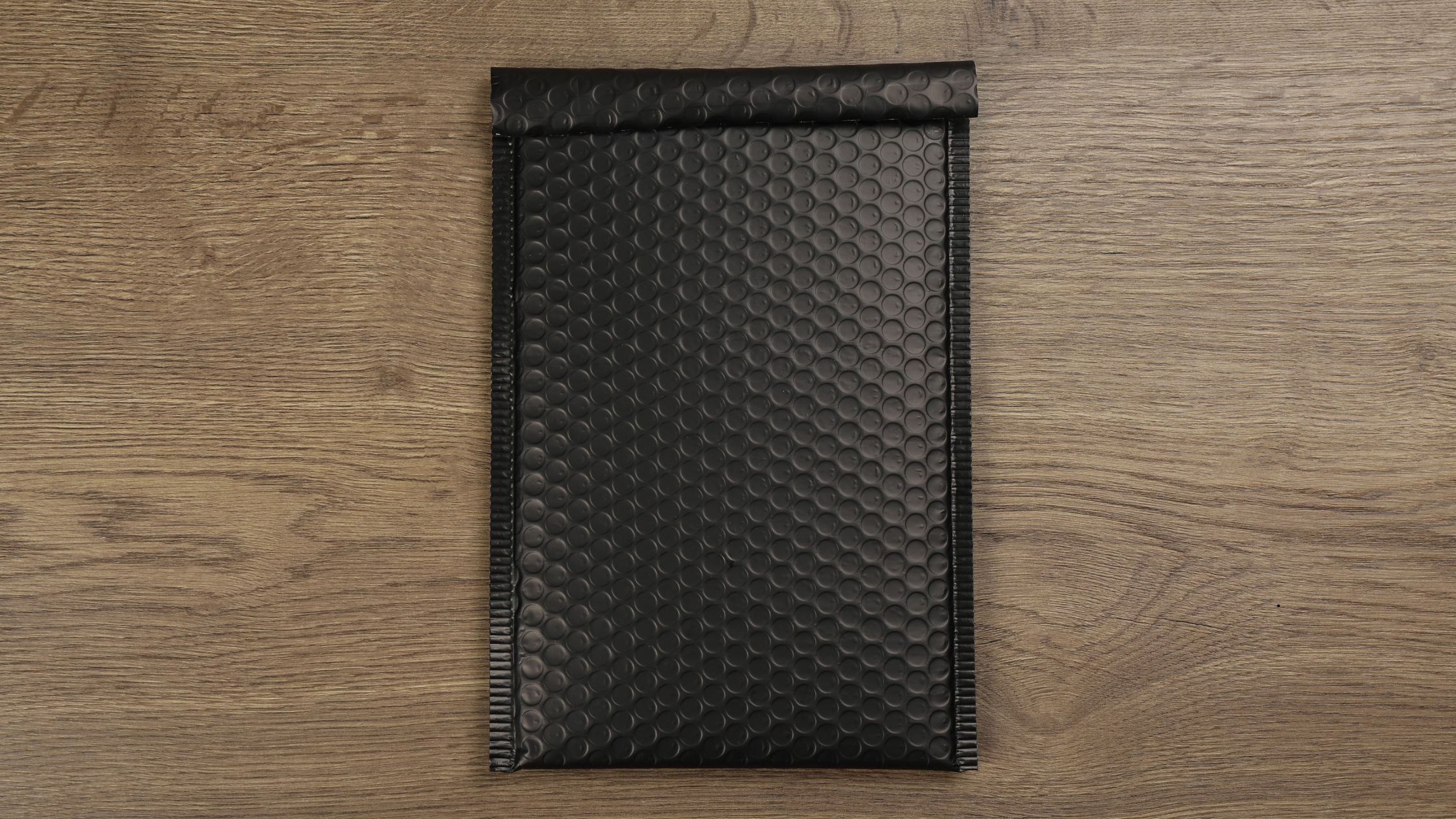
Look, I’ll be honest — when I started selling handmade jewelry on Etsy five years ago, packaging was the last thing on my mind. I was focused on perfecting clasps and finishes, not worrying about what kind of bag my earrings shipped in. I used leftover Amazon mailers for a while. Recycled grocery bags once. Not my proudest moment.
Then the messages started trickling in. “Package arrived torn.” “Earrings were wet.” One customer sent a photo of a ripped-open bag with her necklace tangled in the adhesive. That’s when I realized I needed to actually understand poly mailers — what makes them hold up, what makes them fail, and how to pick the right ones without blowing my margins on fancy packaging I didn’t need.
The Boxery has become my go-to resource for figuring this stuff out, and this guide is basically everything I wish someone had told me before I learned the hard way. We’re going to walk through durability features that actually matter, materials you should understand before buying, sizing that saves you money on postage, and even custom printing for when you’re ready to level up your brand. Think of it as a decision roadmap — practical, no fluff, built for people who’d rather be making things than researching shipping supplies.
We’ll also get into the cost side of things. Because the right mailers don’t just protect your products — they cut waste, reduce returns, and help you stop overpaying when you buy in volume or catch a good sale. Plain options, custom options, eco-friendly picks… It’s all here.
Key Takeaways
- Durability matters: look for tear- and moisture-resistant film and secure closures.
- Save money: the right choice reduces replacements and lowers long-term costs on sale buys.
- Size and material: match packaging to product for better protection and lower shipping fees.
- Brand impact: Custom printing enhances unboxing and repeat purchases.
- Trusted guide: The Boxery helps you shop smarter and choose the best mailer for your operation.
Why Durable Shipping Bags Matter for E-Commerce Orders
A tough shipping bag is the difference between a five-star review and a refund request. I know that sounds dramatic, but think about it — your customer doesn’t see your workshop, your process, or the three hours you spent getting that glaze right. They see a bag on their doorstep. And if that bag is torn, soggy, or barely holding together? That’s their first impression of your brand. Gone. Just like that.
For small businesses, especially, every damaged delivery chips away at something you can’t easily rebuild: trust. Returns cost you the product, the shipping both directions, and sometimes the customer permanently. I tracked my damage-related losses for one quarter early on, and the number genuinely surprised me.
How poly mailers protect products during transit
A well-made mailer does a few things at once without you having to think about it. The film itself acts like lightweight armor — flexible enough to move through sorting machines and delivery trucks without catching, but strong enough to resist punctures from corners and edges pressing against it. Secure adhesive closures keep everything sealed, even when packages get stacked, tossed, and sat on (because they will).
Moisture resistance is the piece I underestimated early on. A good bag shrugs off rain, wet sorting belts, and condensation. You’d be amazed at how many packages sit on damp porches or in humid delivery vans. For soft goods like clothing, scarves, or fabric accessories, that water barrier is basically non-negotiable. Fewer “item damaged” claims, fewer replacement shipments, and fewer conversations you’d rather not have with disappointed buyers.
When lightweight mailers reduce shipping costs for your business
Here’s where it gets interesting for your bottom line. Lightweight bags weigh almost nothing compared to boxes, which means your weight-based postage drops. For someone shipping fifty or a hundred orders a week, those savings compound fast. I switched from small boxes to mailers for most of my jewelry line, and my monthly shipping bill dropped by roughly 20%. That’s real money.
- Profit protection: fewer torn packages means fewer customer service headaches and lower replacement costs.
- Decision lens: if your product compresses safely, a sturdy bag often balances protection and efficiency better than a rigid box.
- First impression: a clean, intact delivery bag signals care before the customer even opens it.
The Boxery helps you match the right bag to your products so you can ship smarter and actually keep customers coming back. That matching process — product type to packaging type — is honestly half the battle.
Poly Mailers Durability Checklist: Tear Resistance, Water Resistance, and Build Quality
When your shipments face wet steps, busy sorting hubs, and delivery drivers in a rush, you want bags that don’t quit halfway through the route. I’ve put together a practical checklist you can reference when browsing options at The Boxery. Print it out if you want. I literally taped mine to my packing station wall.
- Thickness/feel: A heavier film usually means better tear resistance and puncture protection. Pick it up and flex it — you can feel the difference.
- Tear resistance: flex corners, check for thin spots, and try to nick an edge. If it tears easily with your fingers, it’ll tear in transit.
- Water resistance: true waterproof bags handle rain, wet sorting surfaces, and condensation without letting moisture seep through.
- Seams & build: look for fused seams, not glued panels. Fused holds up under stress. Glued can peel.
- Closure strength: a reliable self-adhesive strip reduces mid-route failures and eliminates the need for extra tape.
When you’re evaluating plastic mailers from any supplier, run through this list before committing to a bulk order. Five minutes of testing saves you from weeks of headaches.
When to choose heavy-duty
Pick heavy-duty construction for heavier items, anything with sharp edges wrapped in soft material, or a high-volume store that needs dead-reliable performance across hundreds of shipments. I started upgrading to tear-resistant mailers for my chunkier bracelet sets, and the damage complaints basically vanished overnight.
If you’re shipping mixed bundles — say, a candle with a pair of earrings — heavier film and stronger seals give you peace of mind that the package won’t split under uneven weight distribution.
Privacy and match to needs
Opaque bags protect customer privacy and deter porch theft. Nobody can see what’s inside, which matters more than people realize — especially for gift purchases and personal items. For everyday apparel and accessories, standard waterproof film handles the job. For heavier bundles or multi-item orders, move up to heavy-duty film and stronger seals. Simple rule: if the bag strains when you seal it, you need the next size or weight class up.
Material Matters: Choosing the Right Poly for Your Packaging Needs
I’ll admit, I didn’t think about film material for a long time. A bag was a bag. Then I ordered a cheap batch that crinkled like tissue paper and tore if you looked at it wrong. Turns out, material choice changes how well your orders arrive — and how often you deal with returns. Here’s the breakdown so you can pick confidently at The Boxery.
Common materials and how they perform
Polyethylene: This is the everyday workhorse. Lightweight, flexible, tough. Most reliable shipping bags use some form of polyethylene because it balances tear resistance with cost-effectiveness. Polyethylene mailers are what I recommend to anyone just starting out — solid performance without overthinking it.
Polystyrene: Stiffer and less common in flexible packaging. You’ll encounter it more in protective inserts or rigid components rather than full bags. Not really relevant for most soft-goods sellers, but worth knowing exists.
Polylactic acid (PLA): A renewable-source film used in compostable options. Looks great on paper — literally, the eco marketing writes itself. But real-world performance and actual disposal depend on whether your customers have access to commercial composting facilities. Most don’t. So verify before committing to a full run.
Low-density polypropylene (LDPP): Often labeled recyclable, but “recyclable” is doing a lot of heavy lifting in that sentence. In some communities, it means curbside pickup. In others, it means a special drop-off location twenty minutes away. Check product details carefully and be honest with your customers about what they can actually do with the packaging.
My approach? Prioritize durability for your core items first. Get the protection right. Then layer in sustainability goals once you’ve nailed the basics. If your store ships clothing or accessories, lean toward strong, lightweight film. If you need a genuine eco angle, verify local recycling or composting paths before building your brand story around it.
The Boxery helps you compare materials side-by-side so you pick the right balance of protection and environmental responsibility — without guessing or falling for vague claims.
Eco-Friendly Options for a More Sustainable Shipping Process
I care about this stuff. Maybe you do too. Choosing greener shipping options helps your store reduce its environmental footprint without tanking delivery performance. The Boxery and partners like ProSupply Global note that biodegradable and compostable choices can come from renewable sources such as polylactic acid — and that’s genuinely promising.
But here’s where I get a little picky. “Eco-friendly” gets thrown around a lot, and not always honestly.
Biodegradable and compostable options for modern brands
Eco-friendly often means biodegradable, compostable, or recyclable — three different things that get lumped together way too casually. You owe it to your customers (and yourself) to match claims to your actual disposal reality. If the bag needs industrial composting and your buyers live in apartments without compost access, that label isn’t doing what you think it’s doing.
- Durability first: look for options that keep products dry and intact during transit. Eco packaging that fails in the rain isn’t saving anything.
- Honest labeling: note whether items need commercial composting or special drop-off recycling. Transparency builds trust.
- Sale-friendly picks: eco options frequently show up during promotional sales, so your values and budget can coexist without compromise.
How eco choices shape perception and reviews
When packaging arrives intact, and the sustainability message on your packing slip is clear and genuine, customers respond positively. ProSupply Global data and The Boxery’s experience show that strong product performance drives trust — reviews average 4.7 out of 5 across 4,619 ratings, with 93% saying they would reorder. That’s not just packaging; that’s reliability people talk about.
Start small. Test a limited run, verify fit and seal strength with your actual products, then scale once you’re confident. That process protects your products and strengthens your brand voice in reviews and unboxing moments. Rushing into a massive eco order before testing is how you end up with a garage full of bags that don’t actually work.
Picking the Best Size and Fit for Your Products
A correctly sized package protects your product and improves the unboxing moment. This one sounds obvious, but I’ve gotten it wrong more times than I’d like to admit. Start by measuring your most common items folded or arranged the same way you’ll actually ship them. Add a small buffer for padding and seams — enough to protect, not so much that everything rattles around inside.
Popular sizes and what they suit
- 6×9: small accessories, single jewelry pieces, sticker packs, and tiny items.
- 10×13: tees, light tops, slim soft goods, and small craft items.
- 12×15: folded shirts, scarves, small bundles, and medium accessories.
- 18×18: hoodies, sweatshirts, and multi-item packs.
- 19×24: larger blankets, bulk orders, oversized apparel, or bigger craft pieces.
I keep three sizes on hand at all times: 6×9 for single pairs of earrings, 10×13 for necklace sets, and 12×15 for bundled orders. Covers about 90% of what I ship.
Apparel tips and fit rules
Fold to fit. Fold tees and sweaters so they slide in flat without bunching. For multi-item bundles, stack gently to avoid straining seams. This protects both the fabric and the bag’s closure. A bag that’s fighting to stay shut is a bag that’s going to pop open in a sorting facility at 2 AM.
When size choices hurt — and when custom helps
Oversizing wastes material, raises dimensional weight charges, and frankly looks sloppy. Your customer opens a massive bag and finds one tiny item swimming around inside — not exactly the curated experience you’re going for. Undersizing stresses seals and raises tear risk, which is worse.
“Measure more than one item. Use the most common size as your baseline and build from there.”
The Boxery recommends custom sizes for subscription kits, odd-shaped goods, or situations where a tailored fit reduces filler needs and shipping costs. If you’re shipping the same product hundreds of times, custom sizing pays for itself faster than you’d expect.
Matching Poly Mailers to What You Sell
Your product type should drive packaging decisions — not the other way around. I made this mistake early. I bought one size, one type, and tried to make everything fit. Spoiler: it didn’t work. Start by grouping what you sell into soft goods, small accessories, and fragile items. That simple sorting step cuts mistakes and saves money immediately.
Best mailers for clothing, accessories, and other soft goods
For tees, leggings, scarves, and similar items, lightweight shipping bags work beautifully. They compress safely and lower postage costs while keeping items clean and private during transit. If you’re unsure whether a standard shipping bag or a poly mailer envelope with padding is the better call, consider the fragility of what’s inside. Soft goods that tolerate light compression do great in standard bags. Anything with hard edges or delicate surfaces deserves cushioning.
When you should switch to a box or protective packaging for fragile products
Watch for hard edges — buckles, boxed cosmetics, hardware components, glass, or ceramics. Those need extra protection or a rigid package to prevent punctures and dents. I learned this while selling ceramic pendants. Three broken in one week, before I switched those orders to small boxes with foam inserts.
- Use mailers for soft, non-fragile goods that tolerate light compression without damage.
- Choose a box when the product is fragile, bulky, or needs a structured presentation and void fill.
- Over-bag for weather by slipping a shipping bag over boxed items for rain protection on the porch.
| Product Type | Recommended Packaging | Why | Customer Outcome |
| T-shirts, knitwear | Lightweight poly mailers | Compresses without damage; minimal weight | Lower shipping cost; neat arrival |
| Jewelry, small accessories | Bubble pouch inside mailer | Protects hard edges and prevents tangles | Fewer returns; polished unboxing |
| Fragile electronics or glass | Kraft box with void fill | Rigid protection against crushing | Fewer dents/scuffs; happier customers |
| Mixed bundles | Custom box or reinforced mailer | Prevents shifting and seam stress | Consistent delivery; fewer replacements |
“Match packaging to the product, and you’ll cut damage claims while improving the unboxing moment. Every single time.”
The Boxery helps you map these choices so every order ships with the right balance of protection, cost, and presentation. No guesswork required.
Custom Poly Mailers That Strengthen Your Brand
Branded shipping wraps turn a routine delivery into a small, memorable moment for customers. The Boxery and partners, like ProSupply Global position designer-printed packaging as a genuine statement piece — eye-catching designs that customers notice, photograph, and share on social media without you even asking them to.
I resisted custom packaging for a long time because I thought it was only for “real” brands. Turns out, even a simple logo on a mailer changes how people perceive your shop. It goes from “random Etsy purchase” to “oh, this feels intentional.”
Why printed packaging matters
Recognition beats repetition. Custom packaging makes your orders instantly recognizable on the porch, in the mailroom, or sitting on someone’s kitchen counter. That early impression raises perceived value and builds recall — so when they want to reorder, they remember your name before they remember to search for the product.
Choose color, design, and variety with purpose
Align key brand elements — logo placement, primary color, tagline — so each package reads as yours at a glance. Colored poly mailers from The Boxery’s LUX line let you coordinate packaging to your brand palette without custom printing. Black for sleek modern brands. Pink for playful boutiques. Purple for that luxury feel. Sometimes color alone does the heavy lifting.
Rotate limited designs for holidays or seasonal campaigns to keep things fresh without losing brand consistency. Your Valentine’s Day mailer can look different from your everyday one — just keep the logo and color family recognizable.
- Design impact: consistent logo placement improves brand recall across channels.
- Color strategy: use one primary color and one accent for visual clarity and recognition.
- When to invest: choose custom printed mailers if you ship weekly volumes, run active social campaigns, or sell gifting products where presentation drives repurchase.
| Need | Recommendation | Outcome |
| High weekly volume | Full custom mailer run | Lower per-unit cost; stronger brand recall |
| Seasonal campaigns | Limited-run designs | Freshness without brand drift |
| Gift-focused items | Premium printed mailers | Higher perceived value; better reviews |
“Designer-printed poly packaging creates a moment at the doorstep and a memory that keeps customers coming back.”
Printing and Design Options to Get a Professional Look
Your package art is the first handshake with a customer — make it crisp and confident. I spent way too long overthinking my first design before realizing that simple and bold beats complicated every time. At The Boxery, you can choose printing and layout options that read clearly from the curb and feel premium when your customer picks up the package.
Full-color and full-bleed explained
Full-color means unlimited ink coverage across the artwork, so photographs, gradients, and detailed illustrations pop with vibrancy. Full-bleed is edge-to-edge printing — graphics run cleanly to the package edges with no white borders or awkward margins. Together, they give you a polished, professional package that looks like it came from a major brand. Even if you’re running your business from a spare bedroom.
Wrap-around vs. front-and-back
Wrap-around printing covers the entire perimeter of the mailer for bold, continuous visuals. Think dramatic patterns, repeating brand motifs, or striking color fields that make the whole bag feel designed. It’s a showstopper.
Front-and-back gives you focused messaging instead. Logo and call-to-action on the front, care instructions or promo info on the back. Choose whichever approach balances visual impact with clarity for your particular brand. I went front-and-back because I wanted my logo big and clean on one side and a “thank you” message with my social handles on the other.
Artwork file guidance
Send vector PDFs or EPS files for logos and type — these scale to any size without losing crispness. For photographs or raster art, supply high-resolution PNG or JPG files at final print dimensions to avoid blur, pixelation, and color banding.
Why this matters: better files mean fewer proof rounds, faster approvals, and consistent color across production runs. I learned the hard way that a low-res logo looks fine on screen and terrible on a bag.
“Simple, bold art and readable logos reduce surprises and make every order look intentional.”
| Option | Best Use | File Type |
| Full-bleed wrap | Patterns, brand color fields | PDF/EPS or high-res PNG |
| Front & back | Logo focus + messaging | Vector for logos; JPG for photos |
| Partial spot print | Minimalist branding, lower cost | PDF/EPS |
Design tips: use bold shapes, high-contrast palettes, and clear type for fast recognition on porches and in mailrooms. Keep decorations away from seals and barcodes to avoid readability issues during shipping. And always — always — test a physical sample so you see how colors and film finish actually behave in real life before committing to a large order.
The Boxery recommends simple, well-prepped artwork. It lowers print errors and gives you a reliable, on-brand result every time you reorder custom packaging for your shop.
Ordering Details: Minimums, Samples, Proofs, and Turnaround Times
A smooth ordering process starts with realistic minimums and hands-on samples so you can approve with confidence. I’ve rushed orders before. Skipped the sample step. Regretted it. Don’t be me.
Minimum runs and why they exist
The Boxery works with suppliers whose minimums vary — from small runs of around 10 pieces to larger MOQs of 50 or more. These thresholds reflect setup costs, tooling, and logistics. They’re not arbitrary hoops to jump through.
Confirm the MOQ for your chosen product before placing an order. That single step avoids surprises and helps you plan inventory and cash flow without panic.
Proofs: catch errors before production
Free proofs are standard practice. Use them. Check alignment, color accuracy, and logo placement against your brand guidelines. Approving a proof carefully prevents costly reruns and wasted material. I once approved a proof without zooming in on the logo and missed that the tagline was slightly cut off. Learned that lesson on 500 bags.
Samples: evaluate real performance
Request samples to test thickness, seal strength, and print quality with your actual products inside them — not theoretically, but physically. Samples are often free, though delivery costs may apply depending on the supplier.
Tip: Try your most common SKU in the sample bag so you can judge fit, closure tension, and how the pack actually handles on your packing station. An earring card fits differently from a folded scarf.
Turnaround and shipping expectations
Fast production is possible — some partners offer a 4-day turnaround with free shipping for U.S. orders. Self-adhesive strips speed up packing on your end and help you fulfill orders quickly without fumbling with tape guns.
“Strong reviews often praise quick fixes and replacement batches when printing needs adjustment. That responsiveness matters.”
Those reviews are a trust signal. Pick partners who stand behind their work so your business keeps moving without unexpected delays eating into your fulfillment schedule.
Prices, Costs, and Bulk Value for Poly Mailers on Sale
Smart buying balances headline discounts with the real cost of keeping orders intact. Here’s what I mean: a low sale price can hide thinner film, weaker seals, or inconsistent sizing that causes more problems than it solves. You want value that holds up in real packing and real shipping — not just value that looks good in a cart.
How bulk orders lower per-mailer costs for growing businesses
Buying in volume reduces the per-unit price and stabilizes your supply so you’re not scrambling every other week. ProSupply Global notes competitive prices for bulk orders, and The Boxery often pairs those deals with samples and proofs so you know exactly what you’ll receive before committing serious money.
For a small seller doing fifty orders a week, even a few cents saved per mailer adds up to hundreds of dollars over a year. That’s money that can go toward better product photos, marketing, or finally upgrading your workspace.
What drives pricing: material, size, printing coverage, and quantity
Key price drivers include film type, thickness, bag size, and how much printing coverage you request. Full-color, full-bleed artwork raises costs more than spot prints, and thicker builds cost more upfront but lower failure risk downstream. It’s a balancing act.
- Evaluate beyond the sticker: check tear tests, seal strength, and consistency across bags in the same batch.
- Buy sales smartly: only stock up on a size and build you’ve already tested and trust.
- Scale safely: test first, approve a proof, then place a larger order to lock in lower costs with confidence.
“Fewer failures and fewer reships almost always outweigh small per-unit savings on cheap runs. Almost always.”
| Factor | How it Affects Price | Why it Matters |
| Material/film | Higher-grade films cost more | Improves tear and water resistance |
| Size | Larger sizes raise material use | Match the size to item to avoid waste |
| Thickness | Heavier gauges increase cost | Reduces punctures and returns |
| Printing coverage | Full-color/bleed is the highest cost | Brand impact vs. budget trade-off |
The Boxery recommends testing a few dozen before committing to thousands. That way, sale prices become real savings — without surprises in returns, damaged goods, or unhappy customers flooding your inbox.
What Reviews Reveal About Real-World Performance
Customer feedback reveals how packaging actually performs on real delivery routes — not just in controlled lab specs or product listings. At The Boxery, we study patterns across thousands of ratings to separate one-off issues from recurring trouble spots that signal real problems. Reviews give you clues about thickness, seam strength, and closure reliability that you can verify with samples before you buy.
Quality signals to spot in reviews
Read like a buyer, not like a browser. Look for repeated words: thick, strong, tear-resistant, held up great. Those phrases point to consistent film and seam performance across multiple shipments and seasons — not just one lucky batch.
Also pay attention to comments about print accuracy. A crisp, well-aligned design matters for brand trust. Sloppy printing can erode perceived quality even when the bags themselves hold up perfectly during transit. Both matter.
Why repeat-customer feedback matters
Repeat buyers are the best test group — period. If 93% say they “would order again” and reviews average 4.7 out of 5 across 4,619 ratings, that signals reliability over many orders, many seasons, and many different product types. One good review could be luck. Thousands of them is a pattern.
“Super thick and strong,” “arrived fast,” and “replaced quickly” — those are the review lines that actually matter when choosing a supplier.
- Match reviews to your specific items — what works for apparel may not hold up for bundled, heavier shipments.
- Use review phrases as a checklist when ordering samples or requesting proofs.
We use these patterns at The Boxery to recommend the most reliable options for your customers and your products. Real feedback from real shippers beats marketing copy every time.
Conclusion
Make packing simple: pick one reliable option for most of your SKUs, then upgrade where specific products need it. Don’t overcomplicate this.
Confirm what you ship most frequently, zero in on the durability features that matter for those products, and choose the right size. Use a box when fragile protection is genuinely required, and go lighter for soft goods that handle compression without complaint. That’s the framework. It’s not complicated once you actually commit to it.
Next steps: narrow to one or two mailer options, test with a small batch of real orders, then stock up during a sale once you’re confident in the product. If you’re ready to stand out in a crowded marketplace, move into custom-printed mailers with consistent design elements that reinforce your brand with every delivery.
Explore The Boxery to compare options side by side. Choose durable shipping bags that protect products, speed up fulfillment, and support your growth — whether you’re shipping ten orders a week or ten thousand.
FAQ
How do I choose durable poly mailers for my e-commerce store?
Start by matching mailer strength and size to the specific goods you sell. Look for tear resistance, water resistance, and secure self-adhesive closures. For apparel and soft goods, choose lightweight, flexible bags that protect without adding unnecessary weight. For heavier or high-volume items, pick heavy-duty construction and consider reinforcement features — or switch to a box entirely when items are fragile or have hard edges that could puncture film.
Why do durable shipping bags matter for e-commerce orders?
Durable shipping bags reduce returns, protect your brand reputation, and lower the cost of replacements and reshipping. They keep products dry and intact through rough handling, which directly improves customer satisfaction and drives more positive reviews. Strong packaging also cuts the chance of theft or tampering during transit by keeping contents concealed and secure.
How do shipping bags protect products during transit?
Quality bags use thick film and sealed edges to resist punctures and tears throughout the delivery route. Water-resistant materials prevent moisture damage from rain, condensation, and wet sorting surfaces, while opaque layers provide privacy and deter theft. Self-adhesive closures and secure seals keep contents from shifting or falling out — even when packages get stacked and tossed.
When do lightweight mailers reduce shipping costs?
Lightweight mailers cut dimensional weight and postage charges on soft goods like clothing and accessories, reducing your overall shipping spend. Use them when items don’t need rigid protection — this keeps carrier rates low while still offering solid basic protection for the contents.
What should I check on a durability checklist?
Inspect tear resistance, puncture resistance, water resistance, seal strength, and overall build quality before committing to a purchase. Test samples under real-world conditions — open, reseal, and drop tests reveal weak points that product descriptions won’t mention. Also, confirm opacity and privacy features for customer deliveries.
How waterproof and tear-resistant are everyday shipping bags?
Many mailers offer strong waterproofing and good tear resistance for typical retail shipping scenarios. Check material thickness (measured in microns or GSM) and look for products that specify reinforced seams or anti-tear technology — especially if you’re shipping heavier items or bundles that put extra stress on the film.
What options exist for heavier items and high-volume stores?
Choose heavy-duty options with thicker film or multi-layer construction for added strength. Reinforced gussets or bubble-lined versions add meaningful protection for denser shipments. Buying in bulk typically lowers per-unit cost for high-volume operations and ensures consistency across large production runs.
How reliable are self-adhesive closures?
Well-designed self-adhesive closures provide tamper-evident seals and strong holding power under normal shipping conditions. Verify the adhesive type and test seals under different temperature conditions to ensure they won’t fail during summer heat or winter cold transit.
How important is opacity and privacy for deliveries?
High opacity protects sensitive items and helps prevent theft by hiding contents from view. If privacy matters to your customers — subscription boxes, personal apparel, gift items — choose fully opaque films rather than translucent options that reveal what’s inside.
What materials are commonly used in mailers?
Common films include polyethylene and polypropylene for standard durability. Some specialty options use polylactic acid (PLA) blends for compostable claims. Each material balances cost, durability, and environmental properties differently — so choose based on your specific protection needs and sustainability goals.
What should I know about low-density polypropylene and recyclability claims?
Low-density polypropylene is lightweight and flexible, offering solid tear resistance for everyday shipping. Recyclability depends entirely on local programs — look for clear recycling codes and vendor transparency. Watch out for greenwashing and request documentation for any recyclability or compostability claims before marketing them to your customers.
Are biodegradable or compostable mailers a good eco choice?
They can lower environmental impact if processed correctly — but they often require industrial composting facilities and separate waste streams that most consumers don’t have access to. For many brands, post-consumer recycled-content mailers or those with clear, practical recycling paths offer more tangible benefits to customers in their everyday lives.
How do eco choices affect customer perception and reviews?
Sustainable packaging often improves brand perception and can boost positive reviews, especially with eco-conscious shoppers who actively seek out responsible businesses. Clear labeling about disposal and sustainability helps customers appreciate your genuine efforts and reduces confusion about what they should do with the packaging after unboxing.
What sizes are popular for online stores?
Common sizes include 6×9, 10×13, 12×15, 18×18, and 19×24 inches. These cover the vast majority of apparel, accessories, and small goods shipped by online stores. Keep a few standard sizes on hand at all times to reduce wasted space and control shipping costs.
Any sizing tips for apparel and soft goods?
Choose a slightly larger bag than the folded garment to allow easy packing without stretching seams or compromising printed designs. For bulkier garments like hoodies or heavy knits, use a larger size or consider gusseted bags to prevent compression and wrinkling during transit.
How do I choose a size that prevents wasted space and material?
Measure your typical product dimensions, add room for comfortable packing and handling, and select the smallest bag that fits without strain. This approach minimizes filler use and reduces carrier charges tied to dimensional weight — savings that add up quickly across hundreds of shipments.
When are custom sizes worth it?
Custom sizes pay off for unique or consistently shaped items, subscription services, or situations where standard sizes consistently lead to wasted space and excess filler. Consider custom runs when standard sizing creates repeated inefficiencies that cost you more per shipment than the custom order premium.
Which mailers work best for clothing, accessories, and other soft goods?
Lightweight, tear-resistant bags with smooth interiors work well for apparel and most accessories. For delicate prints or premium garments, choose thicker film or add tissue paper to prevent rubbing and surface marks. For small accessories with hard edges, padded or bubble-lined versions add meaningful protection.
When should I switch to a box or extra protective packaging?
Use a box or rigid protection for fragile, heavy, or high-value items that can’t tolerate any compression. If items risk crushing, breaking, or require a structured presentation with internal cushioning, a box will always perform better than a flexible bag — and your customers will notice the difference.
How can custom-printed mailers strengthen my brand?
Designer-printed packaging creates a memorable unboxing experience that reinforces brand identity with every single delivery. Consistent color, logo placement, and messaging turn each shipment into a marketing touchpoint that can boost repeat purchases and encourage social media sharing.
How do I choose colors and designs that fit my store aesthetic?
Pick a limited color palette and simple, bold graphics for maximum visual impact. Consider how the bag looks in customer photos and during the return process — high-contrast logos and consistent typography help brand recognition across social channels and repeat orders.
What printing and design options deliver a professional look?
Full-color printing and full-bleed coverage offer the boldest branding options available. Choose wrap-around or front-and-back designs based on your logo placement needs and messaging strategy. High-resolution artwork ensures crisp, professional results that reflect well on your brand.
What file types are best for artwork submission?
Submit vector formats like PDF or EPS for sharp logos and scalable design elements. High-resolution raster files (300 DPI minimum) work for photographs, but vectors remain the safest and most reliable choice for printed text, line art, and logo marks.
What order minimums and lead times should I expect for custom mailers?
Minimums vary by supplier — small runs exist for testing, but larger orders usually deliver significantly better per-unit costs. Ask about sample availability, free proofs, and typical production lead times before committing. Fast-turn options are available but may carry premium fees for expedited U.S. shipping.
How do free proofs and samples help before production?
Free proofs let you verify colors, placement, and artwork fidelity before a full production run. Physical samples allow you to test thickness, seal strength, and print quality under real handling conditions with your actual products — reducing costly errors when you scale to bulk orders.
How can bulk orders lower per-mailer costs?
Buying larger quantities spreads setup and printing costs across more units, directly reducing the per-unit price. Negotiate tiered pricing with your supplier and factor in storage costs to ensure bulk savings are genuinely practical for your specific business size and cash flow.
What factors drive pricing for mailers?
Pricing depends on material type and thickness, bag size, printing coverage and complexity, customization level, and total order quantity. Specialty finishes, fast turnaround, and eco-certifications can add cost but may deliver meaningful marketing or sustainability value that justifies the premium.
What do reviews reveal about real-world performance?
Look for comments on thickness, durability during transit, seal reliability, and print accuracy across multiple reviewers. Consistent positive feedback on these specific topics indicates a reliable supplier and fewer issues for your customers down the line.
How does repeat-customer feedback validate long-term reliability?
Repeat buyers often comment on performance over time — consistent delivery quality and minimal damage reports show that the packaging holds up under normal, sustained operations. Use review trends and recurring praise to inform your future buying decisions with real data instead of assumptions.

Recent Comments